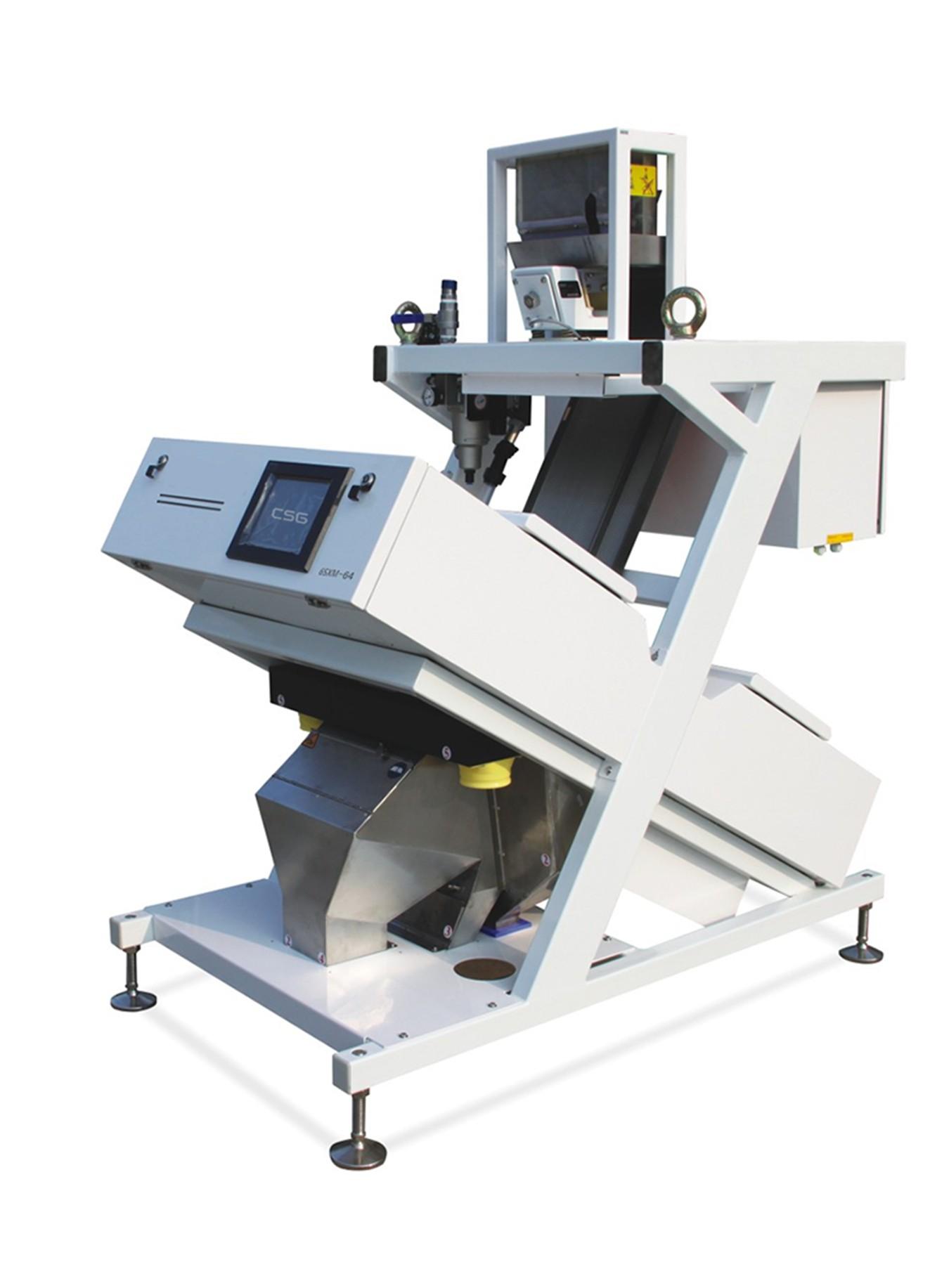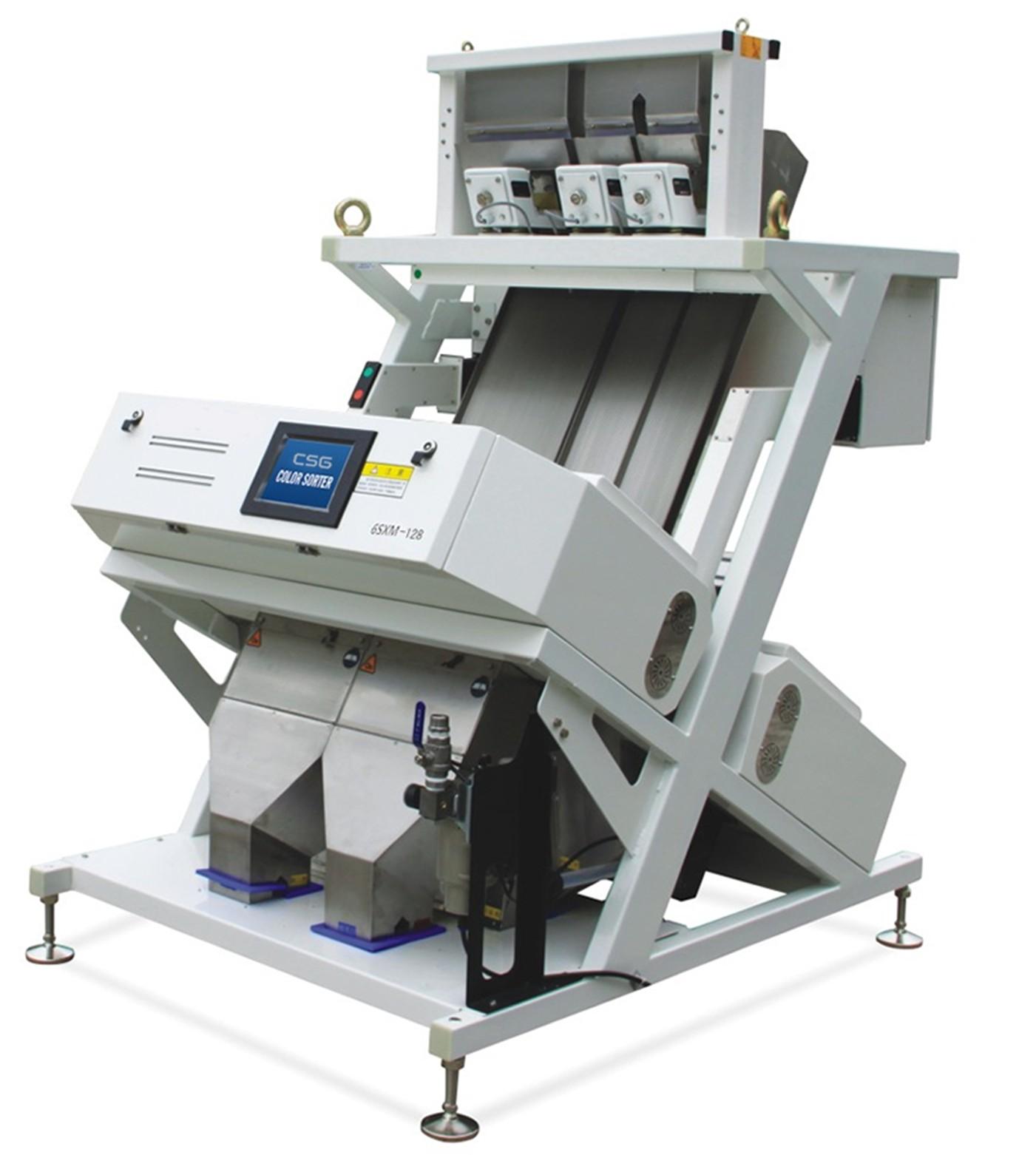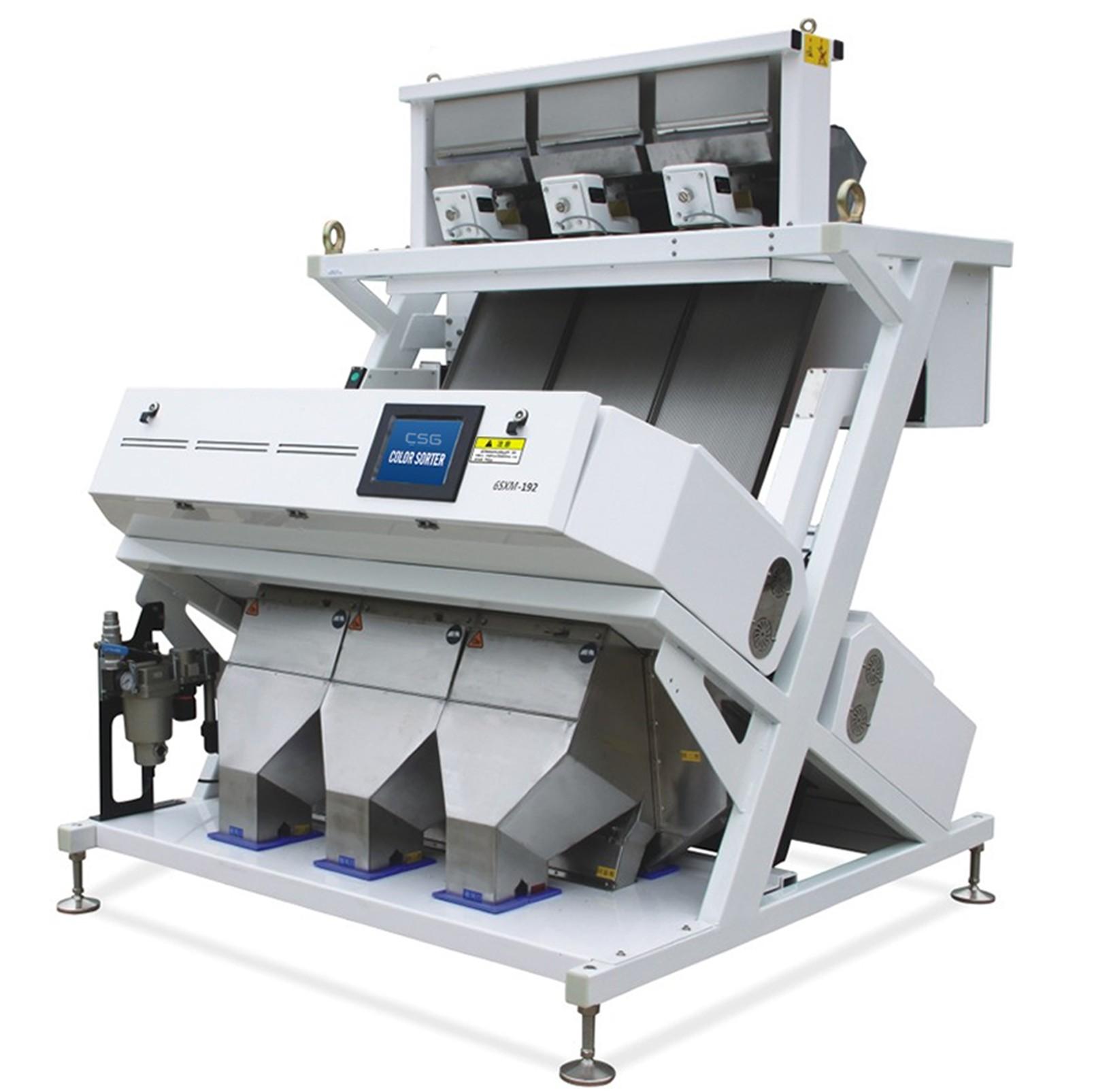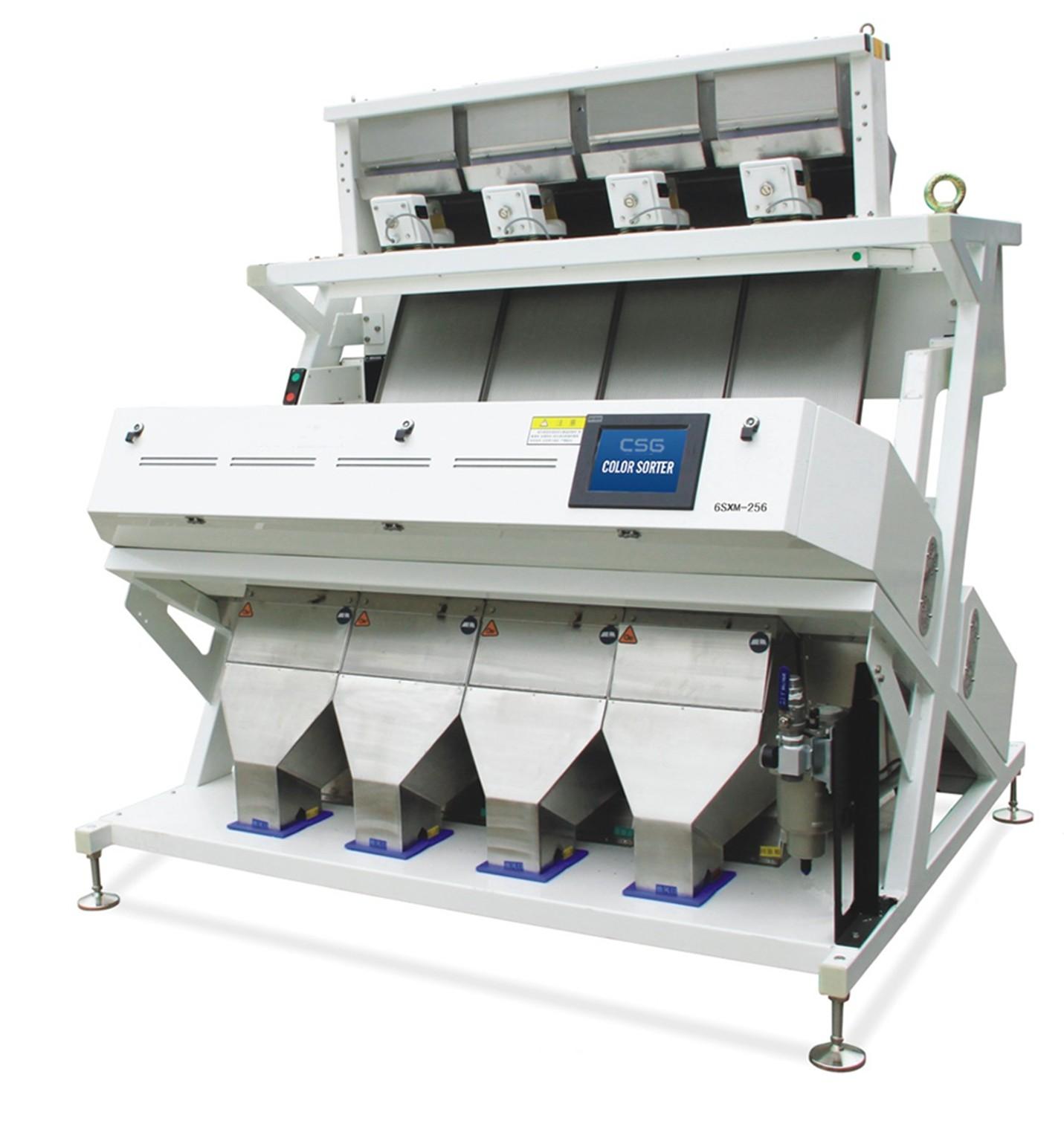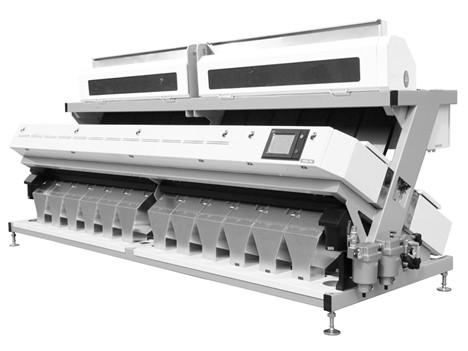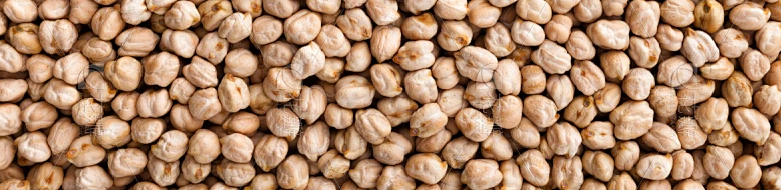
Chana Color Sorter Machine: Optimizing Quality and Efficiency in Chana Processing
Introduction to Chana Color Sorter Machine
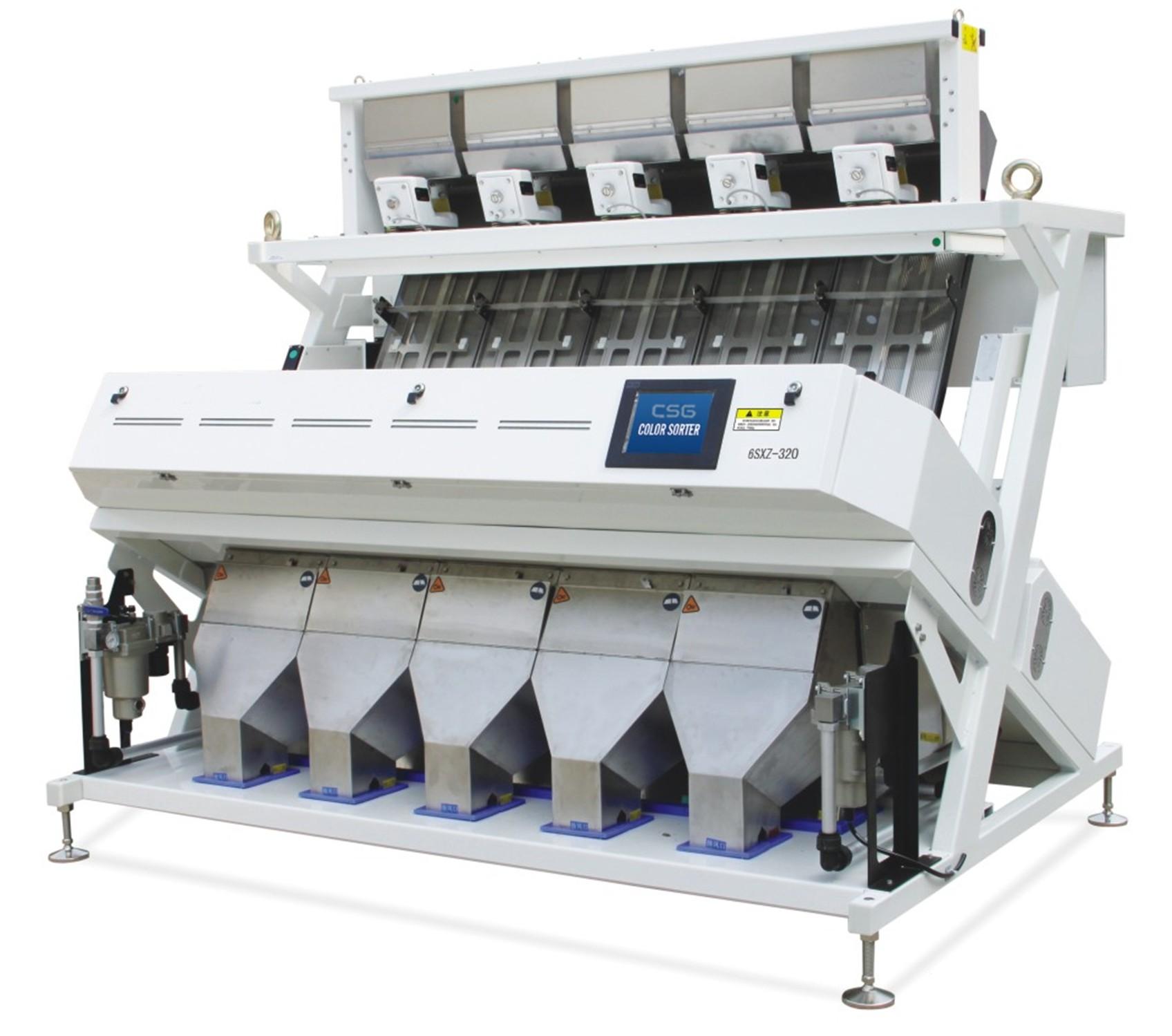
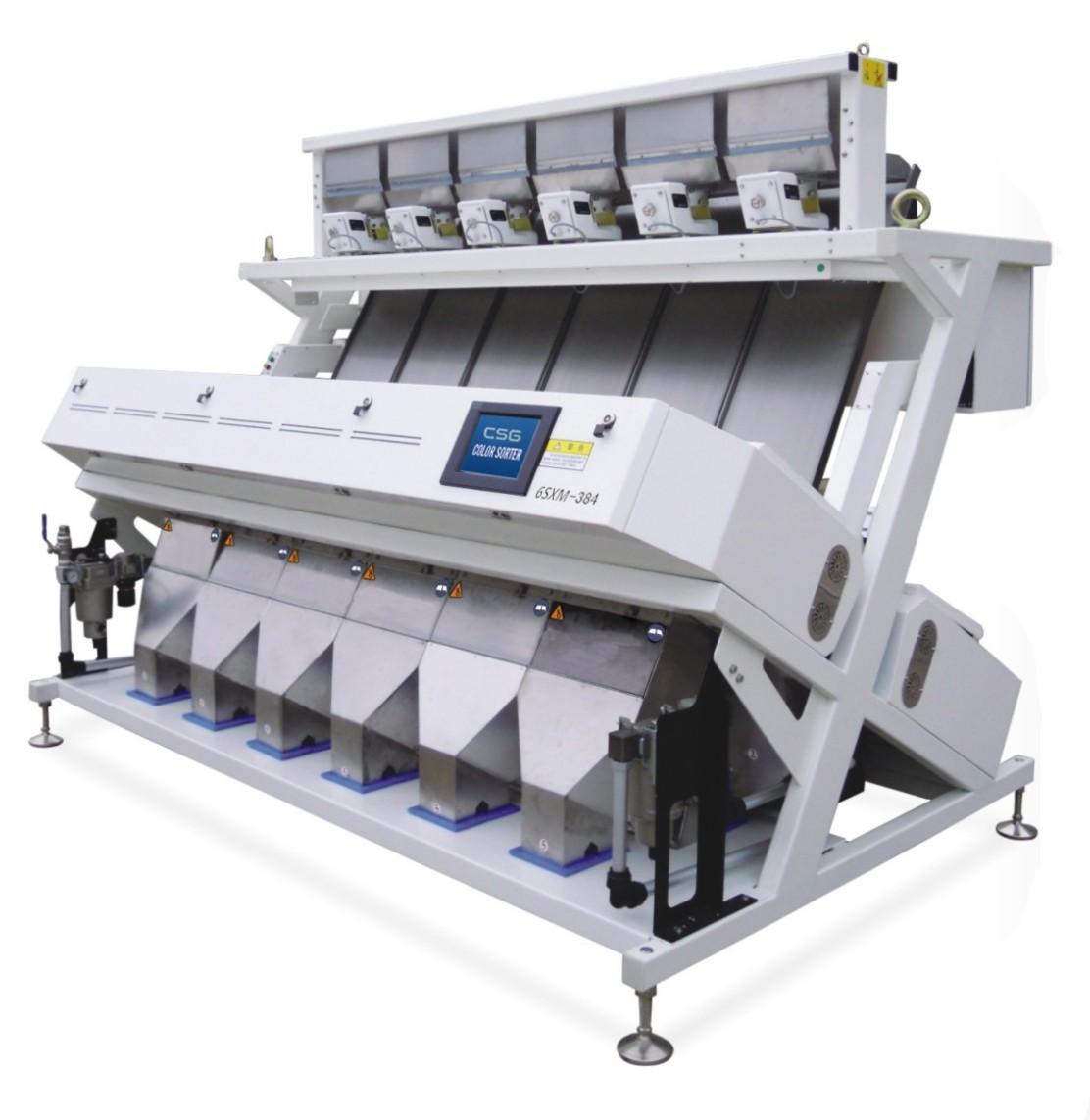
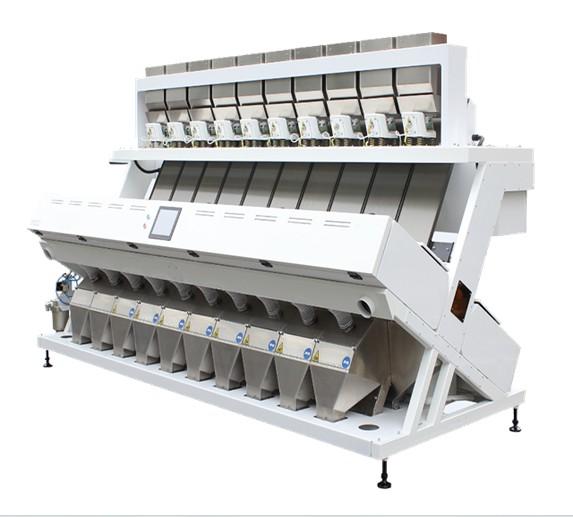
A chana color sorter machine is a state-of-the-art optical inspection system designed to enhance the quality and efficiency of chana (chickpea) processing. It utilizes advanced multispectral imaging technology combined with intelligent recognition algorithms to sort chana based on subtle color variations, effectively removing impurities, foreign seeds, stones, discolored beans, mold-affected grains, and defective chickpeas that compromise product quality and market value.
By incorporating a chana color sorter into the processing line, producers can significantly improve the overall quality of their final product while reducing operational waste and increasing throughput efficiency. The technology has become indispensable for processors seeking to meet the exacting visual quality standards of international export markets, domestic retail channels, and food manufacturing customers worldwide.
How Does It Work?
Chana color sorters employ high-resolution CCD or CMOS cameras and sophisticated image processing algorithms to detect subtle color variations in each bean at high production speeds. As the chana passes through the optical inspection zone in a controlled single-layer flow, multiple cameras capture detailed images of each individual bean from different viewing angles. The onboard processing system analyzes these images in real-time, comparing each bean against pre-configured acceptance criteria to identify discolored, damaged, mold-affected, or otherwise defective beans as well as foreign materials.
Once a defective bean or foreign particle is identified, the machine activates high-speed pneumatic ejection mechanisms to remove the unwanted material with millisecond precision. This targeted removal ensures only uniformly colored, high-quality beans proceed downstream while maintaining maximum throughput and minimizing the loss of acceptable product.
Chana Defect Detection by Product Type
| Chana Product Type | Common Defects & Foreign Materials | Min. Defect Size | Detection Rate | Recommended Sensor Setup | Key Sorting Challenge | Typical Throughput |
|---|---|---|---|---|---|---|
| 🟤 Whole Kabuli Chana | Discolored brown/black beans · Shriveled seeds · Insect-damaged beans · Mold spots · Foreign seeds · Stones · Soil clods · Weather-stained beans | ≥ 0.12 mm | ≥ 99.5% | RGB + NIR · Dual-side cameras · Multi-angle illumination | Large seed size requires wide field of view · Subtle color variation detection on cream surface · High-value premium market quality demands | 3-10 t/h |
| 🟤 Desi Chana (Brown) | Black seeds · Foreign pulses · Stones · Ergot · Mold-affected beans · Insect holes · Shriveled grains · Soil particles | ≥ 0.15 mm | ≥ 99.3% | RGB + NIR · Multi-spectral · Enhanced foreign material detection | Dark product internal defect detection · Foreign seed identification in dark beans · Soil clod vs. bean differentiation | 2-8 t/h |
| 🟡 Chana Dal (Split Chickpeas) | Dark specks · Hull fragments · Discolored pieces · Foreign pulses · Stones · Mold spots · Insect damage · Unsplit whole beans | ≥ 0.08 mm | ≥ 99.6% | RGB + NIR · High-sensitivity mode · Bright-field illumination | Split surface defect visibility · Hull fragment color similarity to dal · High-volume dal mill throughput requirements | 2-8 t/h |
| 🟢 Green Chana (Hara Chana) | Yellowed beans · Brown discoloration · Foreign seeds · Stones · Bleached spots · Insect holes · Weather damage · Soil | ≥ 0.12 mm | ≥ 99.4% | RGB + NIR · Multi-spectral · High-contrast green detection | Green color uniformity for premium markets · Yellowing detection sensitivity · Bleached vs. natural pale differentiation | 2-7 t/h |
Benefits of Using a Chana Color Sorter Machine
By eliminating defective chana and foreign matter, the sorter ensures a consistently superior product that meets strict market and export standards for color uniformity and purity.
Automation dramatically accelerates the sorting process, enabling higher hourly throughput and reducing reliance on slow, error-prone manual sorting labor.
Precise removal of defective beans maximizes yield and minimizes product loss, leading to direct cost savings and improved profitability across every processing season.
The removal of impurities, moldy beans, stones, and other contaminants significantly contributes to the hygiene and safety of the packaged chana products.
Chana Quality Grade Classification
| Grade | Designation | Max Defect Rate | Visual Quality Characteristics | Typical Market Application | Price Position | Industry Standards |
|---|---|---|---|---|---|---|
| A | Premium Export Grade | ≤ 0.5% | Uniform cream/characteristic color · Zero foreign seeds or grains · No stones or soil · No mold or insect damage · Large uniform caliber · Bright clean appearance | Premium retail packaging · International export · High-end food service · Canned chickpea manufacturing · Organic certification markets | Top Tier +25-40% | USDA No. 1 · EU Class I · Codex Stan 171 |
| B | Standard Commercial Grade | ≤ 2.0% | Generally uniform color · Minor variation acceptable · Trace foreign material within limit · Sound wholesome beans · Acceptable moisture content | Supermarket retail · Food service supply · Dal milling · Hummus manufacturing · Domestic wholesale | Standard Market Price | USDA No. 2 · BRC Food · IFS Food · National Standards |
| C | Processing / Feed Grade | ≤ 5.0% | Mixed color acceptable · Variable bean sizes · Foreign material must be removed · Higher defect tolerance · Acceptable for further processing | Chickpea flour (besan) milling · Protein extraction · Animal feed · Pet food ingredients · Industrial processing | Economy -15-25% | USDA Substandard · Feed Safety Standards |
Applications
Chana color sorter machines are integral across multiple stages of chana processing, from initial post-harvest cleaning through to final pre-packaging quality verification. The versatility of modern optical sorting platforms allows processors to handle multiple chana varieties and product forms with simple recipe changes.
They are essential in modern chana processing plants to ensure a uniform, high-quality output for both domestic consumption and international export markets. From small-scale organic producers to multinational pulse trading companies, optical sorting technology provides the consistent, verifiable quality assurance that modern chana supply chains demand.
Conclusion
The chana color sorter machine is a vital technological investment for the pulse processing industry, delivering measurable benefits in product quality, operational efficiency, waste reduction, and food safety. Adopting this advanced sorting solution allows chana processors to elevate their production standards, meet stringent quality regulations, and satisfy the evolving demands of global consumers and food manufacturers.
As international quality standards for pulses continue to tighten and consumer expectations for visual quality and purity increase, optical sorting technology will remain an essential competitive advantage for forward-thinking chana processing operations worldwide. From kabuli chana export to desi chana dal production, the chana color sorter machine ensures consistency, safety, and premium quality at every stage of processing.
Articles about Chana Color Sorter Machine
Application Skills of Chana Color Sorter Machine in Removing Moldy Particles from Chana
Learn professional application skills for using a chana color sorter machine to remove moldy particles effectively. This guide covers optical detection principles, parameter optimization, material...