Cucumber Color Sorter: Optimize the quality and efficiency of cucumber processing
Introduction to Cucumber Color Sorter
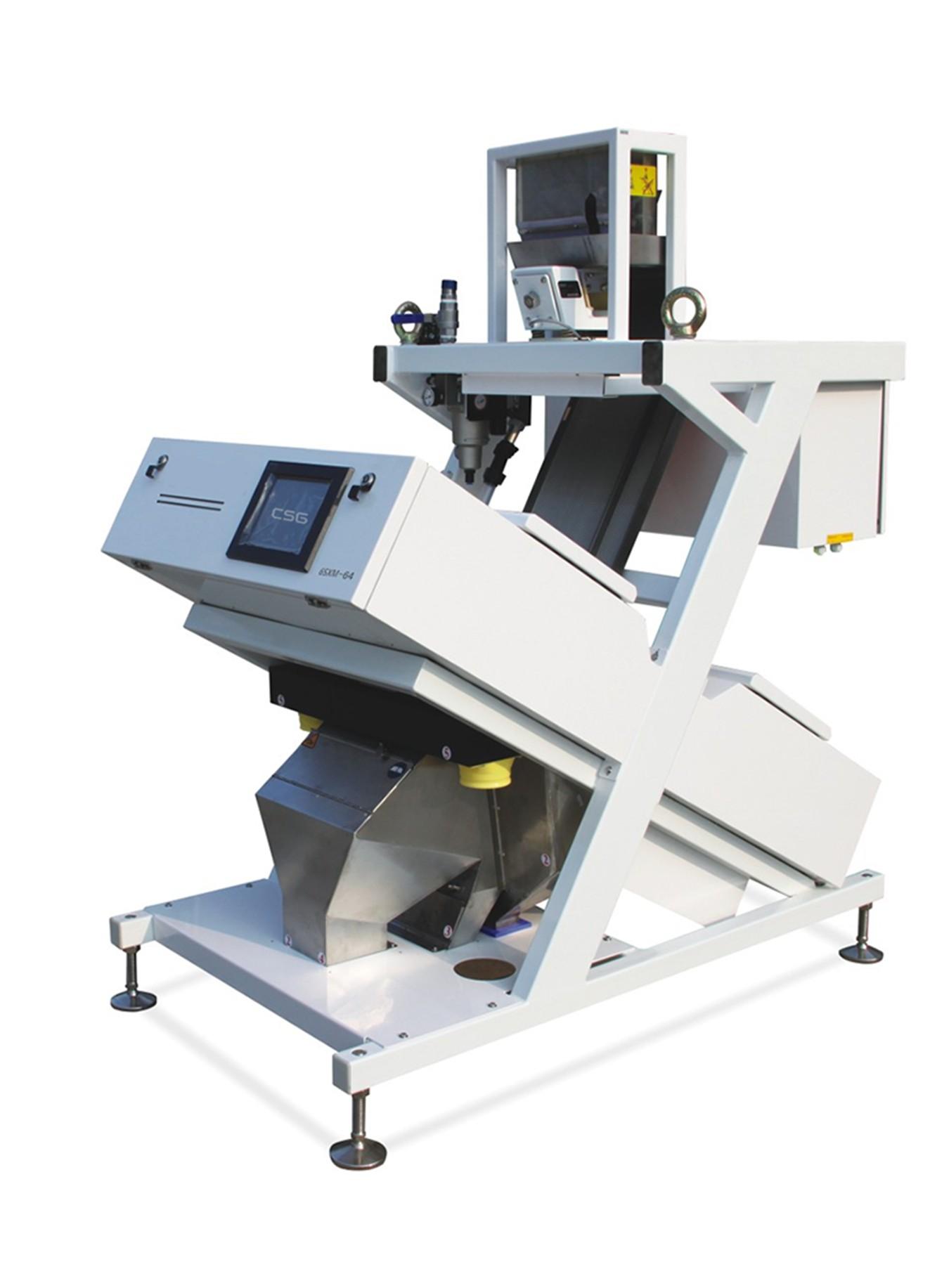
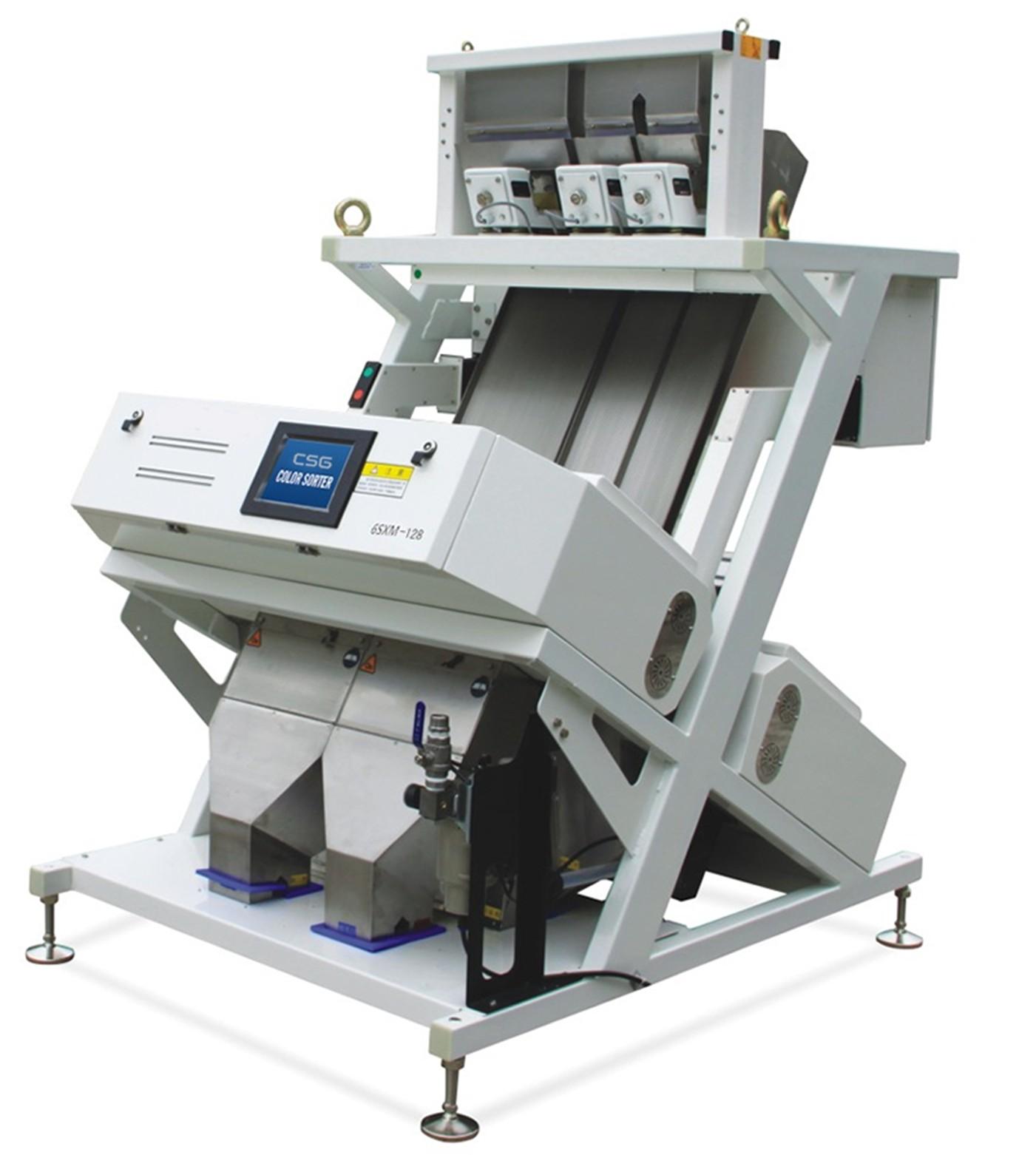
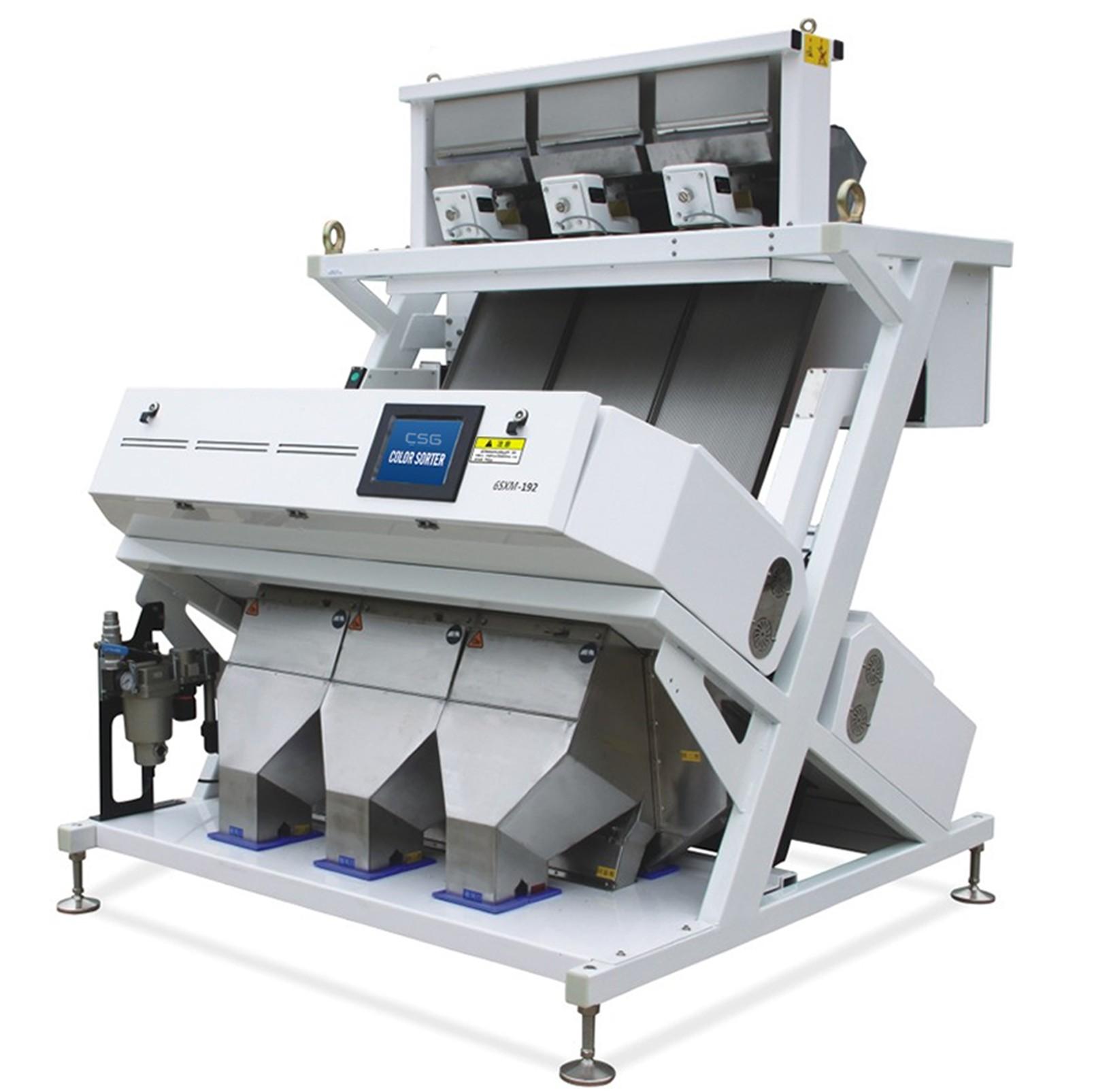
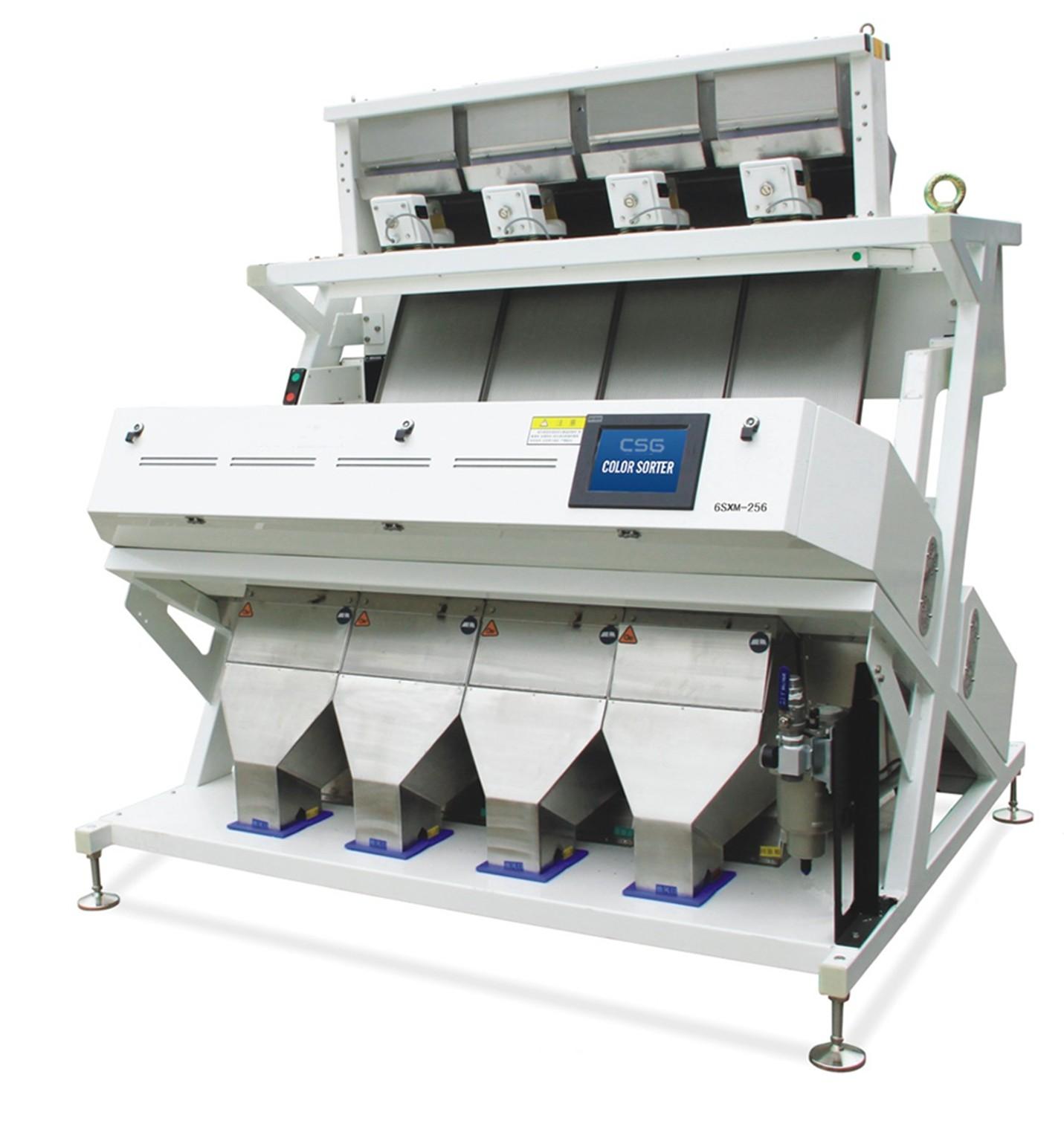
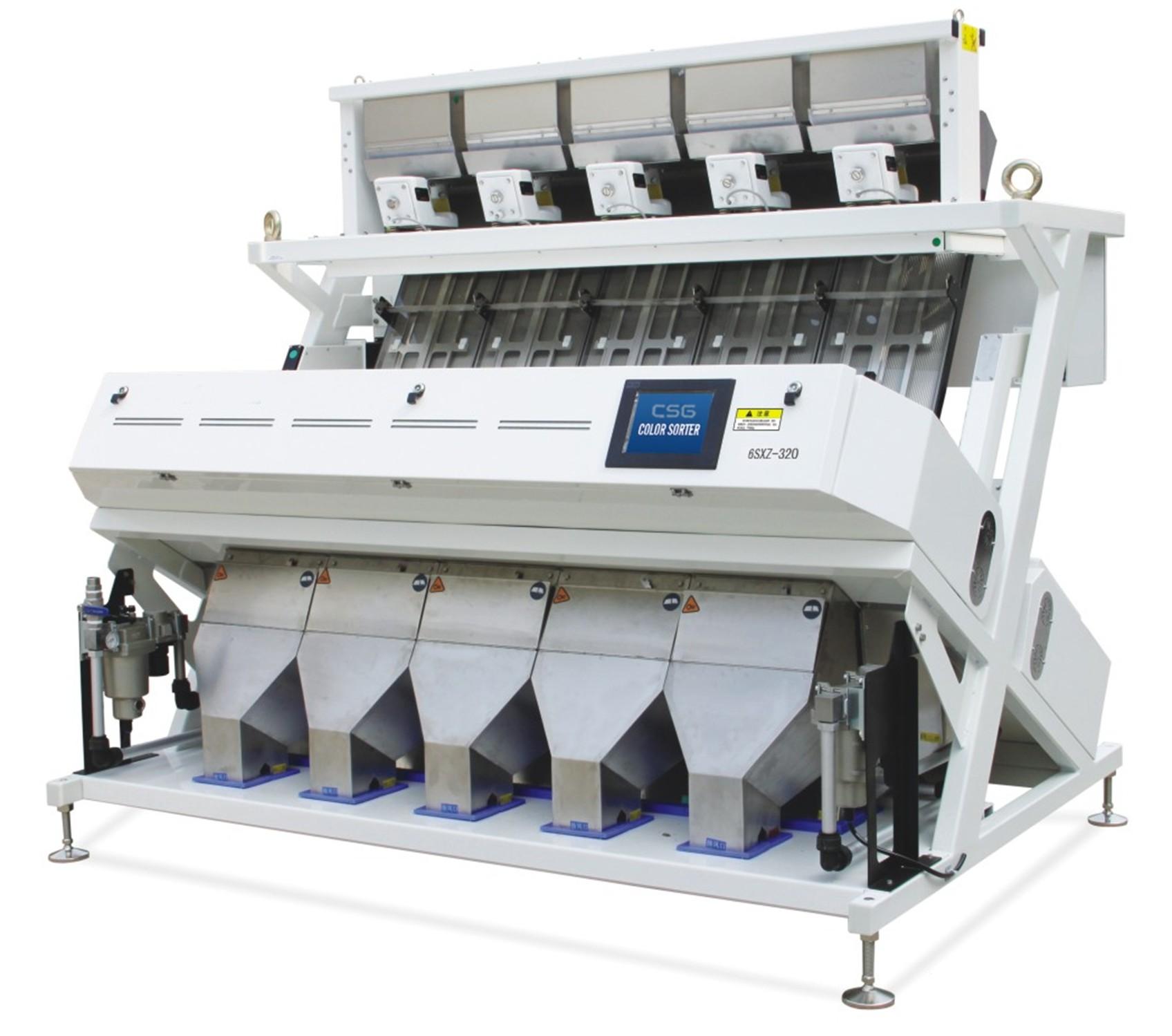
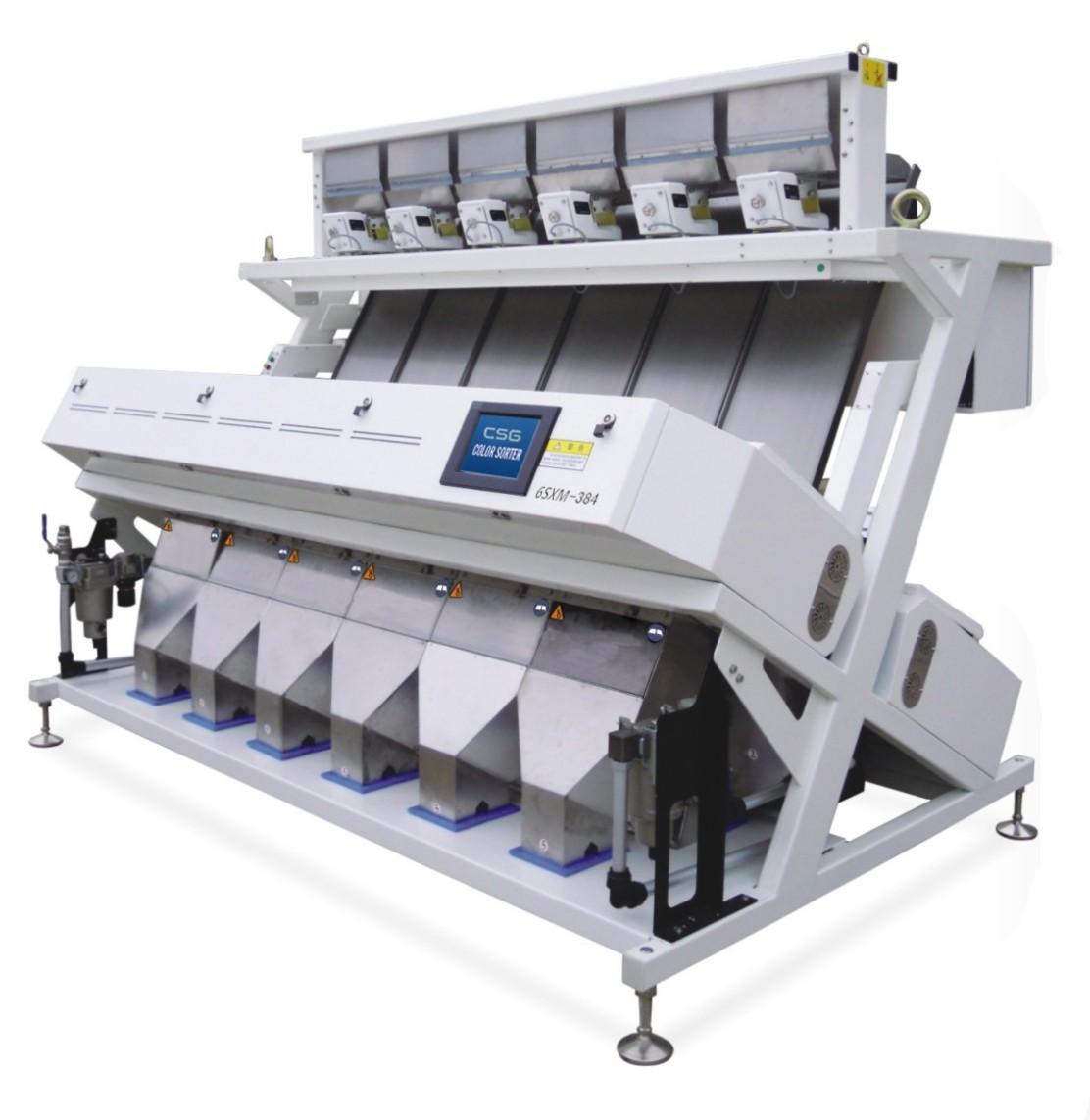
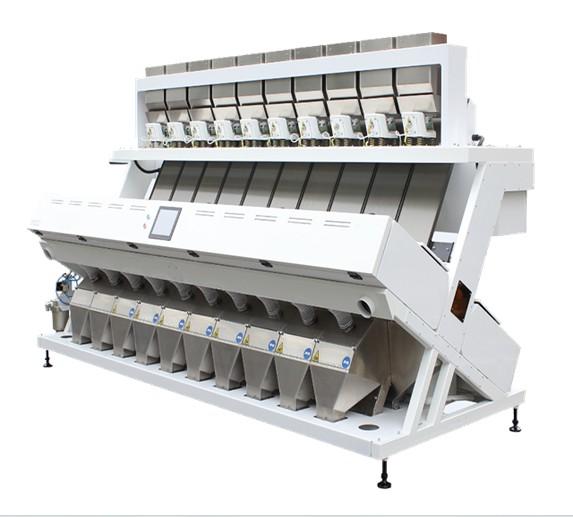
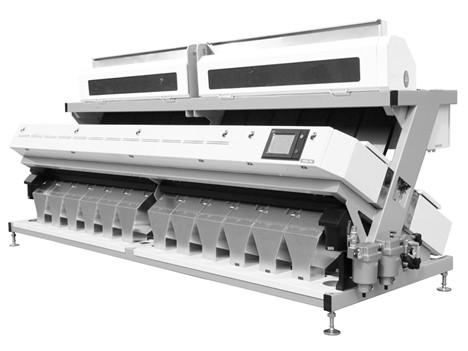
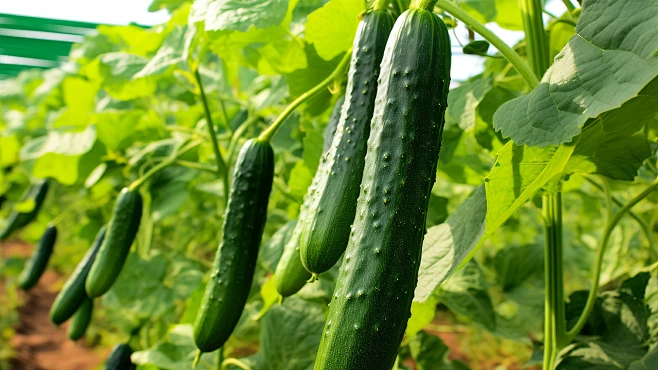
The cucumber color sorting machine is an intelligent sorting device specifically designed for the cucumber processing industry. Relying on the core technology framework of food color sorters, it has been specially optimized and upgraded to meet the physical characteristics and processing requirements of cucumbers. Centered around a high-resolution visual recognition system, it accurately captures subtle differences in cucumbers in terms of color, shape, and defects, enabling the rapid separation of qualified cucumbers, defective cucumbers, and impurities. It provides an integrated quality control solution for the entire cucumber processing industry chain, from raw material selection to final product grading. This machine not only significantly improves processing efficiency but also strictly ensures product quality, making it a core piece of equipment for modern cucumber processing enterprises to achieve large-scale, standardized production.
How Does It Work?
The cucumber color sorter, while retaining the core process of the food color sorter "image acquisition - algorithm analysis - precise sorting," has made three technical adaptations specifically for the characteristics of cucumbers:
1. Precision Image Capture: The device is equipped with a dual-spectrum high-resolution camera (visible light + near-infrared), combined with a customized optical lighting system, effectively overcoming interference factors such as cucumber surface moisture reflection and complex skin texture. It can capture thousands of cucumber images per second, comprehensively recording key information such as color uniformity (e.g., dark green, light green, yellow spots, faded areas), shape regularity (e.g., curvature, uniformity of thickness), and surface defects (e.g., wormholes, bruises, cracks, mold spots, pesticide residue spots).
2. Customized Algorithm Analysis: Equipped with a dedicated AI recognition algorithm for cucumbers, trained using a vast dataset of cucumber samples, it can accurately distinguish between "qualified cucumbers" (uniform color, regular shape, no obvious defects), "defective cucumbers" (slight bruising, localized yellow spots, mild bending), and "impurities" (leaves, soil clumps, stones, plastic fragments, etc.). It can also preset sorting criteria based on enterprise requirements (e.g., for processing cucumber dices, select straight cucumbers with a diameter of 3-5cm; for fresh consumption cucumbers, remove any surface defects), enabling personalized sorting.
3. Gentle and Efficient Sorting: Utilizing an air-blast sorting mechanism, the airflow strength and spray angle are precisely controlled to quickly separate different categories of cucumbers to the corresponding discharge ports without damaging the cucumber skin. The sorting speed can be adjusted according to the production line requirements, handling up to tens of thousands of kilograms of cucumbers per hour, ensuring that sorting efficiency perfectly matches the processing line capacity and avoiding issues of material accumulation or incomplete sorting.
Benefits of Using a Cucumber Color Sorter
1. Precise quality control to meet diverse needs: Sorting standards can be customized according to processing scenarios (fresh consumption, pickling, dehydration, canning, etc.). For example, fresh cucumbers need to be selected for bright color, flawless appearance, and attractive shape; pickling cucumbers need to have wormholes and cracks removed (to prevent spoilage during pickling); dehydrated cucumbers need to be selected for uniform moisture content and consistent size of raw materials. This ensures consistent quality of the final product, meets the strict market quality requirements for cucumber products, and enhances product competitiveness in the market.
2. Doubling processing efficiency and reducing labor costs: Completely replacing traditional manual sorting methods, where workers can only sort a few hundred kilograms of cucumbers per hour and are easily affected by fatigue and subjective judgment, leading to inconsistent sorting standards. In contrast, cucumber color sorting machines can process several tons per hour with sorting accuracy exceeding 99%, significantly increasing production line throughput, shortening processing cycles, and reducing labor input, as well as lowering labor management and training costs. This is particularly suitable for continuous production in large-scale cucumber processing enterprises.
3. Reduce raw material waste and improve raw material utilization: By accurately distinguishing between "repairable defects" and "unusable defects," for example, sorting slightly bent but undamaged cucumbers into the "pickling-special channel" instead of discarding them directly, the value of the raw materials can be maximized; at the same time, impurities and completely unusable substandard cucumbers are effectively removed, preventing unqualified materials from entering subsequent processes such as washing and cutting, thereby reducing the waste of water resources, energy, and processing supplies, and lowering production costs.
4. Enhancing food safety and mitigating quality risks: Capable of quickly identifying and removing physical impurities such as soil, stones, and plastic from cucumbers, while also using near-infrared spectroscopy to assist in detecting potential safety hazards like pesticide residue spots and mold. This approach cuts off food safety risks at the source, helping companies comply with national food safety standards and market supervision requirements, and preventing losses from recalls, complaints, and other issues caused by product quality problems, thereby protecting the company's brand reputation.
5. Data-Driven Management to Optimize Production Decisions: High-end cucumber color sorters are equipped with data collection and analysis systems that can record sorting quantities, qualification rates, and the distribution of defect types in real time (e.g., "3% of today's raw materials have insect holes, 1.5% have yellow spots"). They generate production reports to help enterprises accurately grasp the quality of raw materials, optimize procurement channels, and provide data support for production process adjustments, achieving refined production management.
Applications
The cucumber color sorting machine, with its high adaptability, is widely used in various stages of the entire cucumber processing industry chain:
1. Raw Material Selection Stage: Used for initial screening of raw cucumbers at planting bases and collection points, quickly separating qualified cucumbers from rotten, misshapen, or severely defective ones. This prevents inferior raw materials from occupying storage and transportation resources and reduces subsequent processing costs.
2. Fresh Food Processing Stage: At supermarket distribution centers and fresh-cut vegetable processing plants, it selects cucumbers that are uniform in shape, evenly colored, and free of blemishes, which can be sold directly as fresh products or processed into fresh-cut cucumber sticks or slices, ensuring product appearance and taste.
3. Deep Processing Stage: Suitable for pickled cucumber factories (selecting cucumbers without cracks or wormholes to avoid spoilage during pickling), dehydrated cucumber factories (selecting cucumbers with uniform thickness and consistent moisture content to ensure uniform quality after dehydration), canned cucumber factories (selecting cucumbers with consistent size and specifications to meet canning standards), and cucumber juice processing plants (removing moldy or spoiled parts to ensure juice purity and safety).
4. Export Processing Stage: To meet strict quality standards for export cucumbers, achieving high-precision sorting ensures that products meet the appearance and safety requirements of target markets, improving the qualification rate of exported products.
Technical Upgrade Highlights
1. Intelligent Adaptive Adjustment: The equipment can automatically adjust image recognition parameters and sorting standards according to differences in raw material batches (such as cucumbers from different origins or with varying maturity), eliminating the need for frequent manual adjustments and enhancing production continuity.
2. Modular Design: Featuring a modular structure, the sorting unit, transmission unit, and control system can be independently disassembled for maintenance, reducing equipment failure rate and maintenance costs. It also supports capacity upgrades (additional sorting channels can be added based on enterprise growth needs).
3. Hygienic Materials and Design: Components in contact with cucumbers are made of food-grade 304 stainless steel, with smooth surfaces and no dead corners, making cleaning and sterilization easy. The equipment meets IP65 waterproof standards, suitable for cleaning operations in processing workshops, preventing bacterial growth and ensuring food hygiene.
4. Remote Monitoring and Maintenance: Supports IoT connectivity, enabling enterprise managers to view equipment operation status and sorting data in real-time via a mobile app or computer. Manufacturers can provide remote fault diagnosis and system upgrade services, minimizing equipment downtime.
Conclusion
The cucumber color sorting machine, as a specialized upgrade of the food color sorter in its niche field, precisely meets the core needs of the cucumber processing industry for quality control, efficiency improvement, and safety assurance. It not only inherits the automation and high-precision advantages of general food color sorters but also, through technological adaptation and functional expansion tailored to the characteristics of cucumbers, addresses pain points in traditional processing methods such as low manual sorting efficiency, inconsistent standards, and significant waste. For cucumber processing enterprises, investing in a cucumber color sorting machine is not just an upgrade in production equipment; it is also a crucial step in transforming the production model from 'extensive' to 'refined, standardized, and intelligent.' It can help enterprises gain advantages in intense market competition by ensuring stable product quality, high production efficiency, and strict safety management. Moreover, it better meets consumers' diverse and high-quality cucumber product demands, supporting enterprises in achieving scalable development and enhancing brand value.
Articles about Cucumber Sorting
Automated Optical Sorting: The Foundation of Modern Canned Cucumber Production
Discover how automated optical sorting systems standardize canned cucumber production through precise size and color grading, improving yield, safety, and operational efficiency in food processing.