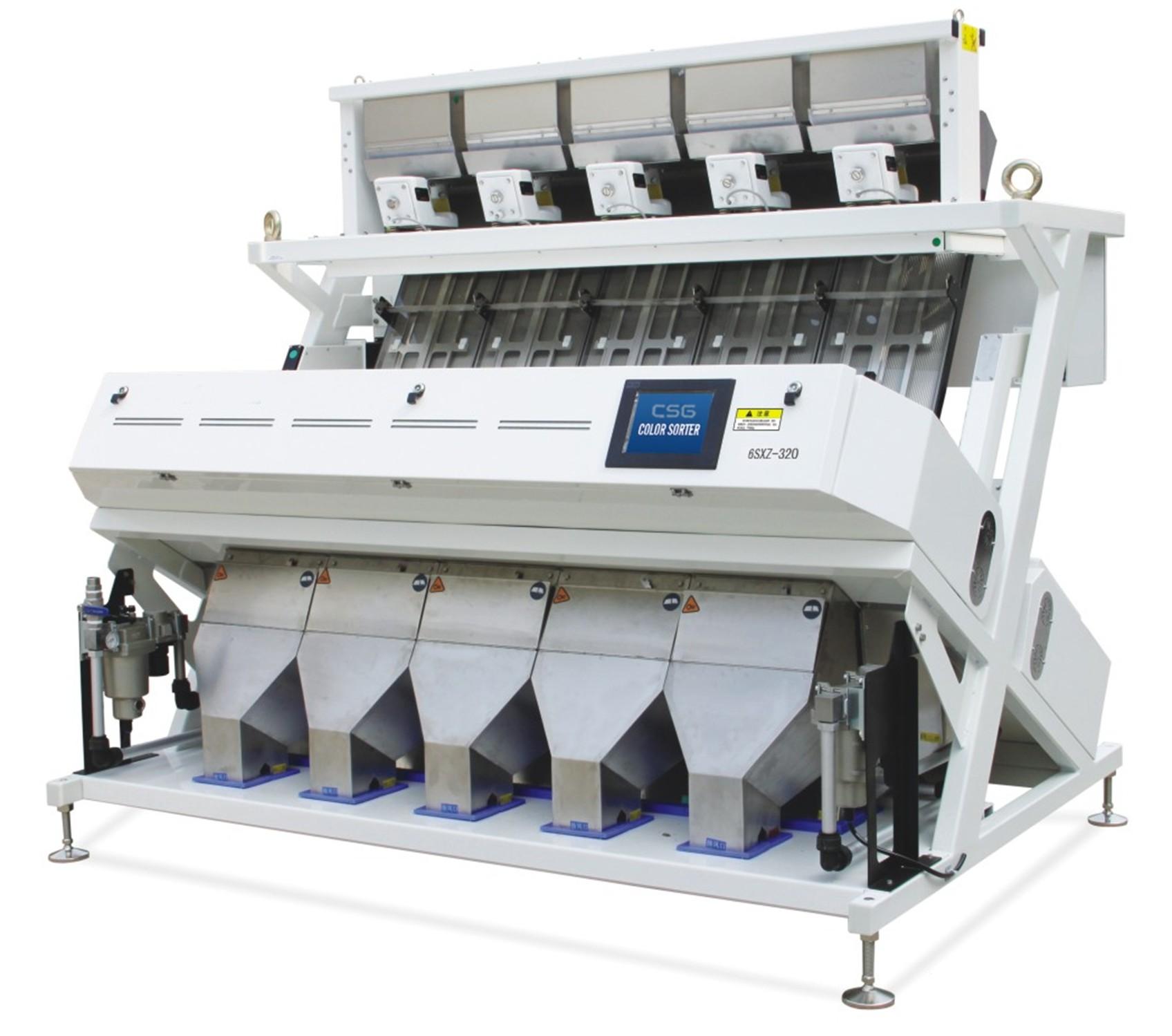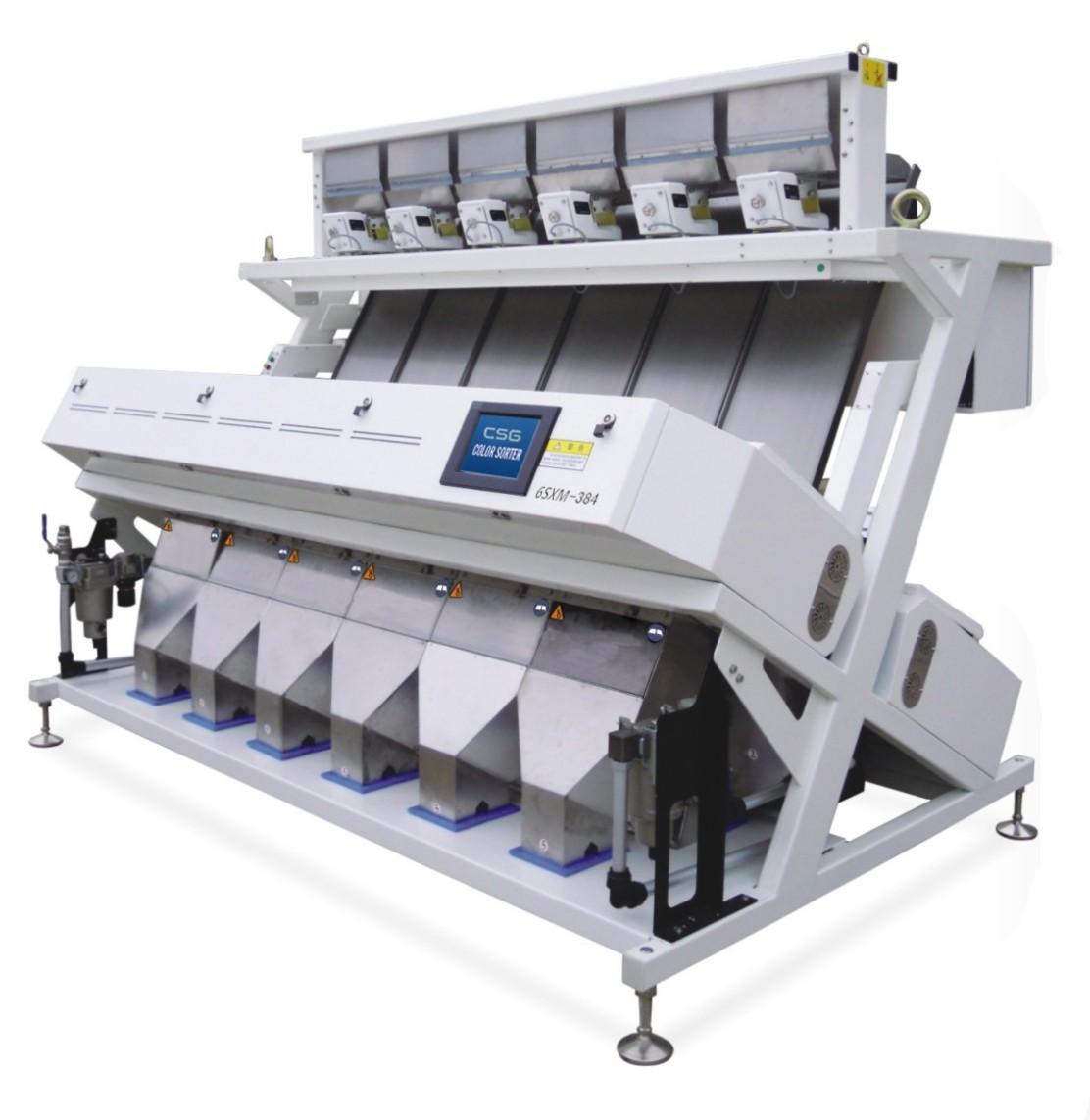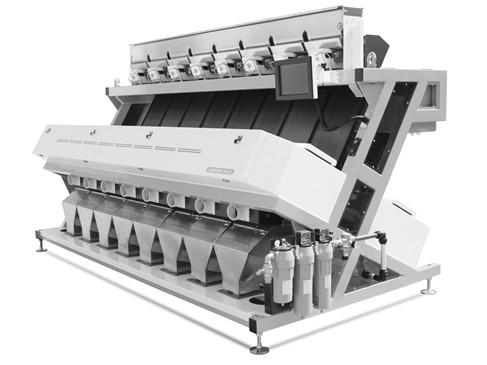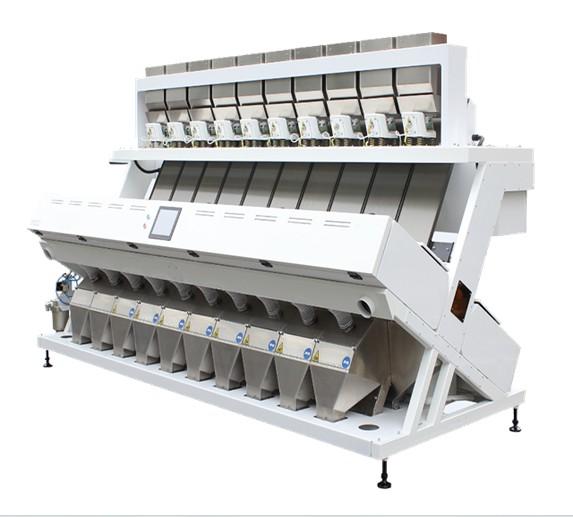
Vegetable Color Sorter: Optimizing Vegetable Quality and Processing Efficiency
Introduction to Vegetable Color Sorter
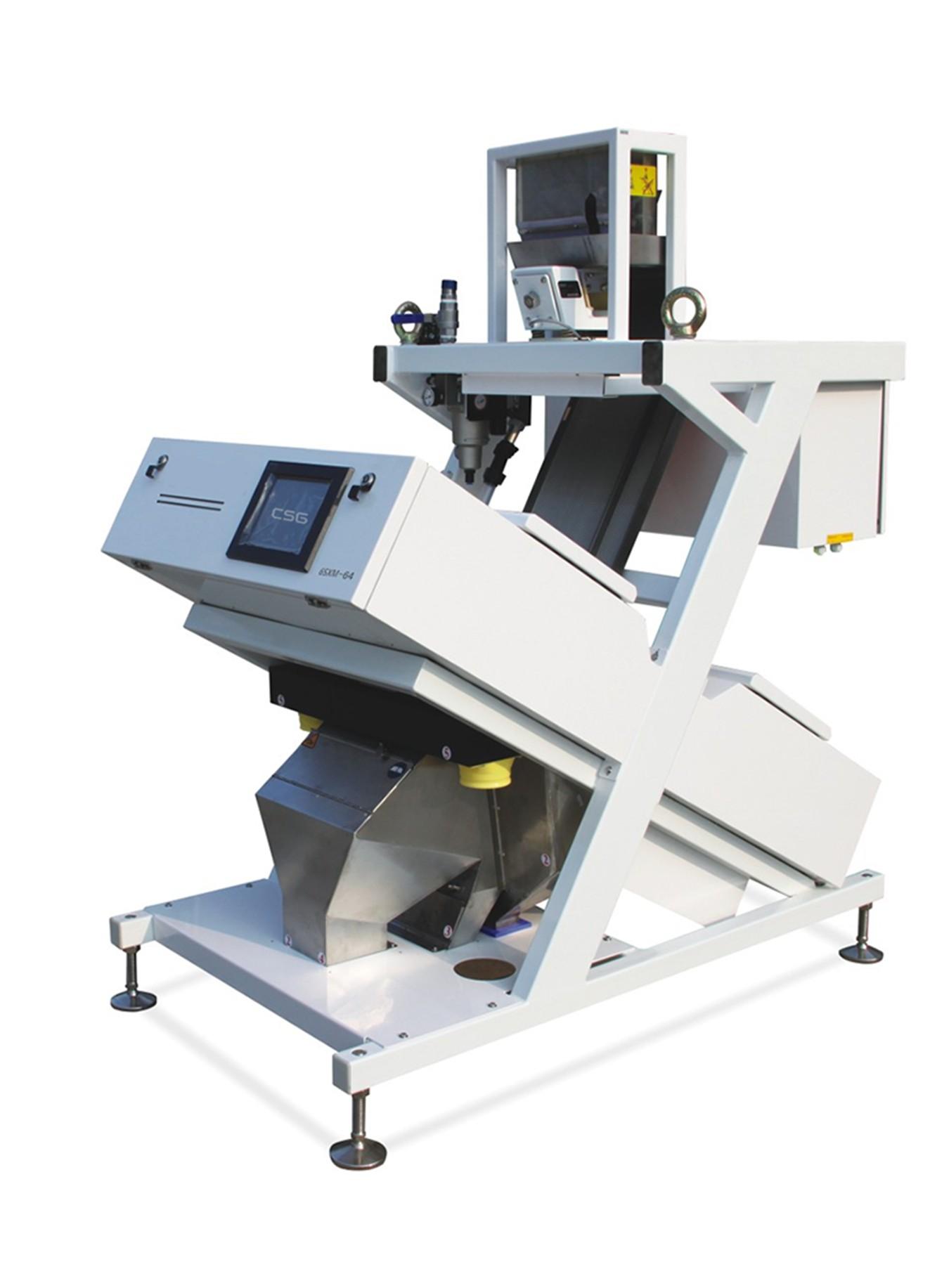
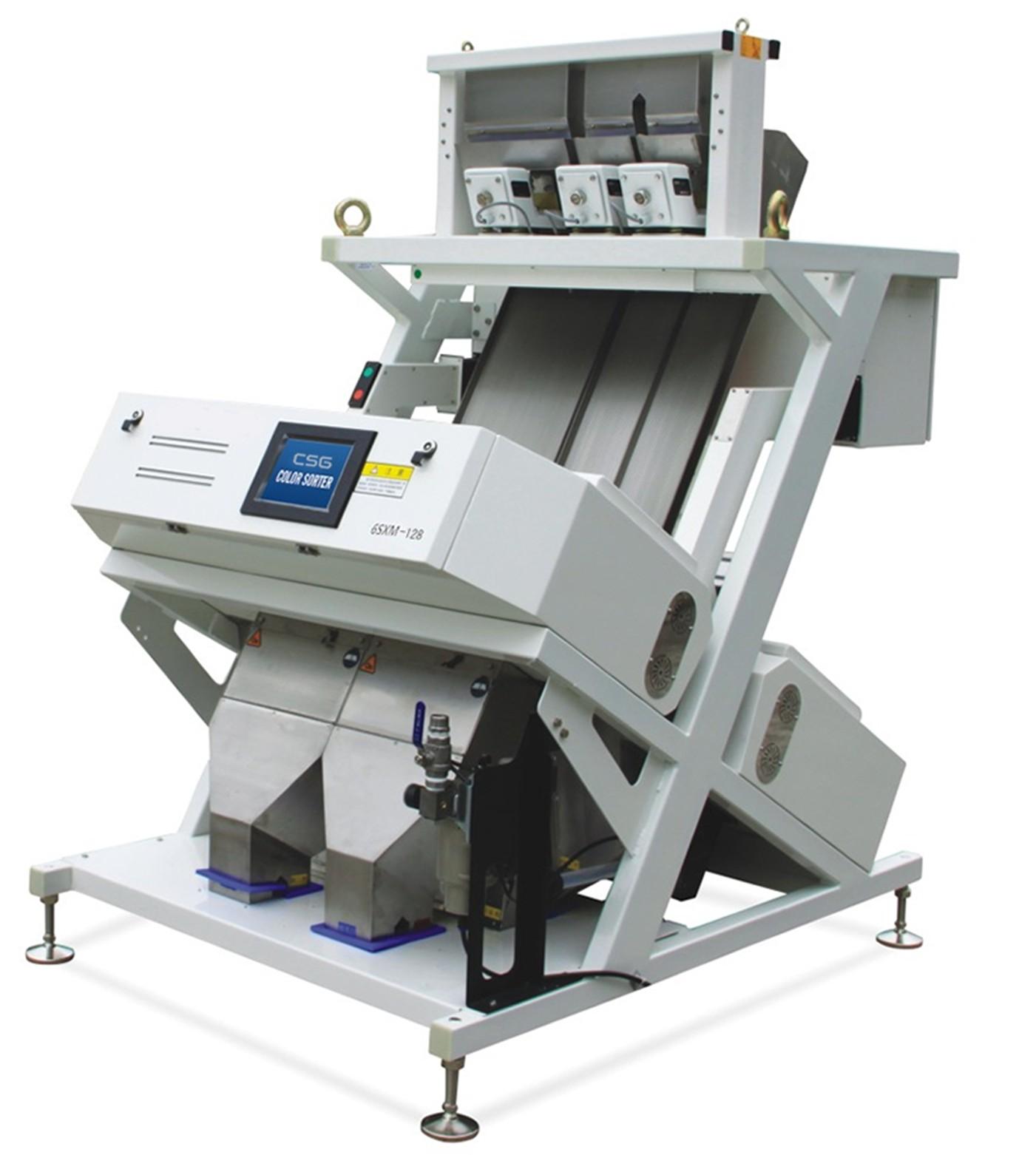
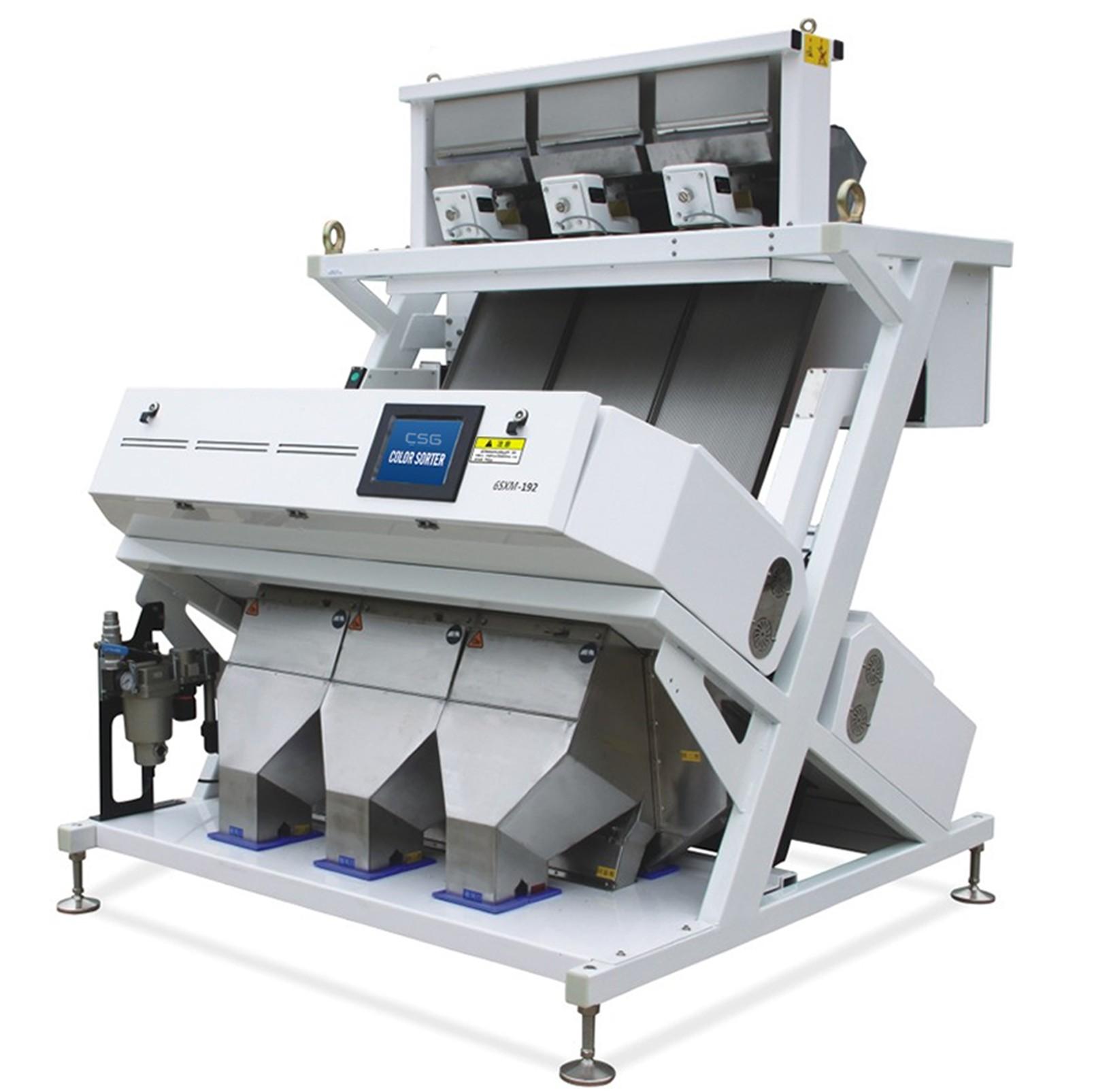
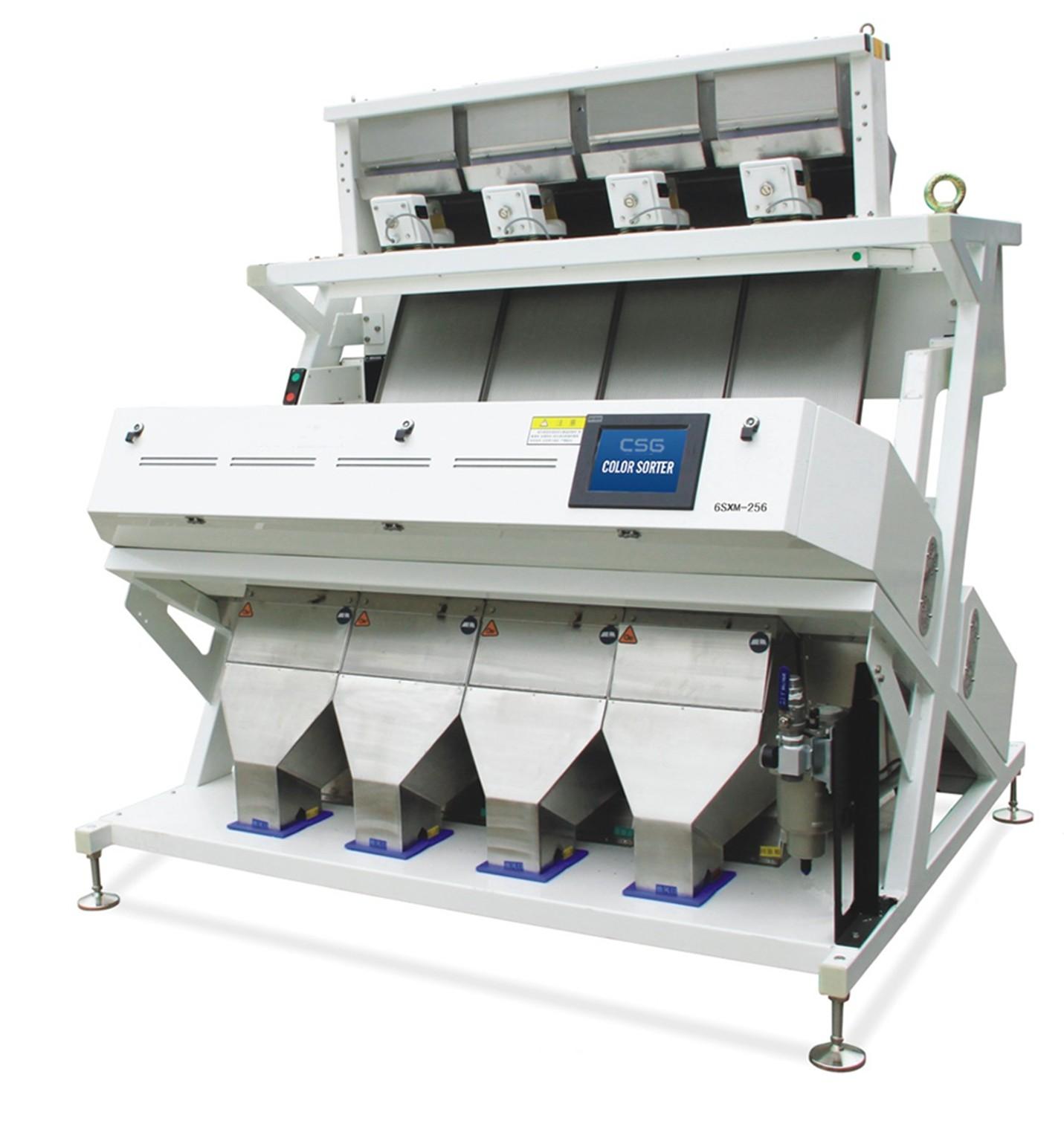
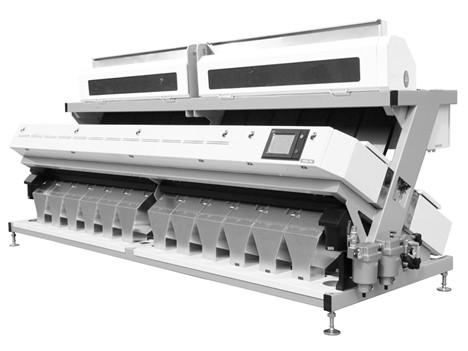
A vegetable color sorter is an advanced machinery system designed to enhance the quality and efficiency of vegetable processing. It utilizes cutting-edge optical, hyperspectral imaging, and artificial intelligence recognition technology to precisely sort vegetables based on color, size, shape, surface defects, ripeness, and internal quality characteristics.
By integrating a vegetable color sorter into the processing line, producers can significantly improve the overall marketability, shelf life, and safety of vegetables, while simultaneously reducing waste, increasing throughput, and maximizing economic returns.
How Does It Work?
Vegetable color sorters employ high-resolution multispectral cameras, precision optical systems, and sophisticated AI-powered image processing algorithms. As vegetables (whole, sliced, or diced) pass through the inspection area on vibrating trays or belt conveyors, the cameras rapidly capture detailed images of each item. The system then analyzes features such as color uniformity, size gradation, shape conformity, and the presence of blemishes, bruises, rot, or foreign materials in real-time.
Once substandard vegetables or impurities are identified, the control system instantly activates high-speed ejector mechanisms. These mechanisms, using precise jets of compressed air or mechanical pushers, remove the defective pieces from the product stream, ensuring only high-quality, uniformly graded vegetables proceed to packaging.
Benefits of Using a Vegetable Color Sorter
1. Enhanced Product Quality & Consistency: By removing defective, discolored, or damaged pieces, the sorter ensures a uniform, high-quality final product that meets stringent retailer and consumer standards for appearance and freshness.
2. Improved Food Safety: Eliminating pieces with rot, mold, mildew, or insect damage reduces microbial risks and chemical contamination, directly contributing to safer food products.
3. Increased Processing Efficiency & Automation: High-speed, 24/7 operation allows for continuous sorting at volumes impossible by manual labor, drastically increasing throughput and reducing reliance on seasonal workers.
4. Waste Reduction & Yield Optimization: Precise sorting minimizes the unnecessary discard of good produce, maximizing usable yield from the raw harvest and improving overall cost-effectiveness and sustainability.
5. Versatility & Advanced Sorting: Modern sorters can be easily programmed for various vegetable types (leafy greens, root vegetables, tubers, legumes, etc.) and tasks—from simple defect removal to complex grading by color, size, and ripeness, or even internal quality assessment using NIR technology.
Applications
Vegetable color sorters are critical in multiple stages of vegetable processing and value addition, including:
Pre-processing: Removal of stones, soil clumps, and field debris
Quality Grading: Sorting by color (ripeness), size, and shape
Defect Removal: Elimination of bruised, rotten, sunburned, or insect-damaged pieces
Processed Vegetable Lines: Sorting cut vegetables (french fries, carrot coins, broccoli florets) for color consistency and defects
Final Quality Control before Fresh Market Packaging or Processing (freezing, canning)
They are indispensable equipment in modern vegetable packing houses, frozen food processing plants, and dehydrated vegetable facilities, ensuring the delivery of safe, high-quality, and visually appealing vegetable products to consumers worldwide.
Conclusion
Vegetable color sorters play a vital role in modern food processing and agricultural technology. They offer comprehensive benefits—from drastically improving product safety, consistency, and shelf life to boosting processing efficiency, profitability, and sustainability. Investing in this sophisticated technology allows vegetable processors to elevate their quality standards, ensure consistent product excellence, meet rigorous food safety regulations, and satisfy the discerning demands of the global fresh and processed food markets.