Tomato Color Sorter: Optimize the Quality and Efficiency of Tomato Processing
Introduction to Tomato Color Sorter
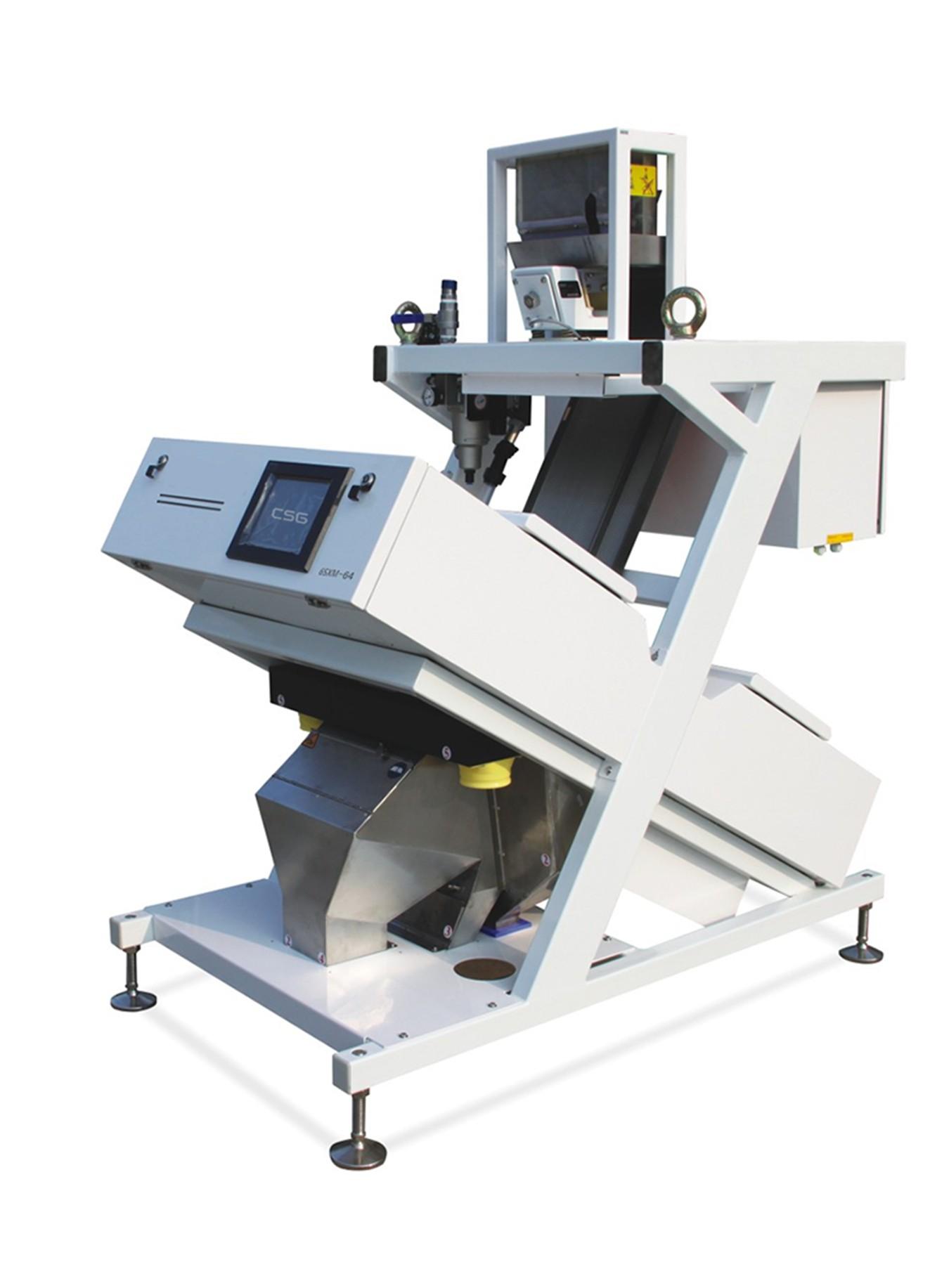
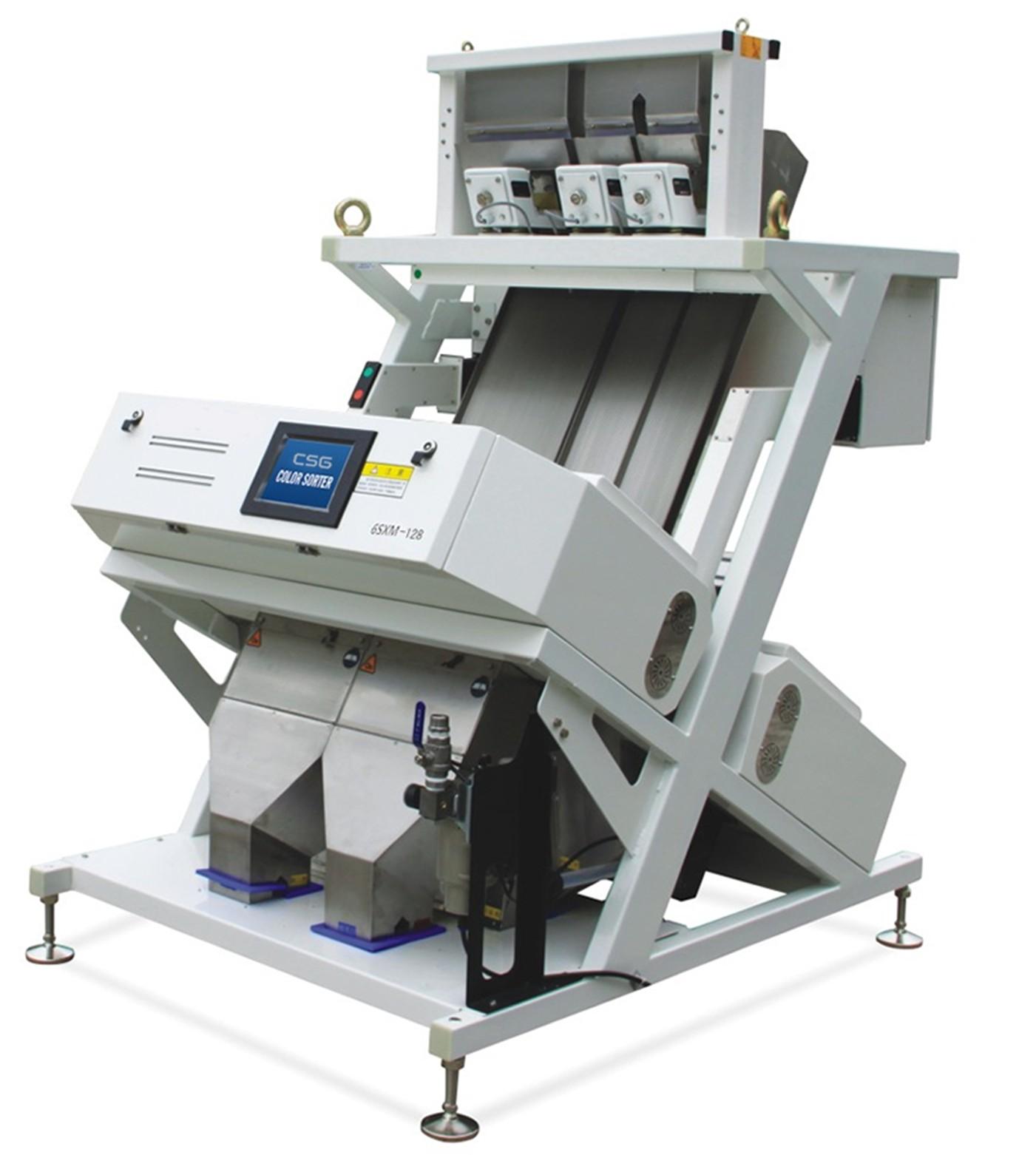
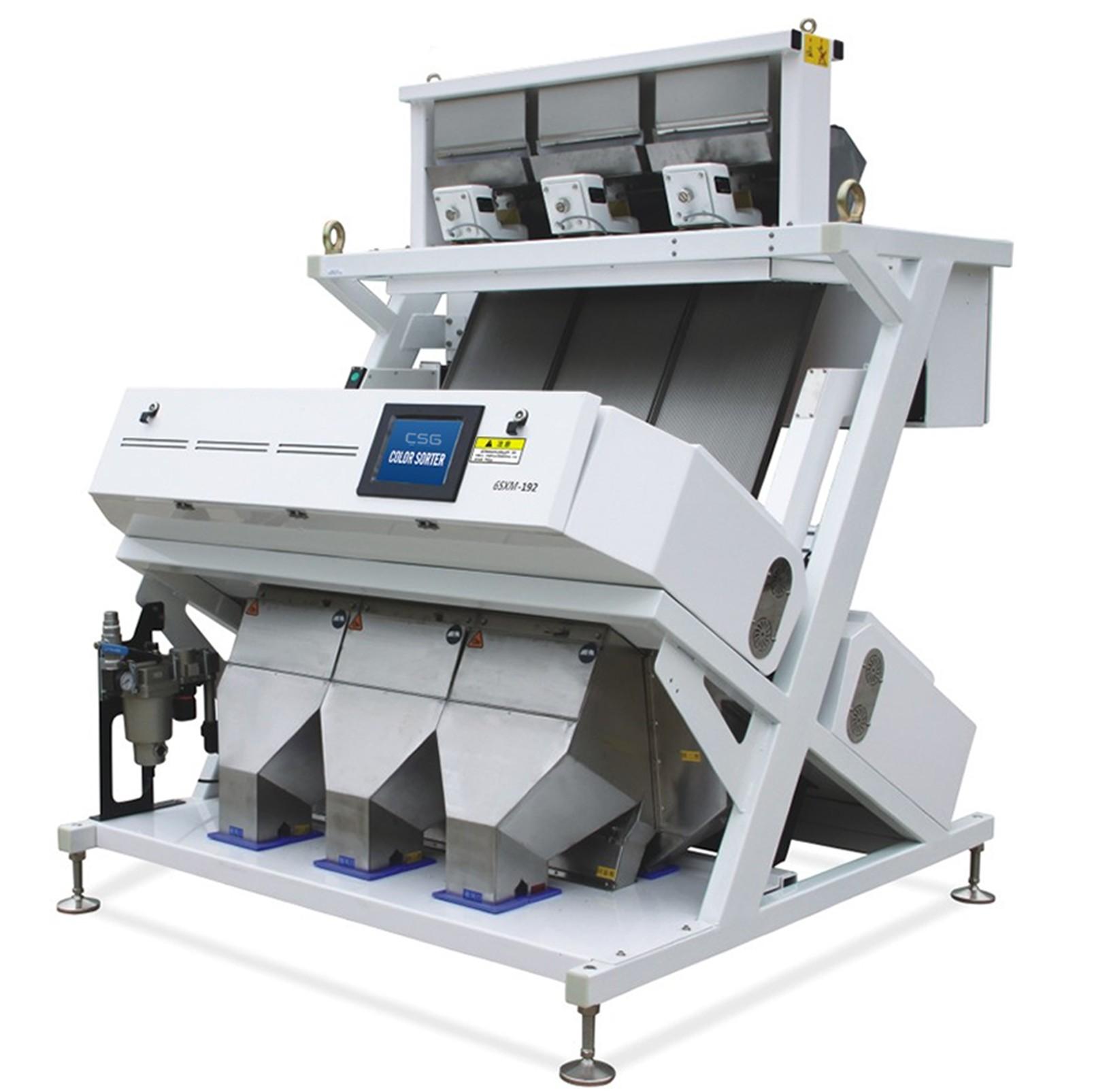
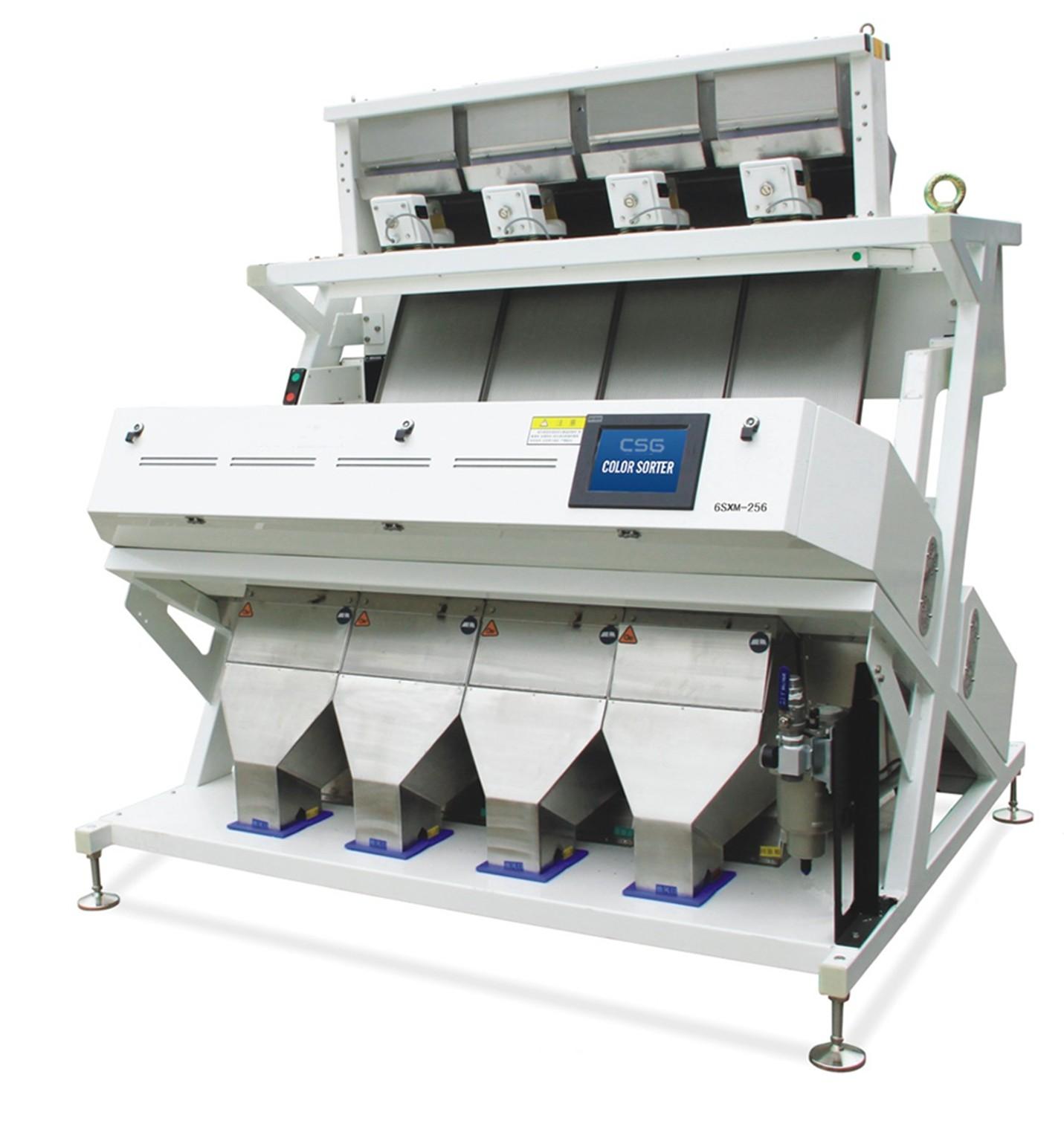
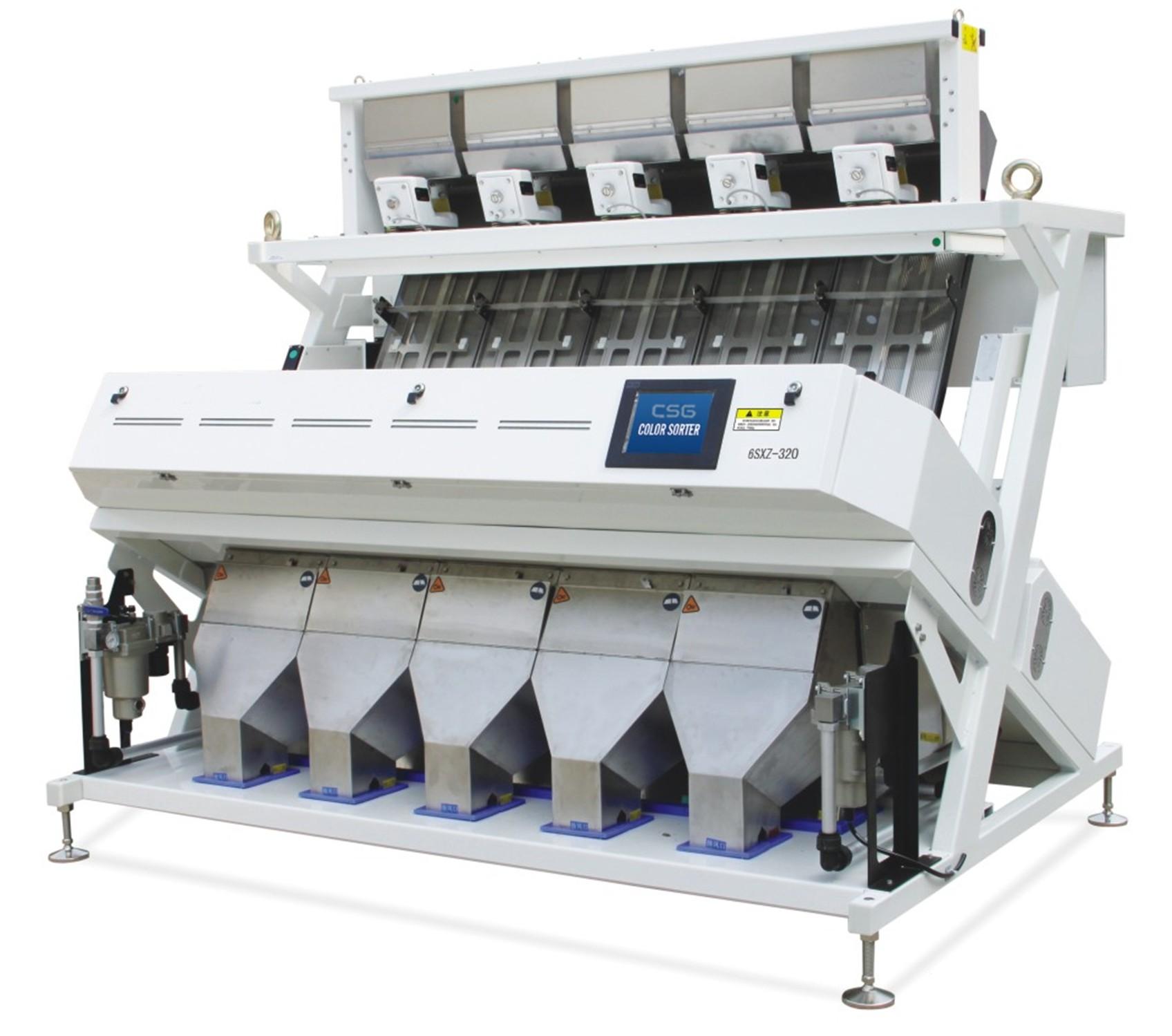
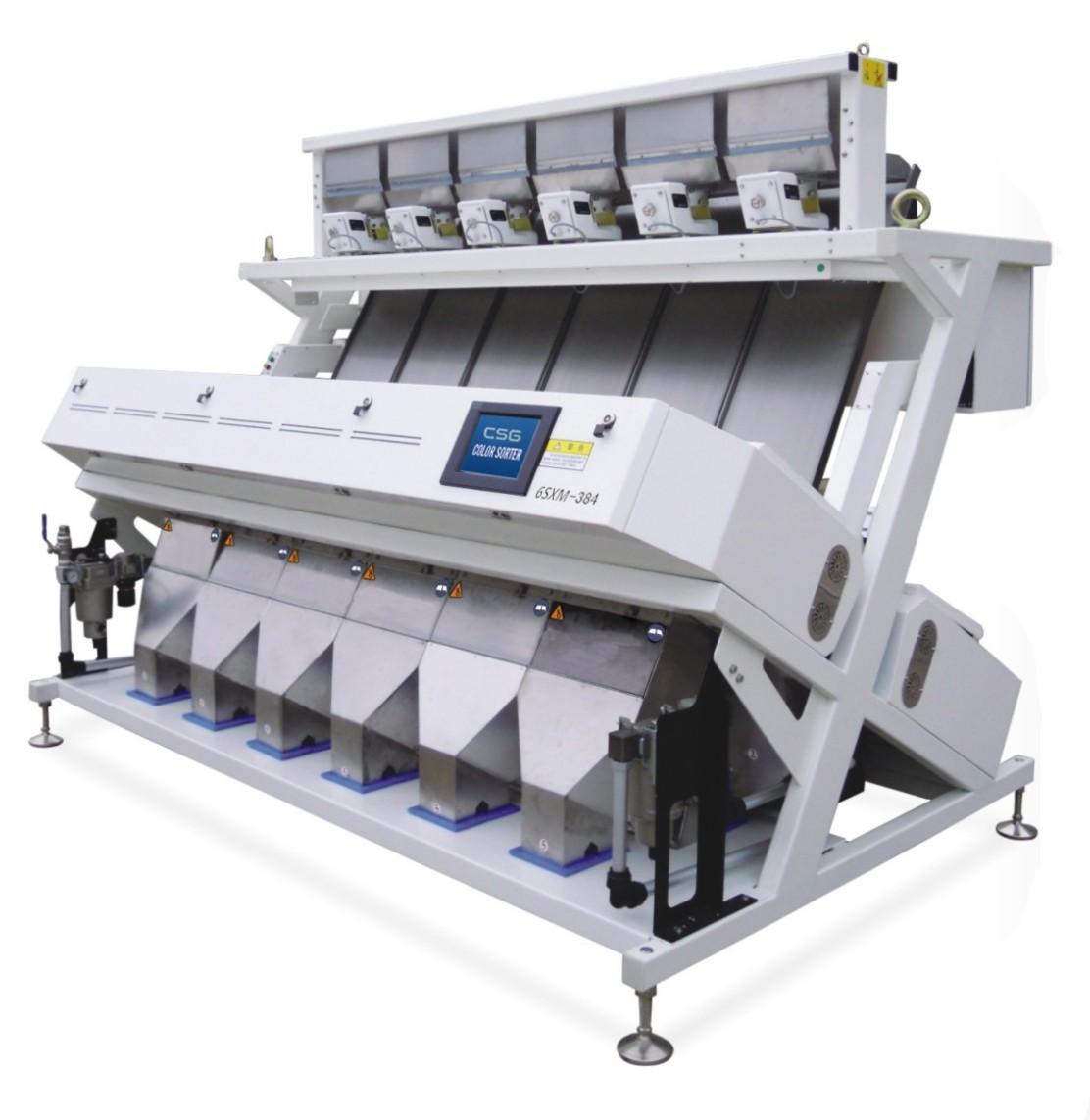
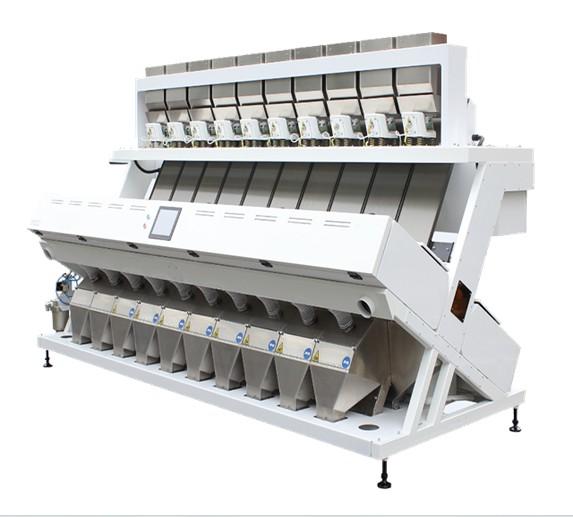
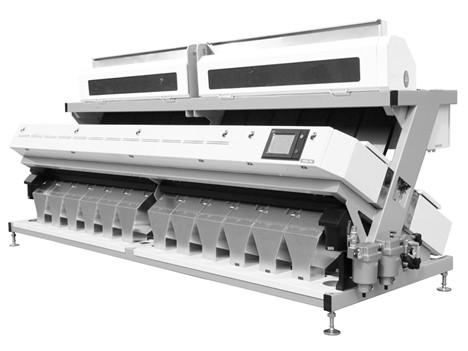
The tomato color sorting machine is an intelligent optical inspection device specifically designed for the tomato processing industry. Relying on the core technology framework of food color sorters, it has been specially optimized and upgraded to meet the physical characteristics and processing requirements of tomatoes. Centered around a high-resolution visual recognition system combined with multispectral sensors, it accurately captures subtle differences in tomatoes in terms of color, shape, ripeness, and surface defects, enabling the rapid separation of premium tomatoes, defective tomatoes, and foreign impurities. It provides an integrated quality control solution for the entire tomato processing industry chain, from raw material selection to final product grading. This machine not only significantly improves processing efficiency but also strictly ensures product quality, making it a core piece of equipment for modern tomato processing enterprises to achieve large-scale, standardized production.
How Does It Work?
The tomato color sorter, while retaining the core process of the food color sorter "image acquisition - algorithm analysis - precise sorting," has made three technical adaptations specifically for the characteristics of tomatoes:
1. Precision Image Capture: The device is equipped with a dual-spectrum high-resolution camera system (visible light + near-infrared), combined with a customized optical lighting system, effectively overcoming interference factors such as tomato surface gloss reflection and complex color gradients during ripening. It can capture thousands of tomato images per second, comprehensively recording key information such as color uniformity and ripeness (e.g., full red, green shoulder, yellow spots, uneven coloring), shape regularity (e.g., roundness, deformities, elongation), and surface defects (e.g., cracks, bruising, insect damage, mold, sunscald, blossom-end rot).
2. Customized Algorithm Analysis: Equipped with a dedicated AI recognition algorithm for tomatoes, trained using a vast dataset of tomato samples across different varieties and ripeness stages, it can accurately distinguish between "qualified tomatoes" (uniform ripe color, regular shape, no obvious defects), "defective tomatoes" (slight bruising, color imperfections, mild deformities suitable for processing), and "impurities" (stems, leaves, soil clumps, stones, plastic fragments, etc.). It can also preset sorting criteria based on enterprise requirements (e.g., for whole canned tomatoes, select firm, uniformly red, round tomatoes of specific caliber; for ketchup processing, remove green and moldy parts while accepting shape variation), enabling personalized multi-grade sorting.
3. Gentle and Efficient Sorting: Utilizing an air-blast sorting mechanism with soft-touch conveyor belts, the airflow strength and spray angle are precisely controlled to quickly separate different categories of tomatoes to the corresponding discharge ports without damaging the delicate tomato skin or causing bruising. The sorting speed can be adjusted according to the production line requirements, handling up to tens of thousands of kilograms of tomatoes per hour, ensuring that sorting efficiency perfectly matches the processing line capacity and avoiding issues of material accumulation or incomplete sorting during peak harvest season.
Tomato Defect Detection by Processing Application
| Processing Application | Common Defects & Foreign Materials | Min. Defect Size | Detection Rate | Recommended Sensor Setup | Key Sorting Challenge | Typical Throughput |
|---|---|---|---|---|---|---|
| 🍅 Fresh Market Tomatoes | Green shoulders · Yellow spots · Cracks · Bruising · Insect damage · Misshapen fruit · Sunscald · Stems · Leaves · Soil | ≥ 0.3 mm | ≥ 99.3% | RGB + NIR · Multi-angle cameras · Soft-touch belt conveyor | Delicate skin bruising prevention · Glossy surface reflection interference · Ripeness color gradient natural variation · Retail-ready visual perfection | 2-8 t/h |
| 🍅 Whole Peeled / Canned Tomatoes | Cracks · Soft spots · Mold · Insect damage · Green areas · Irregular shape · Foreign material · Stones · Stem attachment | ≥ 0.2 mm | ≥ 99.6% | RGB + NIR · UV fluorescence (optional) · High-sensitivity defect detection | Crack and soft spot detection critical for canning integrity · Uniform red ripeness for product appearance · Firmness correlation with color · Consistent caliber for jar packing | 3-10 t/h |
| 🍅 Paste / Sauce / Juice Tomatoes | Green tomatoes · Mold · Rot · Foreign material · Stones · Soil clods · Plastic · Stems · Leaves · Diseased fruit | ≥ 0.25 mm | ≥ 99.5% | RGB + NIR · Multi-spectral · High-volume handling · X-ray optional | High ripeness consistency for Brix optimization · Mold/rot removal for mycotoxin prevention · Foreign material elimination for food safety · High-throughput continuous operation | 5-15 t/h |
| 🍅 Diced / Prepared Tomato Products | Core rot · Internal defects · Green gel · Bruised areas · Mold · Foreign material · Skin fragments · Discolored pieces | ≥ 0.2 mm | ≥ 99.4% | RGB + NIR · Multi-angle · High-resolution surface inspection | Internal defect detection without cutting · Surface blemish identification before dicing · Consistent dice color and texture · Food service quality standards | 2-8 t/h |
Benefits of Using a Tomato Color Sorter
Sorting standards can be customized according to processing scenarios (fresh market, dicing, juicing, canning, paste production). Ensures consistent quality of the final product, meets strict market quality requirements, and enhances product competitiveness.
Completely replacing traditional manual sorting, machines can process several tons per hour with sorting accuracy exceeding 99%, significantly increasing production line throughput while reducing labor input during peak harvest season.
By accurately distinguishing between usable and unusable defects, raw material value can be maximized through multi-channel sorting, directing each grade to its optimal processing destination rather than discarding salvageable product.
Capable of quickly identifying and removing physical impurities while using near-infrared spectroscopy to detect mold, rot, and decay, cutting off food safety risks at the source and protecting brand reputation.
Tomato Quality Grade Classification
| Grade | Designation | Max Defect Rate | Visual Quality Characteristics | Typical Market Application | Price Position | Processing Destination |
|---|---|---|---|---|---|---|
| A | Premium Fresh / Whole Pack Grade | ≤ 1.0% | Uniform deep red color · Round regular shape · Zero cracks or blemishes · No green shoulder · No insect damage · Firm texture · Glossy smooth skin · Perfect retail appearance | Premium fresh retail · Whole peeled canned · High-end food service · Export fresh market · Gourmet processing | Top Tier +25-40% | Direct fresh sale · Whole canning · Premium fresh-cut · VIP food service |
| B | Processing Grade | ≤ 3.0% | Minor color variation acceptable · Slight shape irregularity tolerated · Small surface blemishes acceptable after trimming · Sound flesh without rot · Suitable for cutting and thermal processing | Diced tomato production · Sauce manufacturing · Paste and puree processing · Juice extraction · Food service supply | Standard Market Price | Diced canned · Tomato sauce · Ketchup · Tomato paste · Juice · Salsa |
| C | By-product / Feed Grade | ≤ 8.0% | Mixed ripeness · Green and over-ripe accepted · Misshapen fruit · Foreign material must be removed · No rot or mold permitted · Acceptable for low-value processing | Animal feed · Composting · Biogas production · Seed extraction · Low-grade bulk processing | Economy -20-30% | Livestock feed · Organic fertilizer · Bioenergy · Tomato seed oil |
Applications
The tomato color sorting machine, with its high adaptability, is widely used in various stages of the entire tomato processing industry chain:
Technical Upgrade Highlights
The equipment automatically adjusts image recognition parameters and sorting standards according to differences in tomato varieties, ripeness levels, and growing conditions (field vs. greenhouse), eliminating frequent manual adjustments and enhancing production flexibility.
Featuring a modular structure with independently accessible sorting channels, feeding system, and control cabinet. All food-contact parts made of food-grade stainless steel with smooth, crevice-free surfaces for easy sanitation and CIP compatibility.
Specifically designed soft-touch belt conveyors and optimized low-pressure ejection mechanisms minimize impact and bruising on delicate tomatoes during the sorting process, preserving quality and integrity for premium fresh market and whole-pack applications.
Supports IoT connectivity for integration into factory networks. Allows real-time monitoring of production data, machine performance, and alarm status from anywhere. Enables predictive maintenance and remote technical support, minimizing unplanned downtime.
Conclusion
The tomato color sorting machine, as a specialized application of food sorting technology, directly addresses the core demands of the tomato industry for efficient, consistent, and safe quality control. It not only embodies the automation and precision of modern food machinery but also, through targeted adaptation to the specific attributes of tomatoes—such as ripeness assessment, multi-spectral defect detection, and gentle handling—solves the critical pain points of labor dependency, inconsistency, and high waste in traditional sorting.
For tomato growers, packers, and processors, investing in a tomato color sorter represents a strategic move towards operational excellence. It is a transformative step from manual, subjective sorting to data-driven, intelligent processing. This technology empowers businesses to ensure superior product quality, maximize yield and revenue from raw materials, enhance food safety protocols, and ultimately strengthen their competitiveness in a demanding global market. By delivering sorted tomatoes that precisely match diverse customer specifications across fresh, canned, paste, and sauce applications, it supports the sustainable growth and enhanced profitability of the entire tomato sector.
Articles about Tomato Color Sorting Machine
Cherry Tomato Color Sorter: Advanced Optical Grading for Small Fruit Processing
Discover how a cherry tomato color sorter uses AI and multi-spectral imaging to grade small fruit by color, size, and defects. Learn about machine types, benefits, and technical specifications for...