Seed Color Sorter: Optimizing Seed Quality and Processing Efficiency
Introduction to Seed Color Sorter
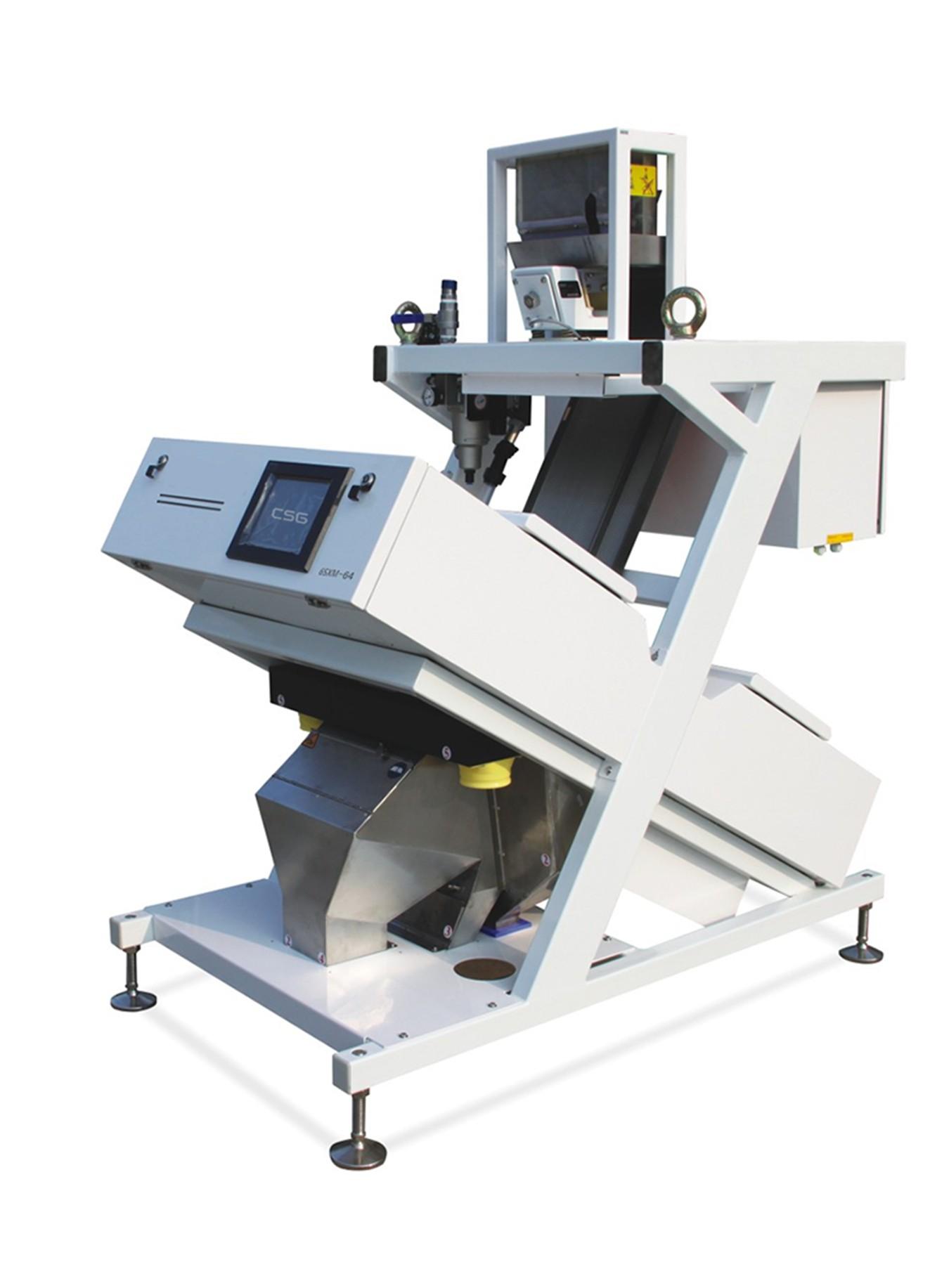
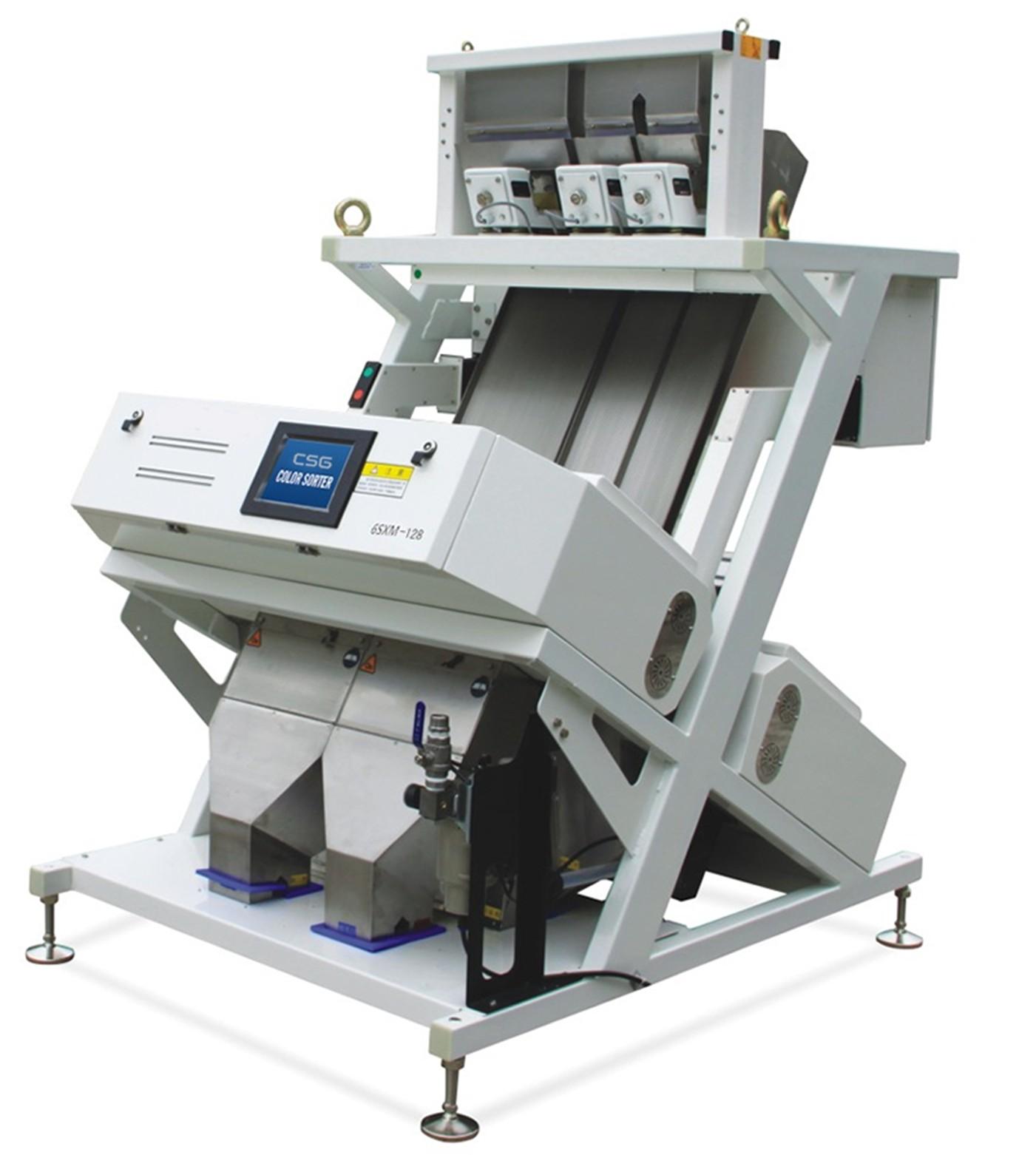
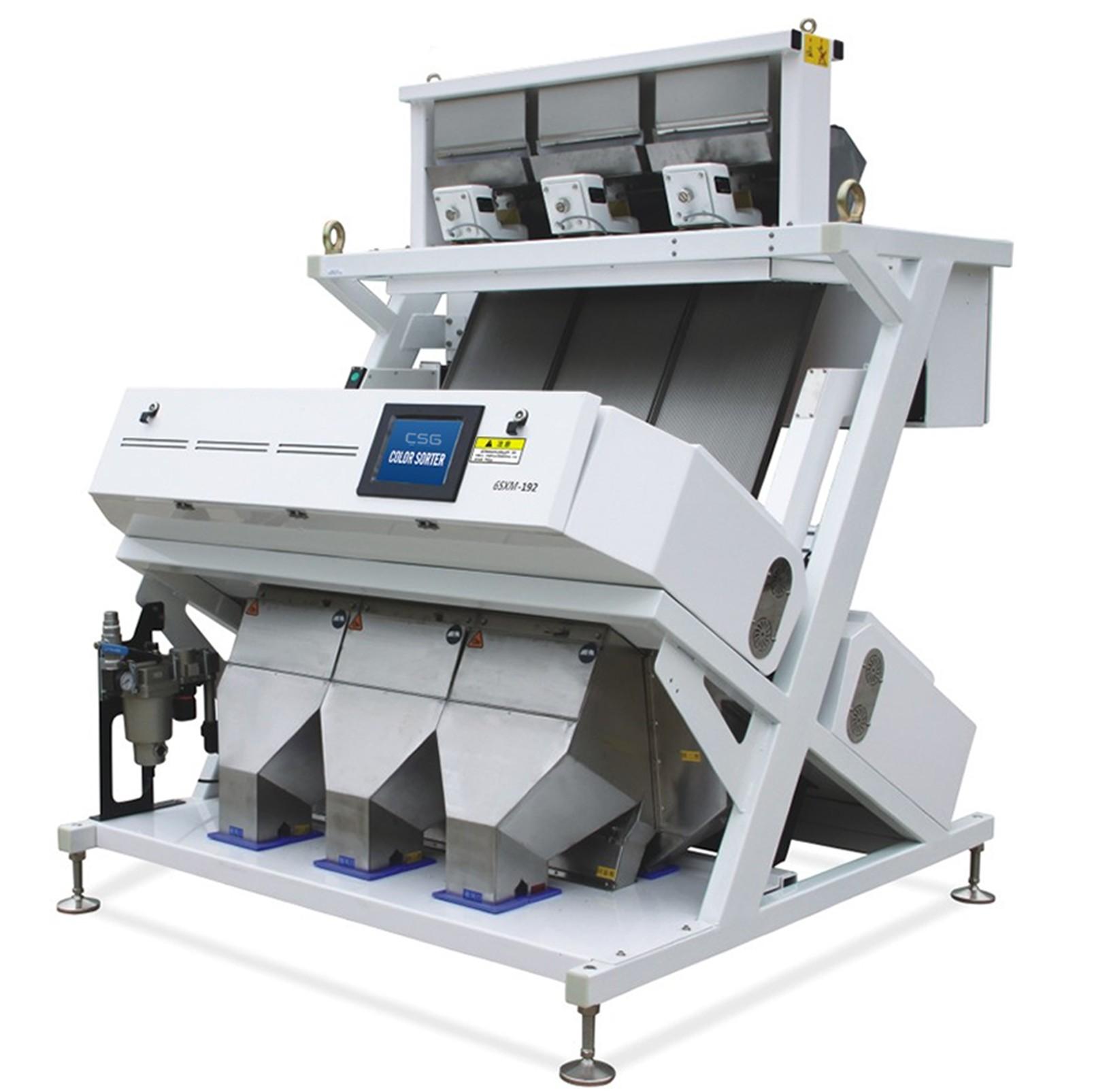
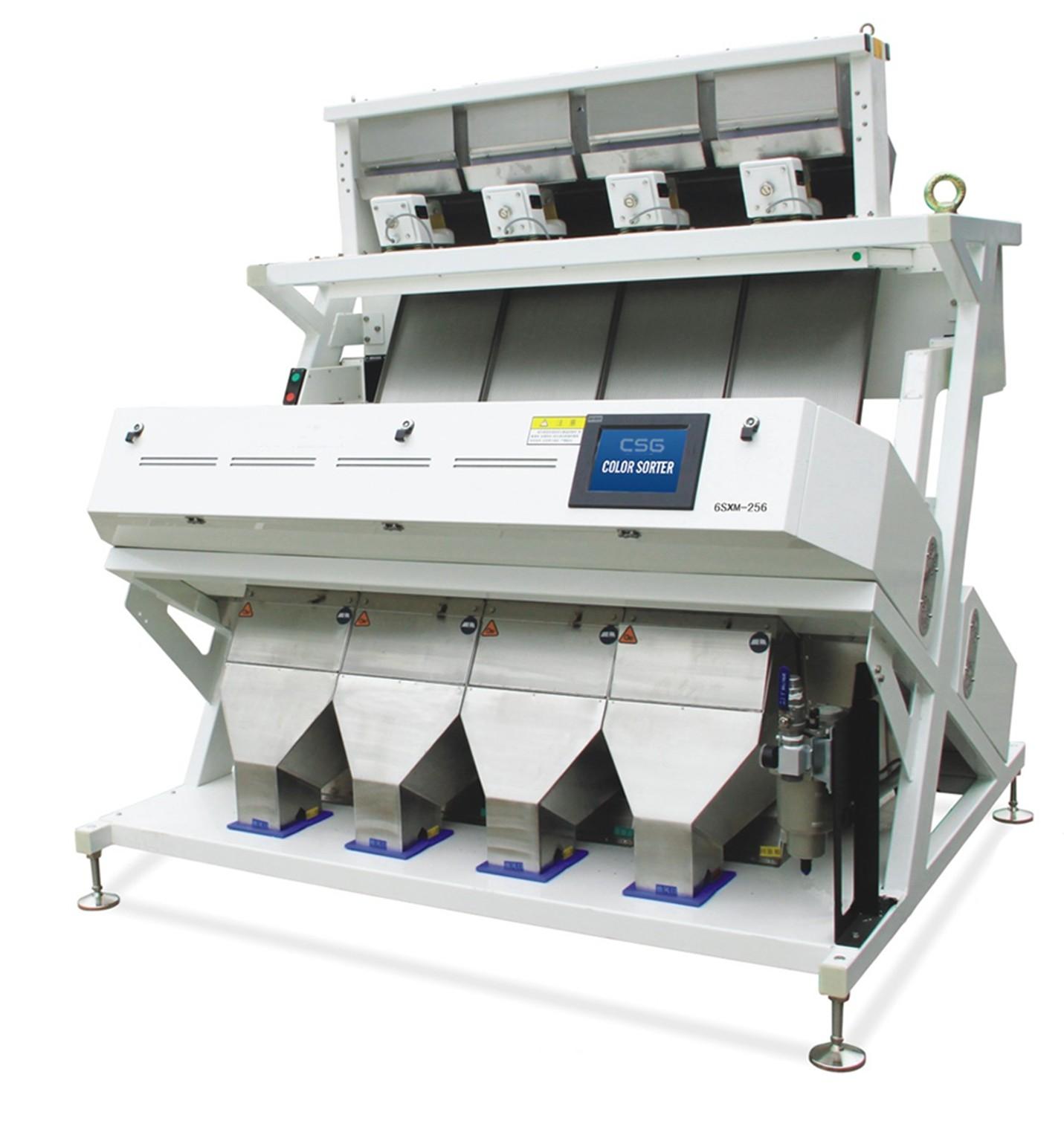
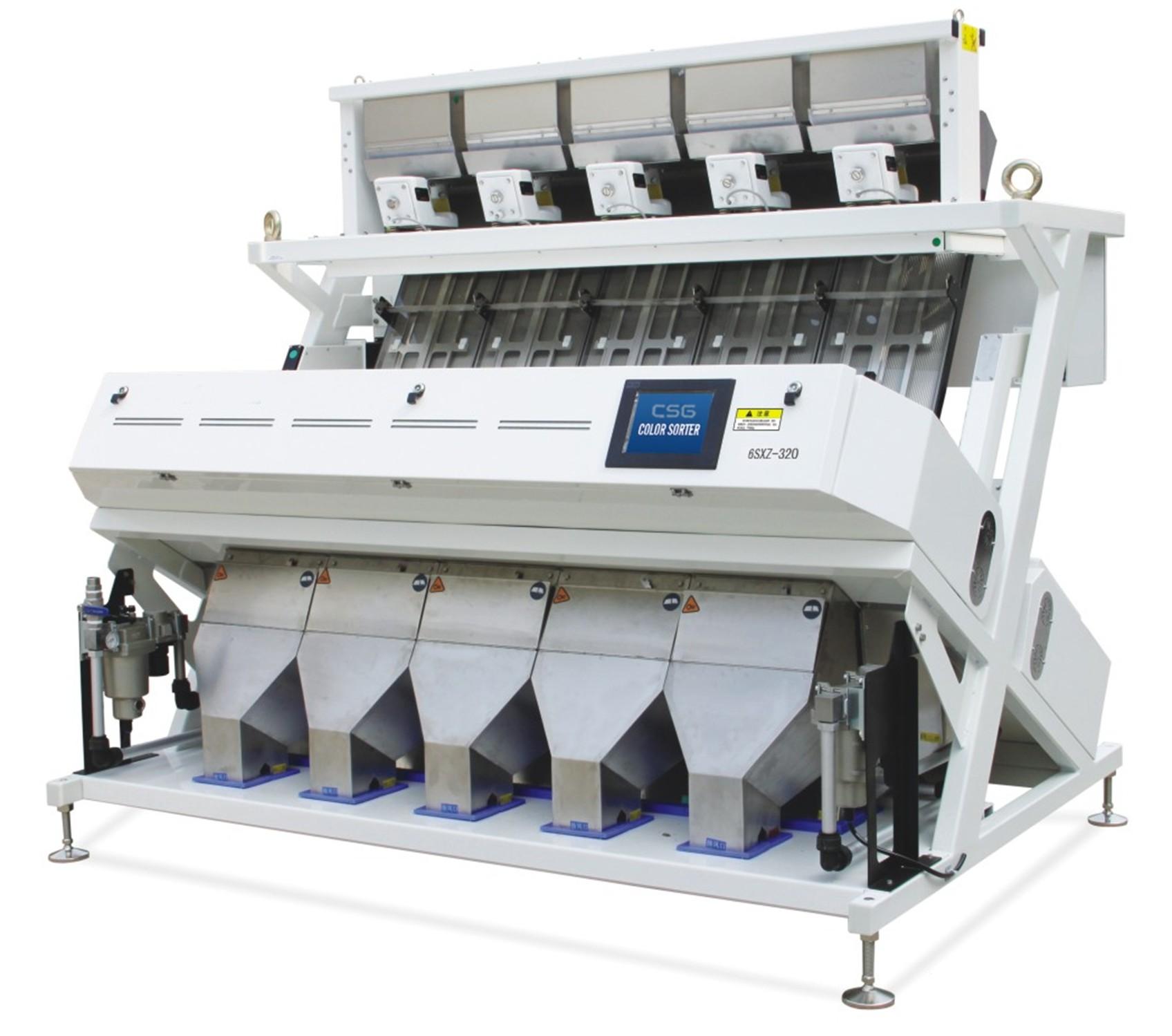
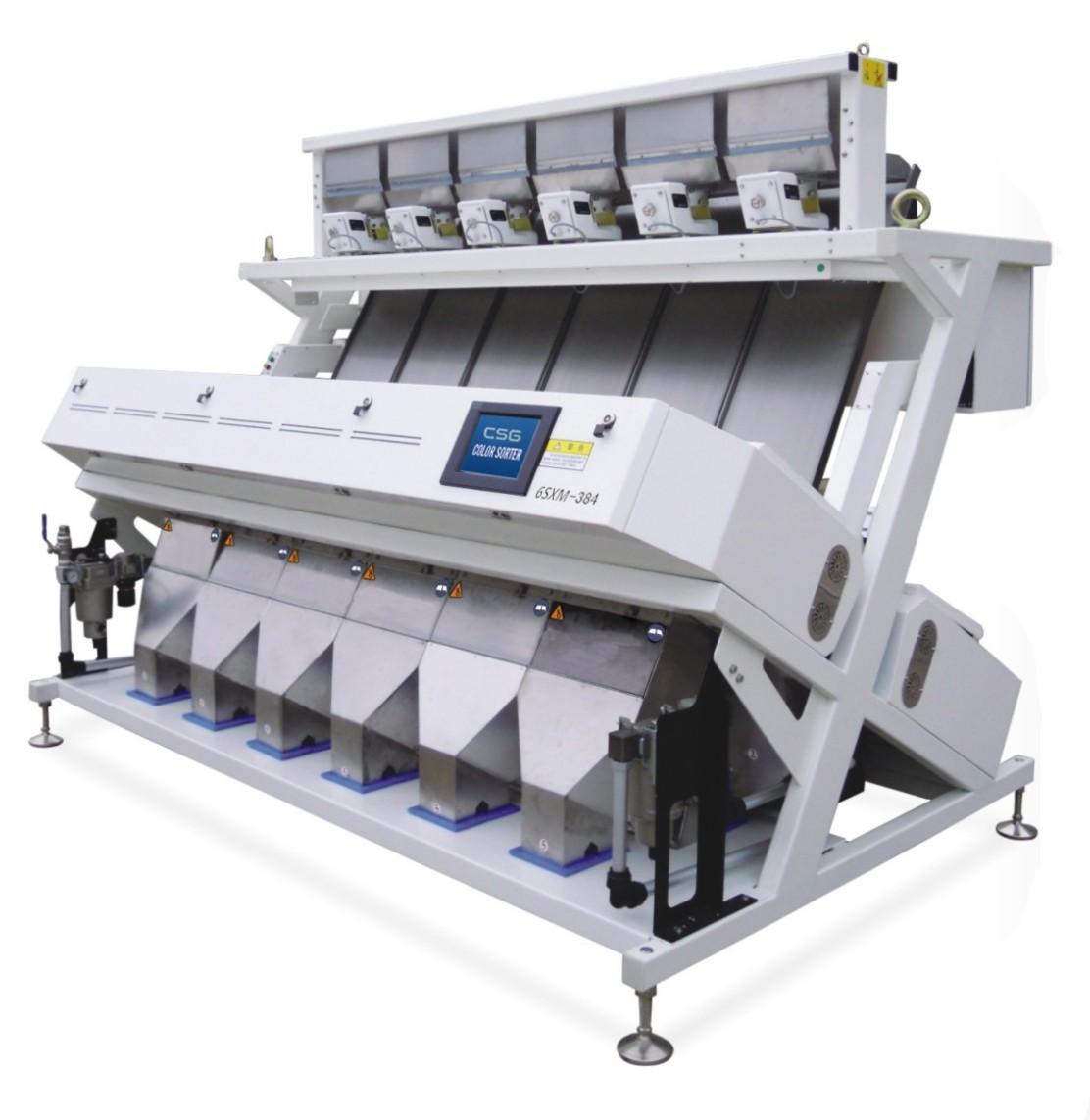
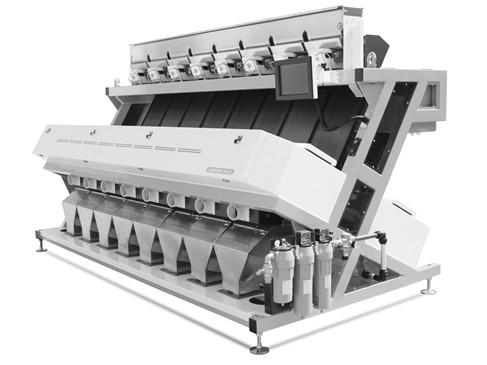
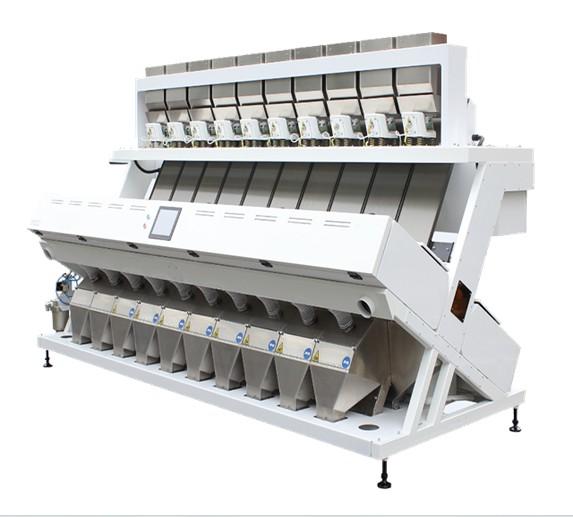
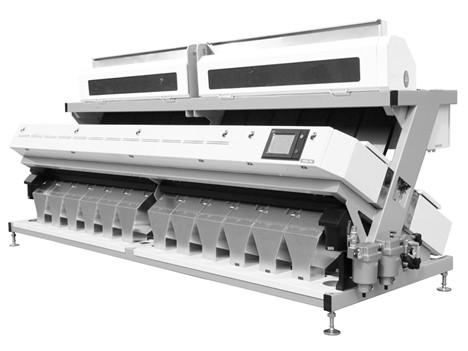
A seed color sorter is an advanced machinery system designed to enhance the quality and efficiency of seed processing. It utilizes cutting-edge optical and image recognition technology to precisely sort seeds based on color, shape, and surface characteristics, effectively removing impurities, off-color grains, moldy grains, and broken grains.
By integrating a seed color sorter into the processing line, seed producers can significantly improve the overall purity and germination rate of seeds, while simultaneously reducing waste and increasing processing efficiency and economic benefits.
How Does It Work?
Seed color sorters employ high-resolution CCD or CMOS cameras, precision optical systems, and advanced image processing algorithms. As seeds pass through the inspection area in a single layer, the cameras rapidly capture images of each individual seed. The system then analyzes features such as color, shape, texture, and size in real-time using its algorithms.
Once defective seeds or impurities are identified, the control system instantly activates high-speed ejector valves. By firing precise jets of compressed air, it removes the substandard particles from the product stream, ensuring only high-quality seeds proceed down the processing line.
Benefits of Using a Seed Color Sorter
1. Enhanced Seed Purity & Quality: By removing impurities and defective seeds, the sorter ensures high-purity seeds that meet strict quality and certification standards, directly contributing to better crop yields.
2. Improved Germination Rate: Eliminating immature, diseased, or damaged seeds results in a batch with a higher average germination rate, which is critical for farmers and seed companies.
3. Increased Processing Efficiency: Automation allows for high-speed, continuous, and consistent sorting, greatly increasing throughput and reducing labor costs compared to manual sorting.
4. Waste Reduction & Yield Maximization: Precise sorting minimizes the discard of good material, maximizing the usable yield from the raw seed lot and improving cost-effectiveness.
5. Versatility: Modern sorters can be easily programmed to handle various seed types (cereals, vegetables, pulses, flower seeds, etc.) by adjusting sensitivity and criteria for different defects.
Applications
Seed color sorters are critical in multiple stages of seed production and processing, including:
Pre-cleaning and Basic Impurity Removal
Grading by Color and Size
Removal of Diseased, Moldy, or Insect-Damaged Seeds
Separation of Immature or Green Seeds
Final Quality Control before Bagging or Packaging
They are indispensable equipment in modern seed processing plants, seed research centers, and cooperatives, ensuring the delivery of high-quality, reliable seeds to farmers worldwide.
Conclusion
Seed color sorters play a vital role in modern agriculture and seed technology. They offer comprehensive benefits—from drastically improving seed purity, germination rates, and overall quality to boosting processing efficiency and profitability. Investing in this sophisticated technology allows seed producers to elevate their standards, ensure consistent product excellence, and meet the rigorous demands of the global agricultural market.