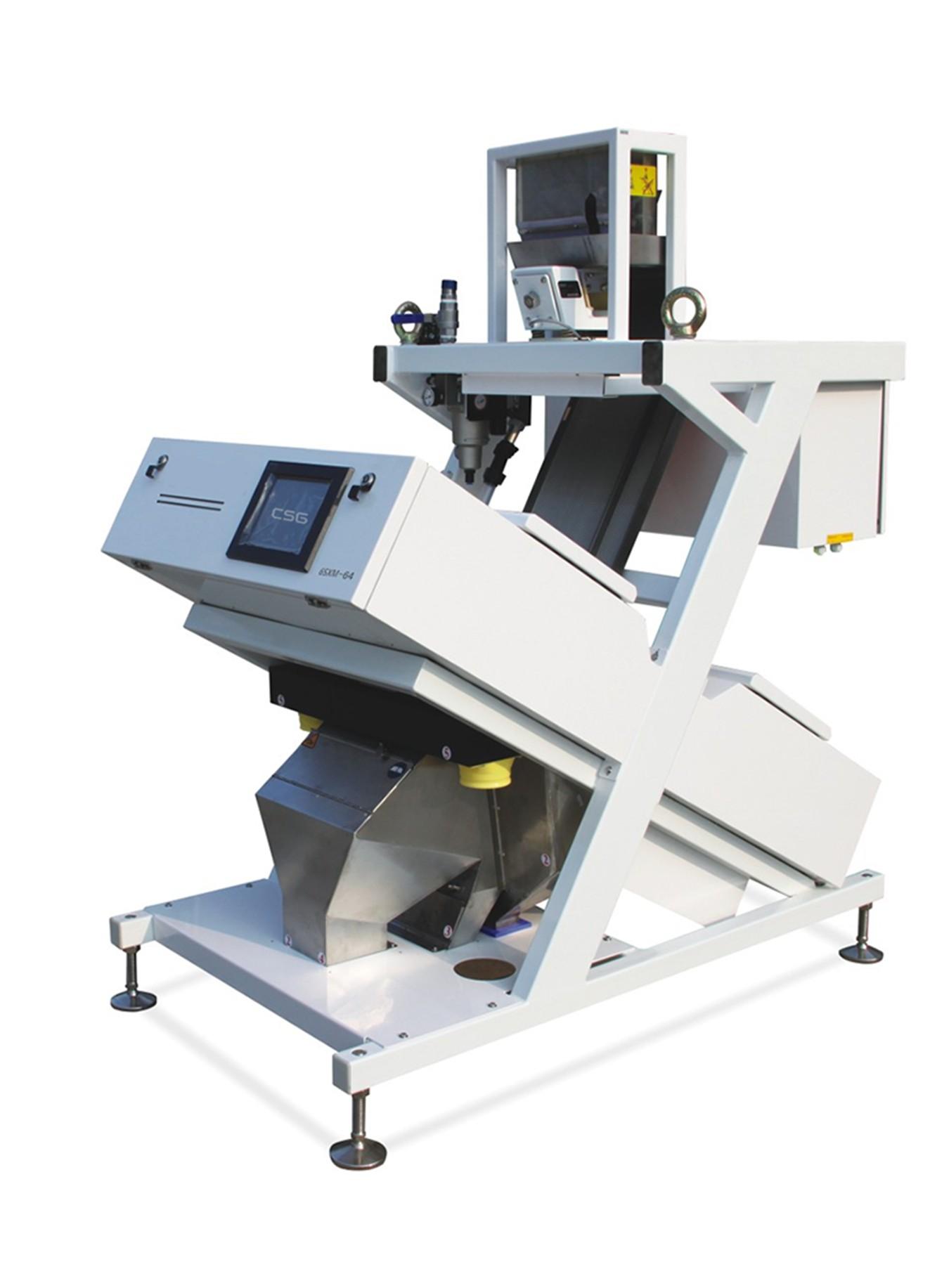
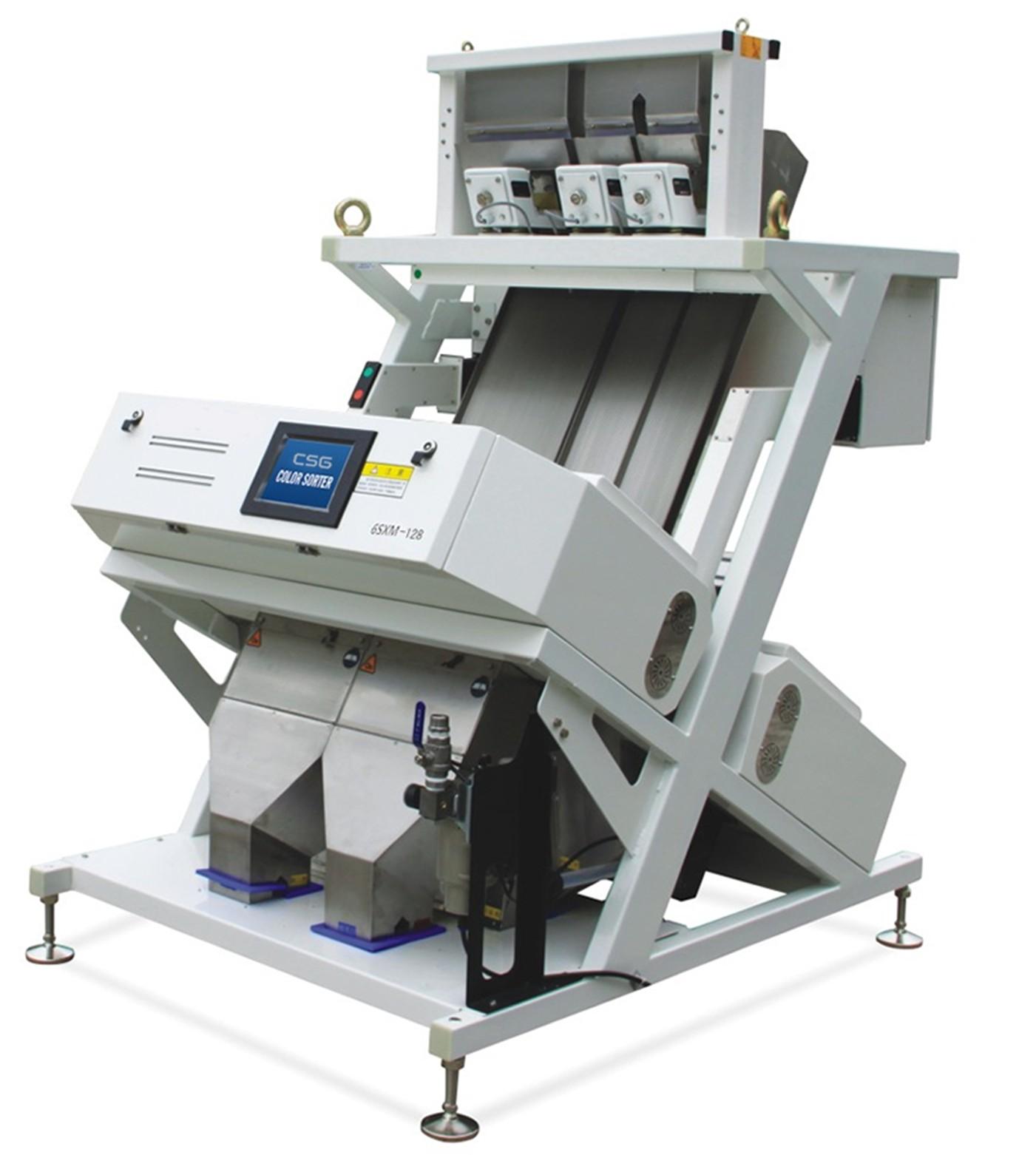
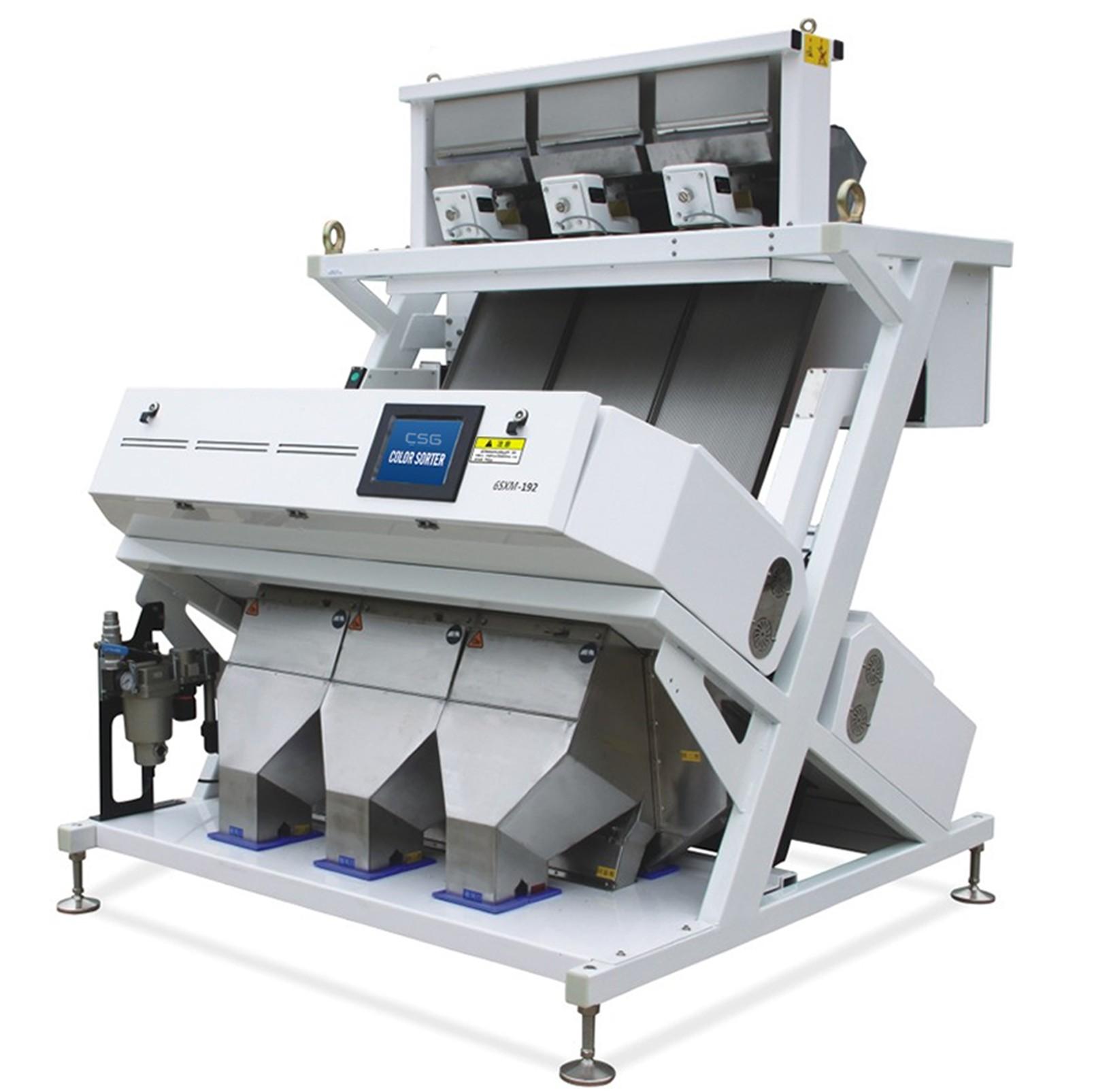
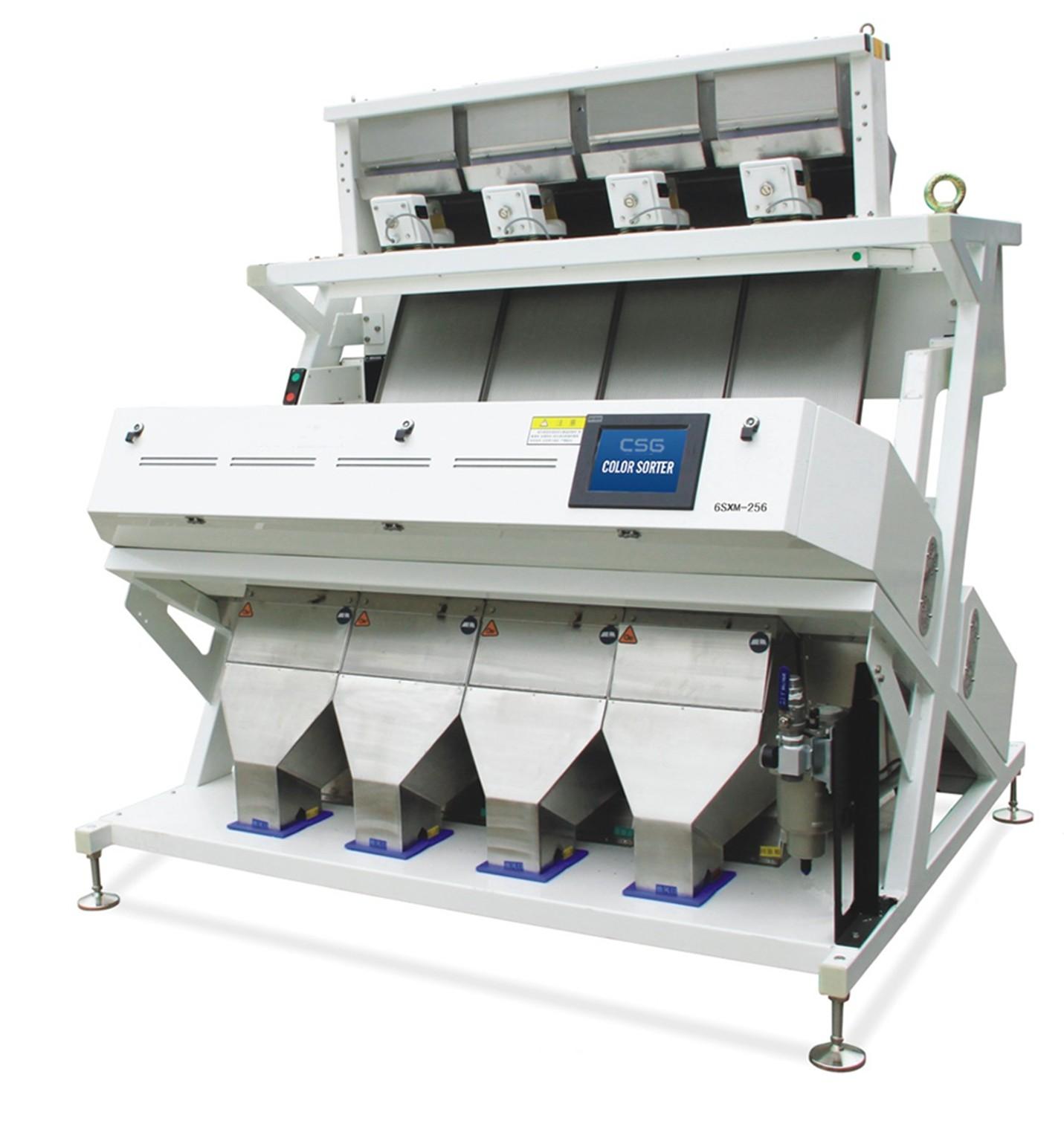
Optical Color Sorter Machine: Bringing Precision Sorting to Diverse Applications
Introduction to the Optical Color Sorter Machine
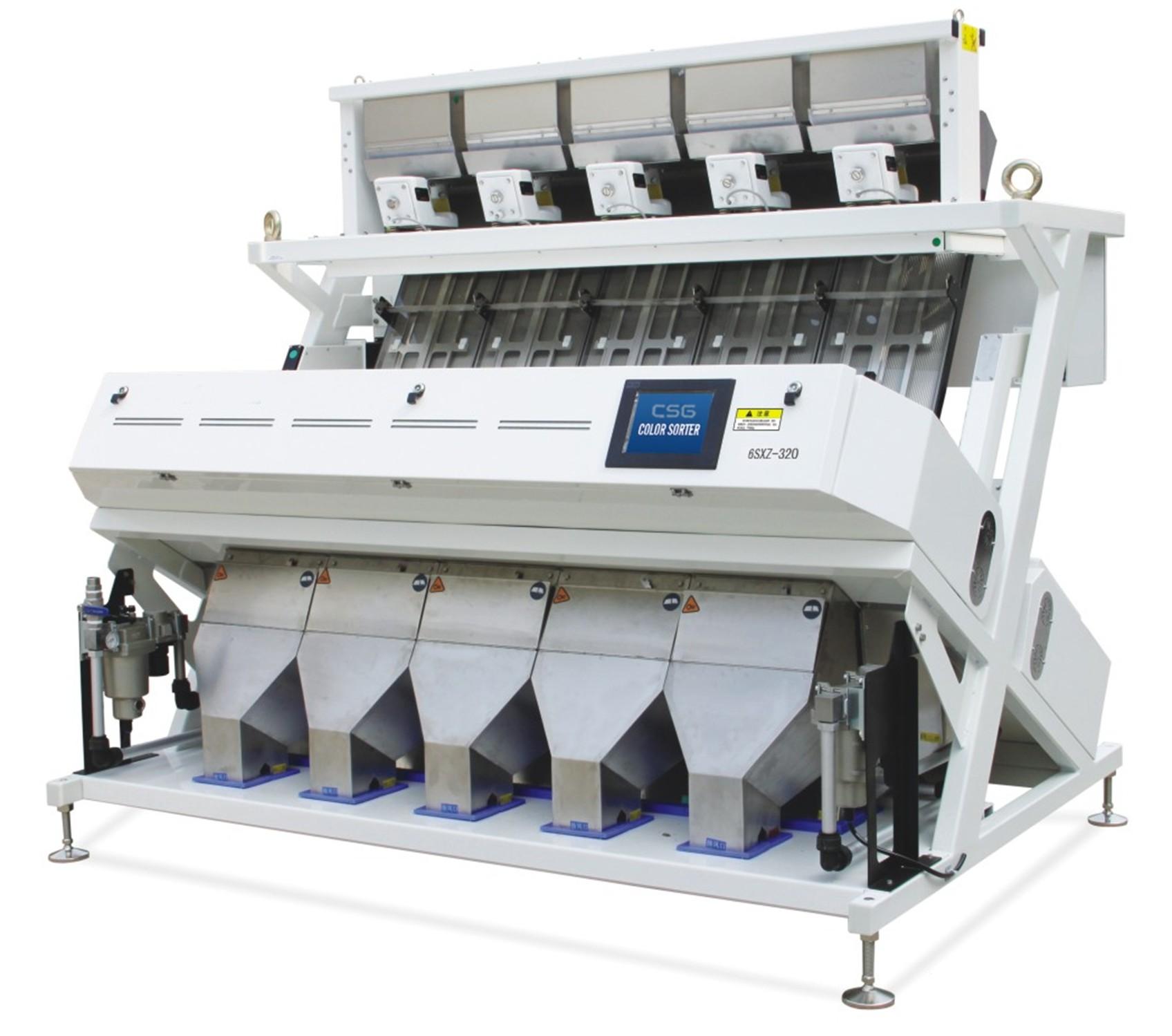
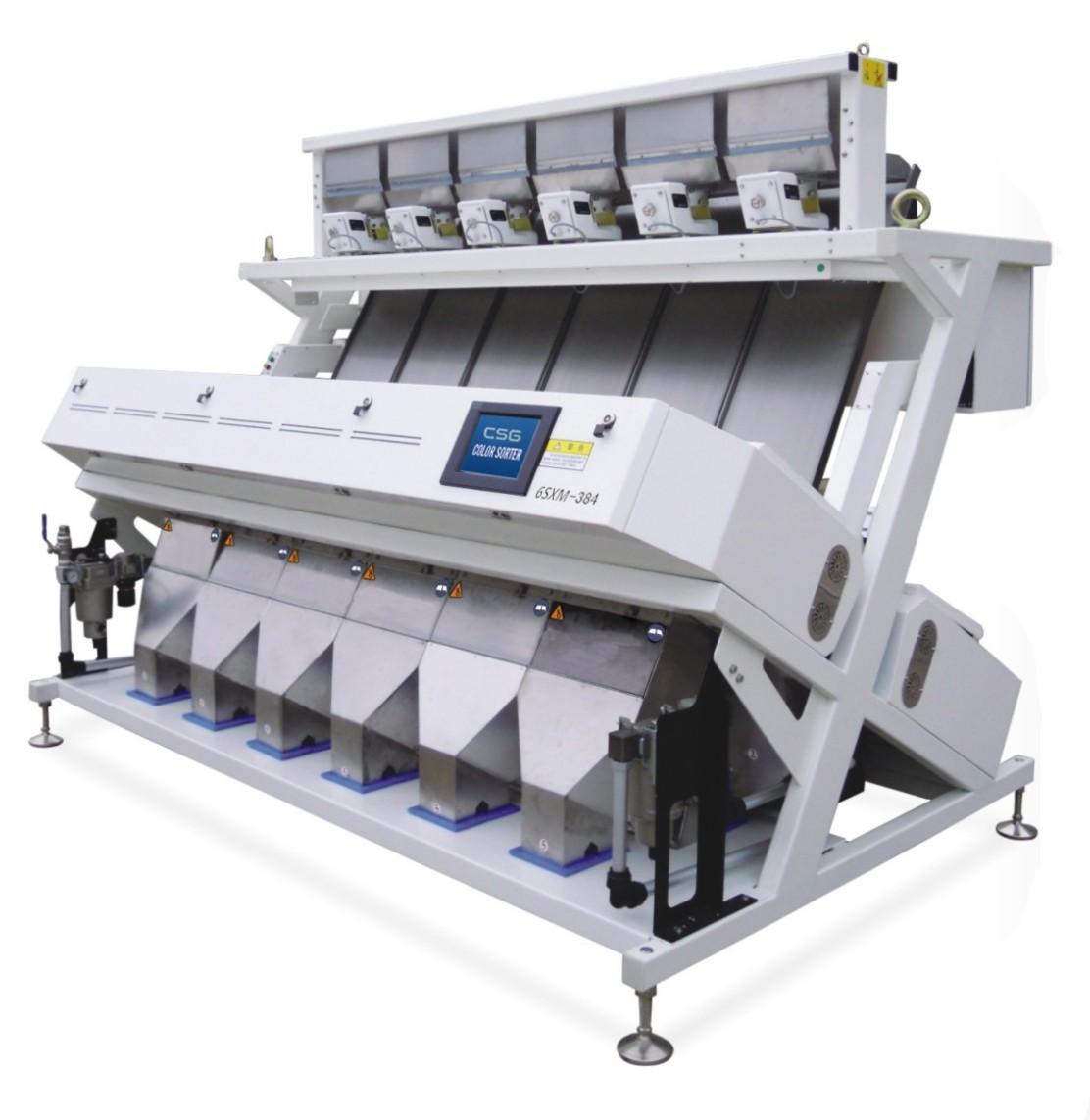
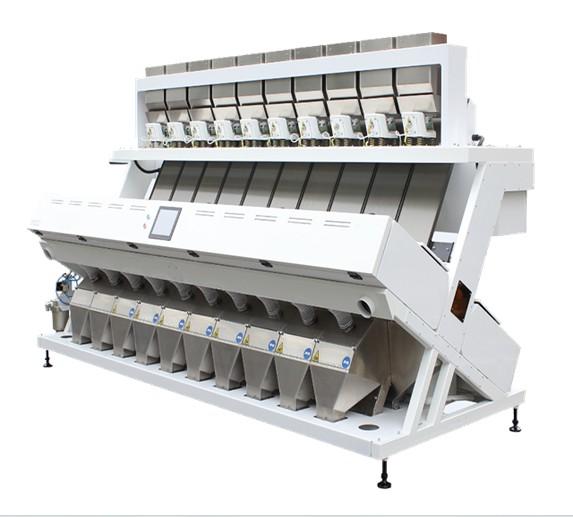
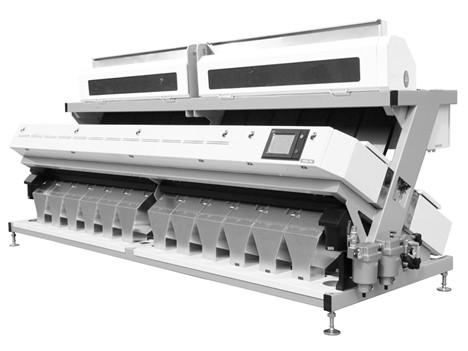
The Optical Color Sorter Machine is an advanced optical-electromechanical sorting solution engineered to deliver industrial-grade quality control across operations of various scales. It utilizes sophisticated electro-optical sensing and computing technology to achieve precise separation of granular materials based on color, shape, or structural defects.
By deploying an Optical Color Sorter Machine, business owners and processors can significantly enhance their final product quality, automate manual inspection labor, and add substantial value to their output, achieving superior consistency and purity that meets stringent market standards.
How Does the Optical Color Sorter Machine Work?
The Optical Color Sorter Machine operates on the fundamental principle of optical identification followed by precise mechanical separation. Material is fed into an illuminated optical chamber, where high-resolution cameras or hyperspectral sensors capture detailed images of each particle. Sophisticated image processing algorithms instantly analyze these images against user-defined acceptance criteria for color, brightness, and shape.
When a defective, off-color, or foreign particle is detected, the Optical Color Sorter Machine commands a precisely timed system of high-speed air ejectors to remove it from the main product stream. This entire process of scanning, decision-making, and ejection occurs within milliseconds, ensuring a clean, sorted product is collected with exceptionally high accuracy and efficiency, scalable to various industrial throughput requirements.
Key Benefits of the Optical Color Sorter Machine
1. Enhanced Product Quality & Purity: The Optical Color Sorter Machine ensures superior product consistency by reliably removing defects, foreign materials, and subtle color impurities that are often missed by human eyes, directly contributing to a higher-grade, more marketable output.
2. Operational Efficiency & Automation: It drastically reduces reliance on costly and inconsistent manual sorting, increasing overall processing throughput, lowering long-term labor costs, and virtually eliminating human error from the critical quality control process.
3. Flexible & Adaptable Performance: Designed for versatility, modern Optical Color Sorter Machines feature intuitive, user-friendly software interfaces for quick recipe changes, allowing operators to easily switch between different products and adjust sorting criteria with minimal downtime.
4. Broad Application Range: This core technology delivers high-precision sorting for a wide array of dry granular products, from agricultural commodities like grains, nuts, and seeds to recycled materials, industrial plastics, and mined minerals.
Primary Applications of the Optical Color Sorter Machine
The versatility of the Optical Color Sorter Machine makes it a critical asset in numerous processing and recycling applications, including:
Agricultural Processing: Sorting coffee beans, peanuts, rice, and various grains to remove defects, discolored items, stones, and foreign materials for improved food safety and market value.
Nut and Seed Industry: Cleaning and grading almonds, pistachios, sunflower seeds, and others by removing shells, skins, insect damage, and mold-damaged kernels to achieve premium product grades.
Food Production: Ensuring the purity and visual quality of legumes, spices, dehydrated fruits, and tea leaves by eliminating off-color products, stalks, and physical impurities.
Recycling & Plastics: Separating plastic flakes or granules by polymer type and color for efficient material recovery and high-value recycling processes, creating purer feedstock.
Industrial Minerals & More: Sorting minerals, quartz, synthetic powders, and other raw materials based on optical properties to achieve desired chemical and aesthetic purity levels for industrial use.
Conclusion
The Optical Color Sorter Machine is a pivotal technology for modern processing lines, enabling businesses to achieve unparalleled levels of product uniformity and operational automation. It represents a strategic investment for enhancing competitiveness through standardization and premiumization of output. Adopting an Optical Color Sorter Machine is a decisive step toward greater efficiency, robust quality assurance, and sustainable growth for any operation focused on delivering superior, optically sorted materials.
Articles about Optical Color Sorter Machine
Traditional Algorithm Color Sorters vs. AI Deep Learning Color Sorters: How Large Is the Gap in Actual Sorting Performance?
This article compares traditional algorithm color sorters with AI deep learning sorters, analyzing performance gaps in accuracy, throughput, recovery rates, and business value across various...
Articles about Optical Color Sorter Machine
Chute-Type vs. Belt-Type Color Sorters: A Comparative Guide for Material-Specific Selection
Compare chute and belt color sorters for different materials. Analysis of gravity-fed vs conveyor designs, performance data, economic factors, and selection criteria for agricultural and mineral...
Articles about Optical Color Sorter Machine
Analyzing the Price Determinants of a Color Sorter Machine: A Guide to Value-Driven Investment
Analyze the key price determinants of a color sorter machine, including optical systems, mechanics, and material factors. Learn why sample testing with a supplier is essential to get an accurate quote...
Articles about Optical Color Sorter Machine
Recycled Plastic Color Sorter: PET Flake & Granule Sorting for High-Purity Recycling
Discover how plastic color sorters revolutionize PET flake and granule recycling. Learn core technology, types, functions, and ROI for achieving high-purity recycled plastic
Articles about Optical Color Sorter Machine
Optical Color Sorter: A Complete Guide to Working Principle and Recognition Logic
Complete technical guide explaining how optical color sorters work, from feeding systems and camera sensors to AI recognition algorithms and pneumatic ejection. Learn the science behind automated...
Articles about Optical Color Sorter Machine
Complete Guide to Color Sorter Specifications and Pricing for Different Processing Plants
Complete guide to color sorter specifications and pricing tailored for small, medium, and large processing plants. Understand key parameters, cost factors, and how to select the optimal machine for...