Fruit Color Sorter: Optimizing Fruit Quality and Processing Efficiency
Introduction to Fruit Color Sorter
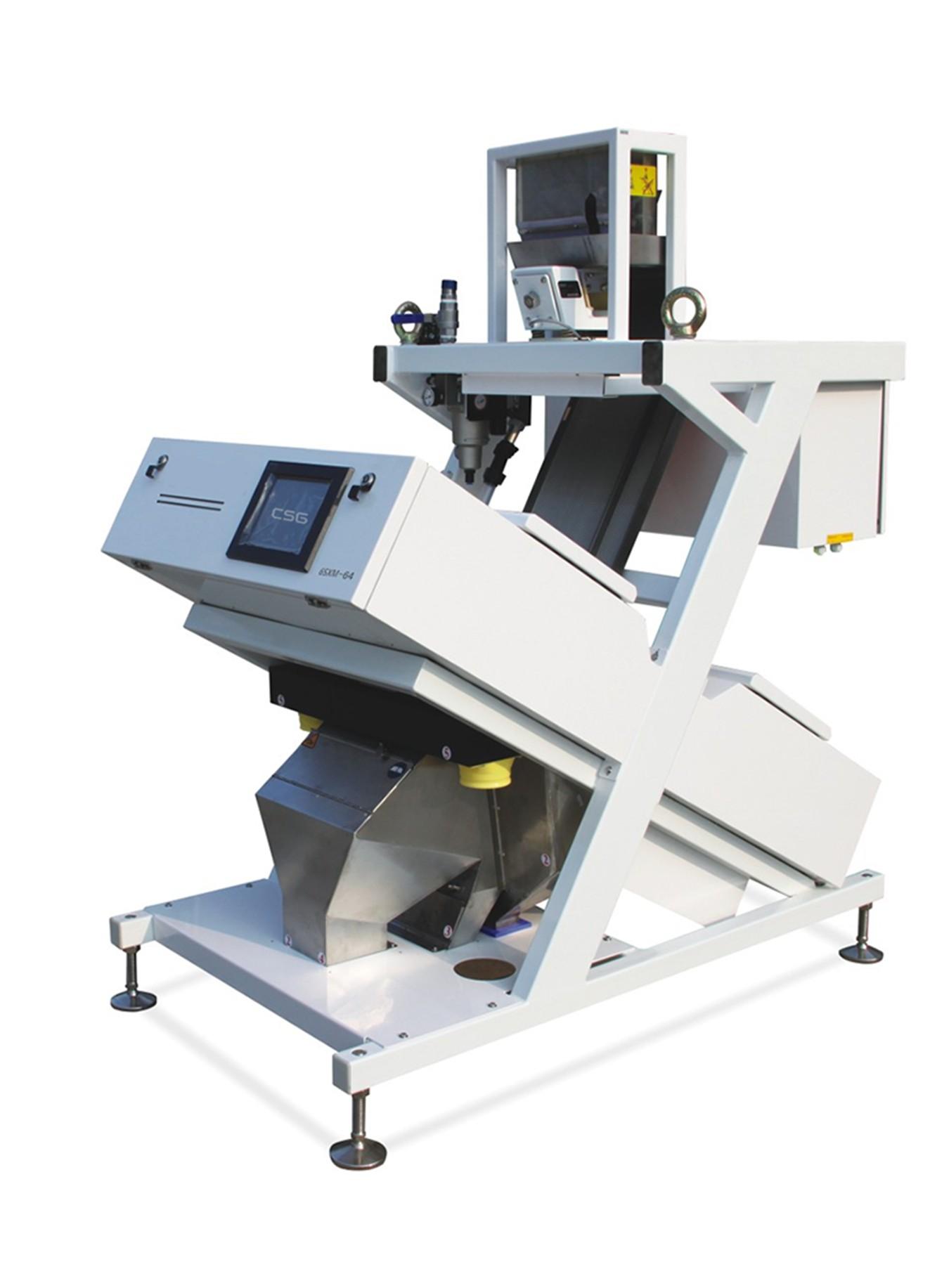
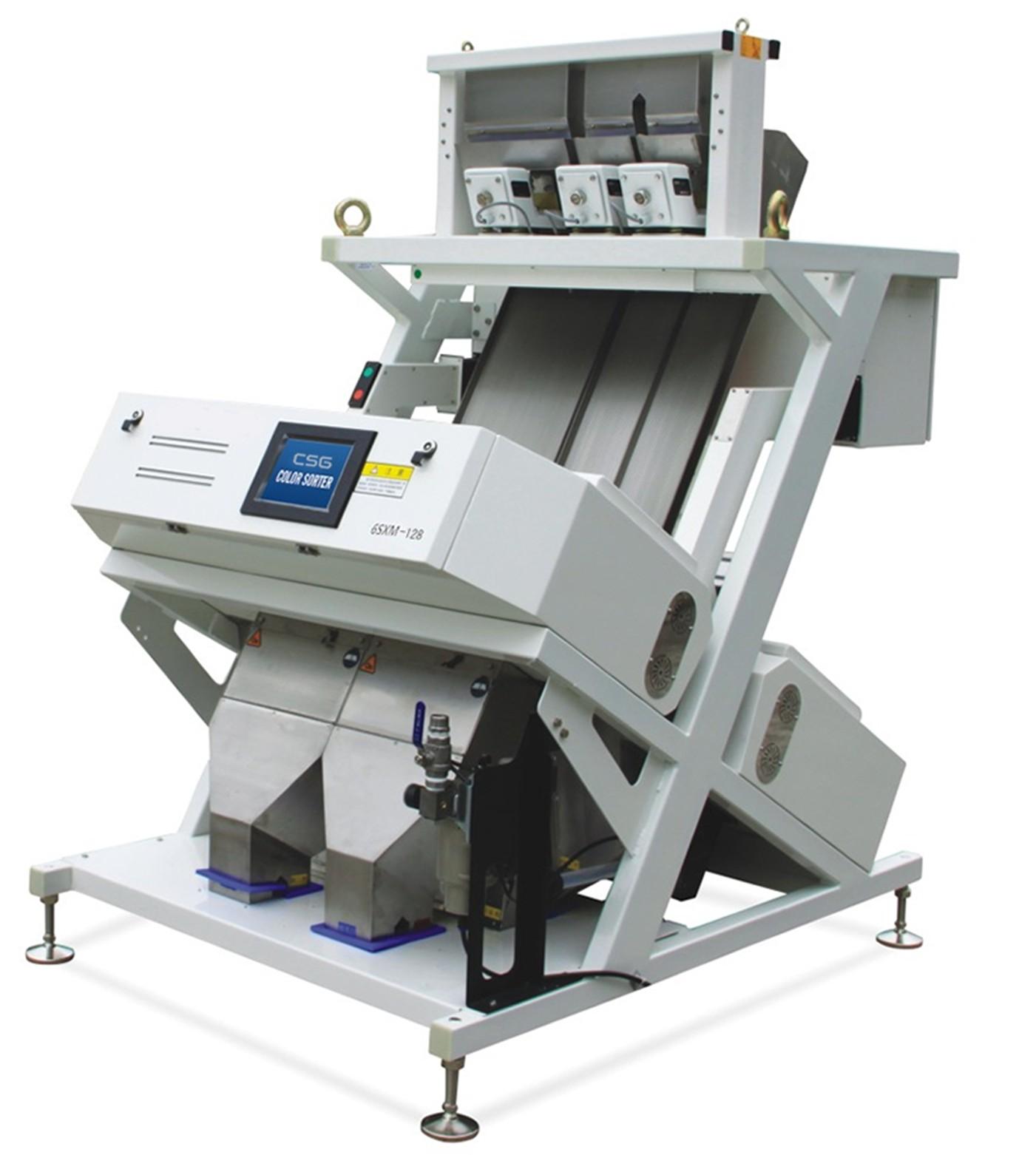
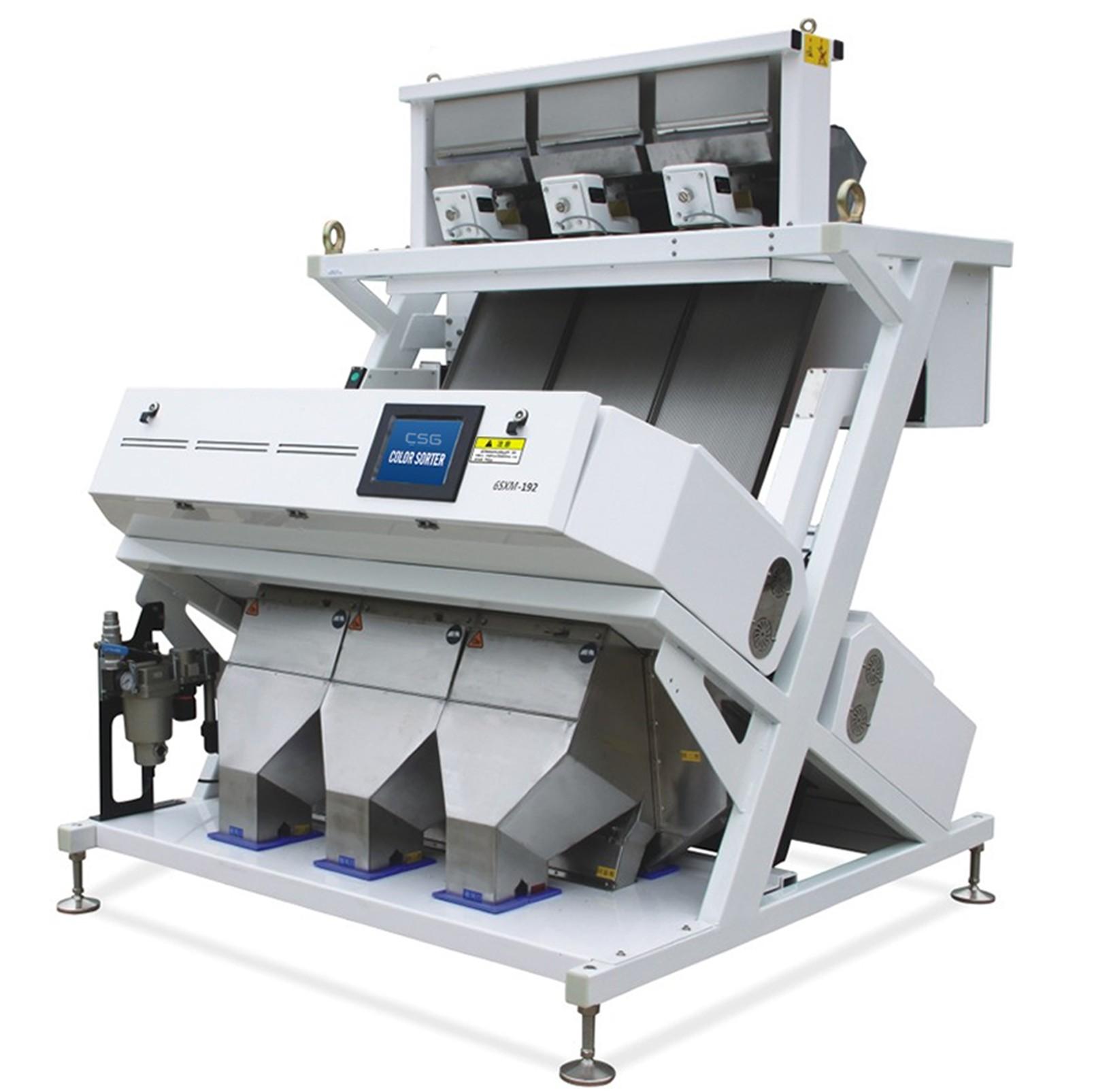
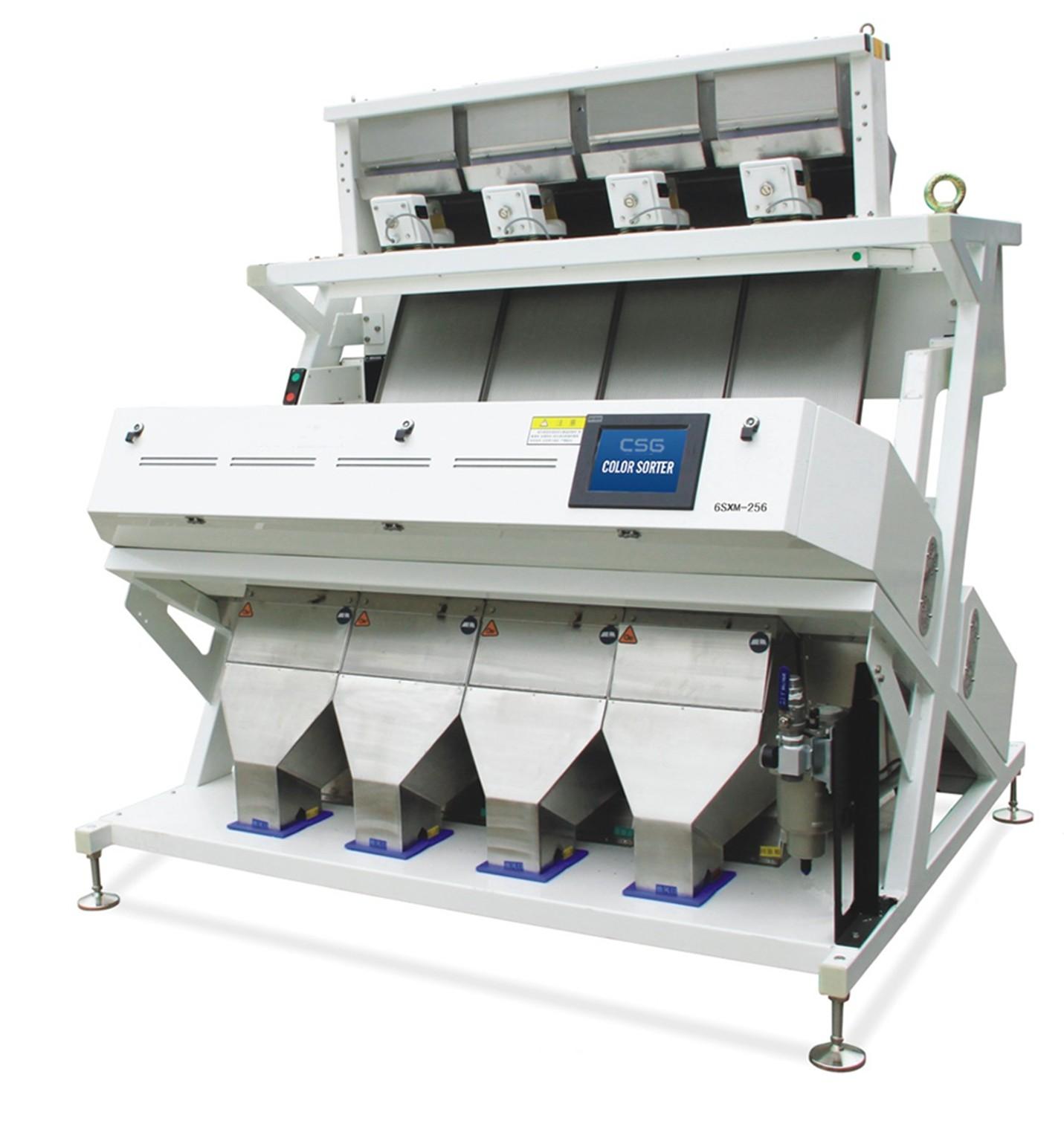
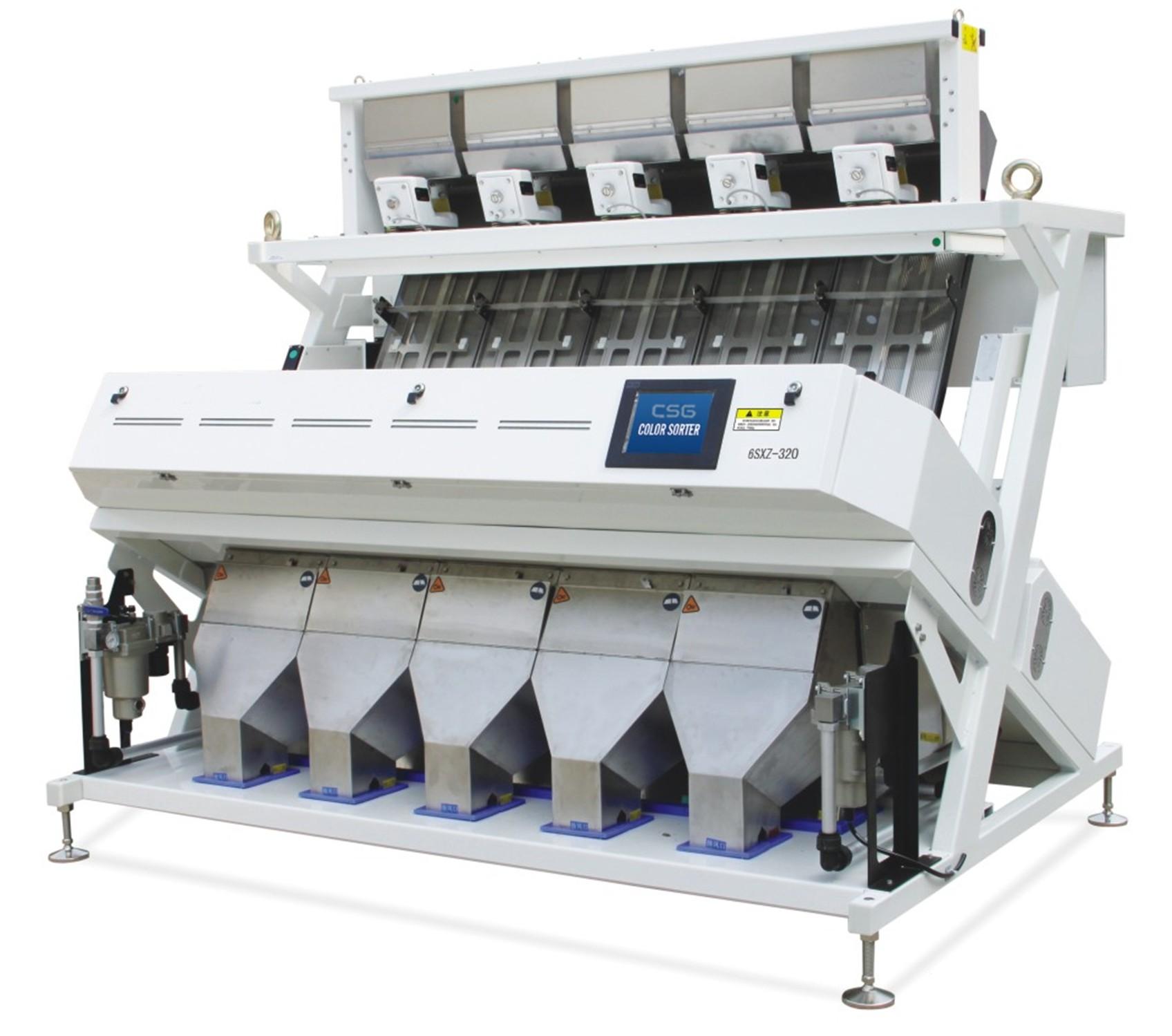
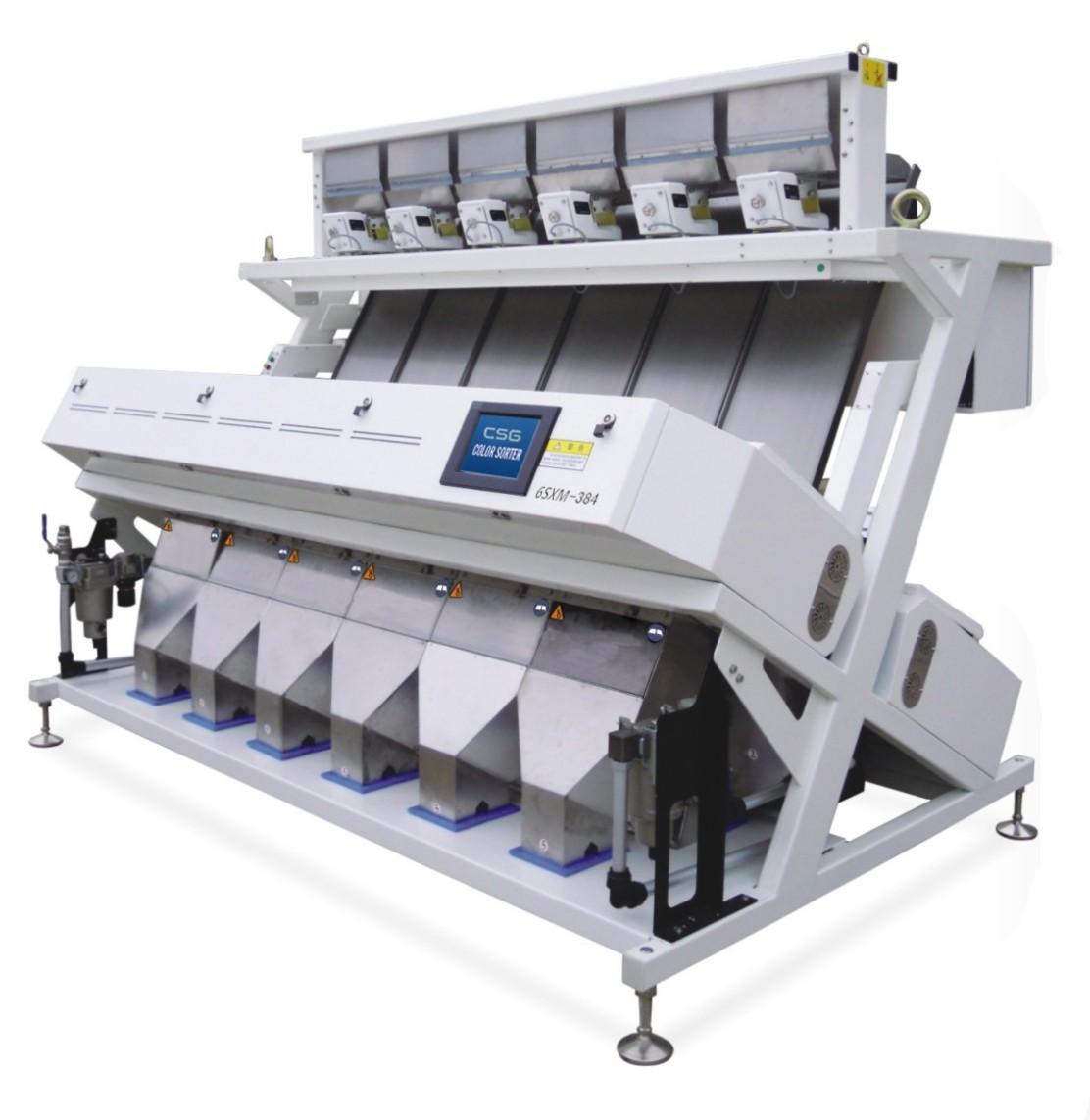
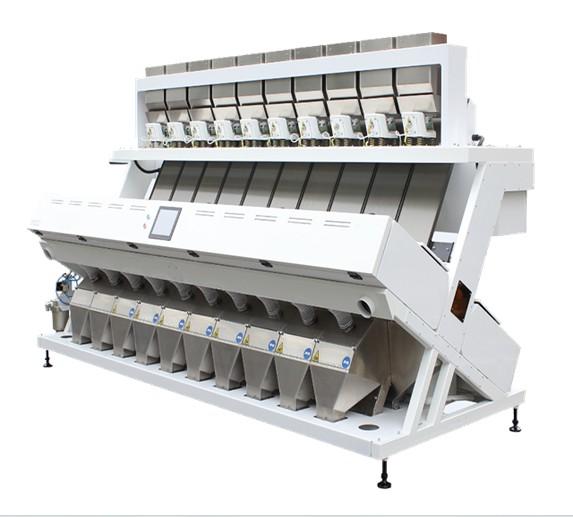
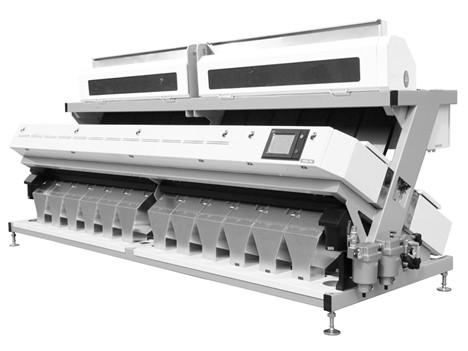
A fruit color sorter is an advanced machinery system designed to enhance the quality and efficiency of fruit processing. It utilizes cutting-edge optical, spectral, and image recognition technology to precisely sort fruits based on external color, size, shape, and surface defects, as well as internal qualities like sugar content and blemishes.
By integrating a fruit color sorter into the processing line, packhouses and processors can significantly improve the consistency, market value, and shelf life of fruit products, while simultaneously reducing labor costs and increasing throughput and profitability.
How Does It Work?
Fruit color sorters employ high-resolution cameras, advanced lighting systems, and near-infrared (NIR) or hyperspectral sensors. As fruits pass through the inspection area—often on rollers or belts for optimal viewing—the sensors capture comprehensive data on each piece. The system then analyzes features such as color profile, size, shape, and spectral signature in real-time using sophisticated algorithms.
Once a fruit is identified as defective (bruised, rotten, underripe), the wrong color, or the wrong size, the control system instantly activates a rejection mechanism. This can be high-speed air ejectors, mechanical pushers, or diverter arms, which remove the substandard fruit from the product stream, ensuring only high-quality produce proceeds to packaging.
Benefits of Using a Fruit Color Sorter
1. Enhanced Product Quality & Consistency: By removing defective, underripe, or overripe fruits, the sorter ensures uniform batches that meet strict market and retail standards, commanding higher prices.
2. Improved Shelf Life & Reduced Waste: Eliminating bruised or decaying fruit at the processing stage prevents the spread of mold and spoilage during transport and storage, dramatically reducing waste.
3. Increased Processing Efficiency & Speed: Automation allows for high-speed, 24/7 sorting at volumes impossible to achieve manually, dramatically increasing throughput and reducing reliance on seasonal labor.
4. Data-Driven Grading & Traceability: Modern sorters provide detailed data on yield, size distribution, and defect rates, enabling better business decisions and offering traceability for quality control.
5. Versatility & Precision: Machines can be programmed to handle various fruit types (citrus, apples, berries, tomatoes, etc.) and sort based on multiple criteria simultaneously, including internal sweetness, for ultra-precise grading.
Applications
Fruit color sorters are critical in multiple stages of the post-harvest supply chain, including:
Primary Sorting after Washing and Drying
Grading by Color, Ripeness, and Size for Different Market Values
Removal of Defective Fruit with Bruises, Rots, Scars, or Insect Damage
Internal Quality Sorting based on Sugar Content (Brix) or Dry Matter
Final Quality Control before Packing for Retail or Export
They are indispensable equipment in modern fruit packhouses, cooperative centers, and large-scale processing plants, ensuring the delivery of premium, consistent, and reliable fruit to consumers worldwide.
Conclusion
The fruit color sorter plays a vital role in modern horticulture and food processing. It offers comprehensive benefits—from drastically improving fruit quality, consistency, and shelf life to boosting processing efficiency, profitability, and sustainability. Investing in this sophisticated technology allows growers and processors to maximize the value of their crop, ensure product excellence, and meet the rigorous quality demands of today's global market.
Articles about Fruit Sorting
Advanced Optical Sorting Technology for Premium Fruit Processing
Discover how high-end fruit color sorting machines enhance premium processing with optical technology, multispectral analysis, and AI-driven grading for superior quality and efficiency.