Blueberry Color Sorter: Optimizing Berry Quality and Processing Efficiency
Introduction to Blueberry Color Sorter
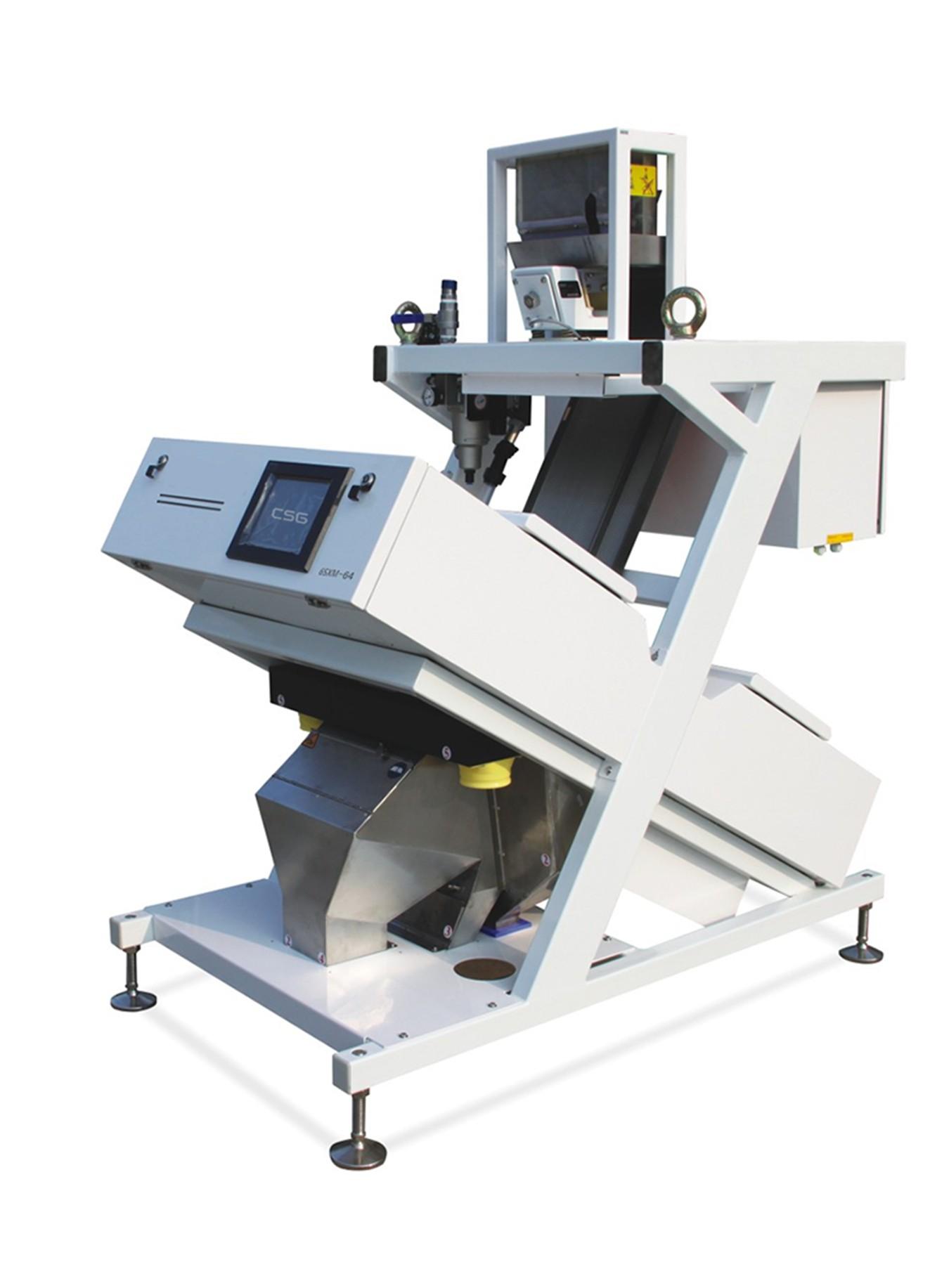
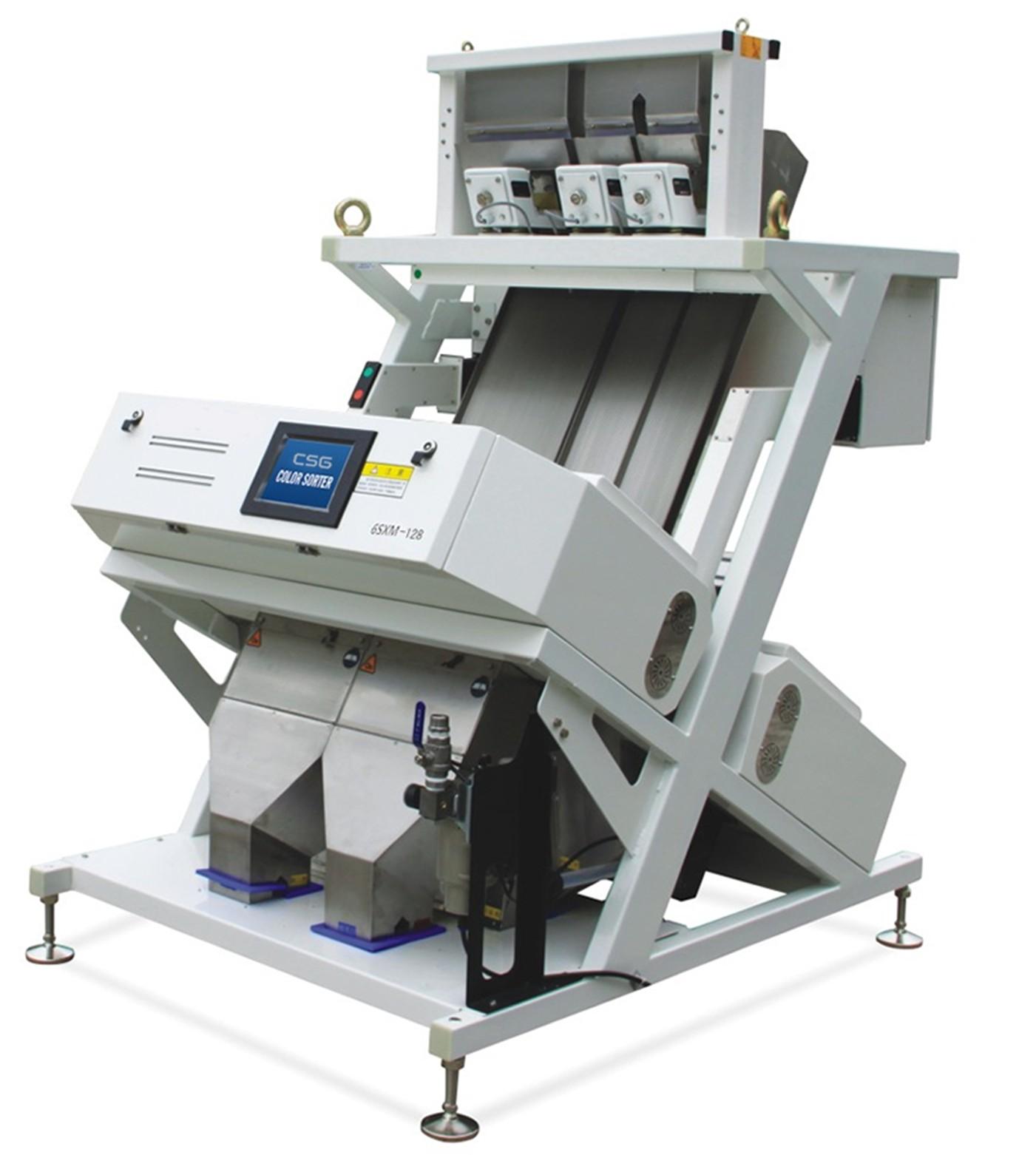
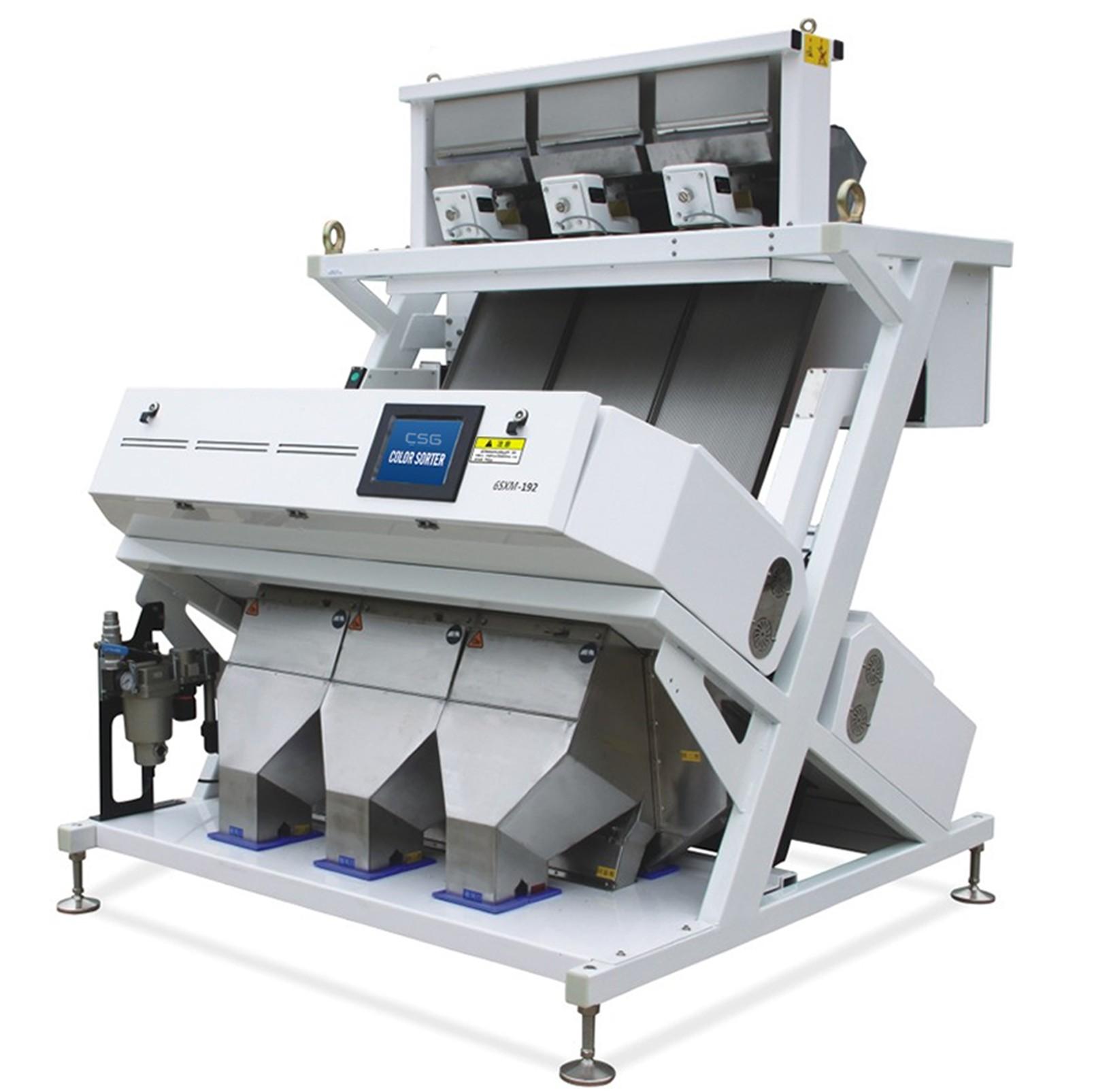
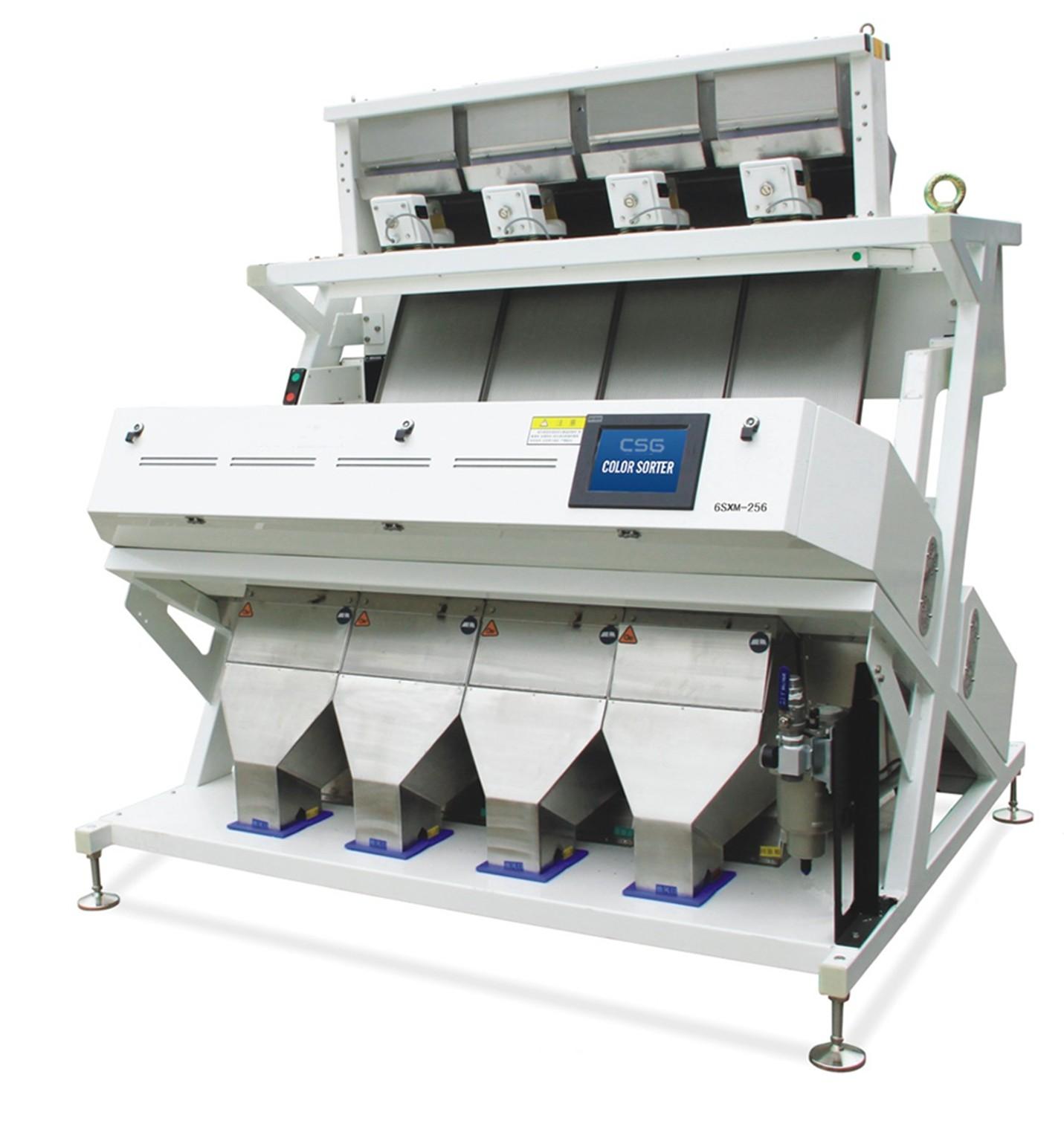
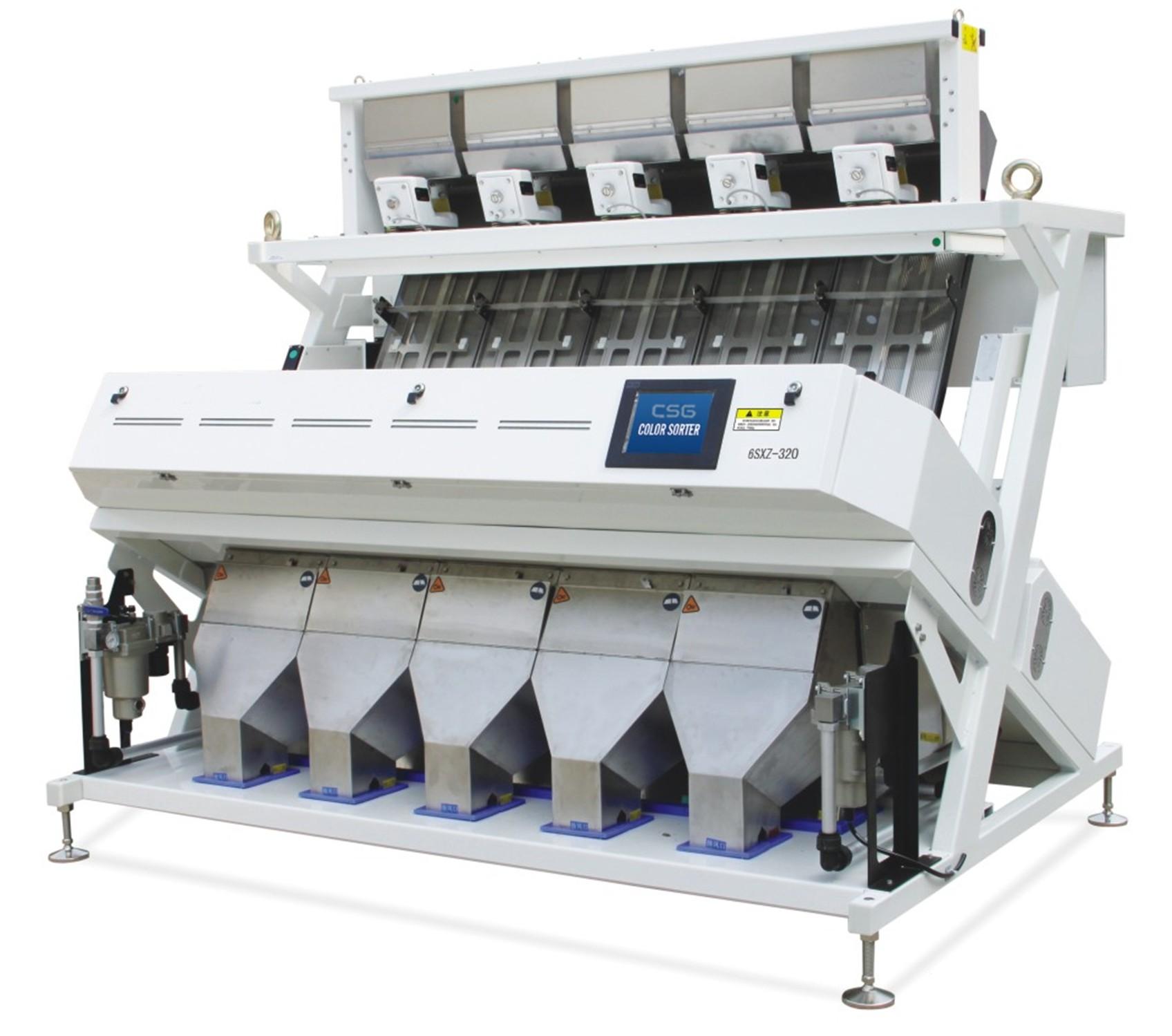
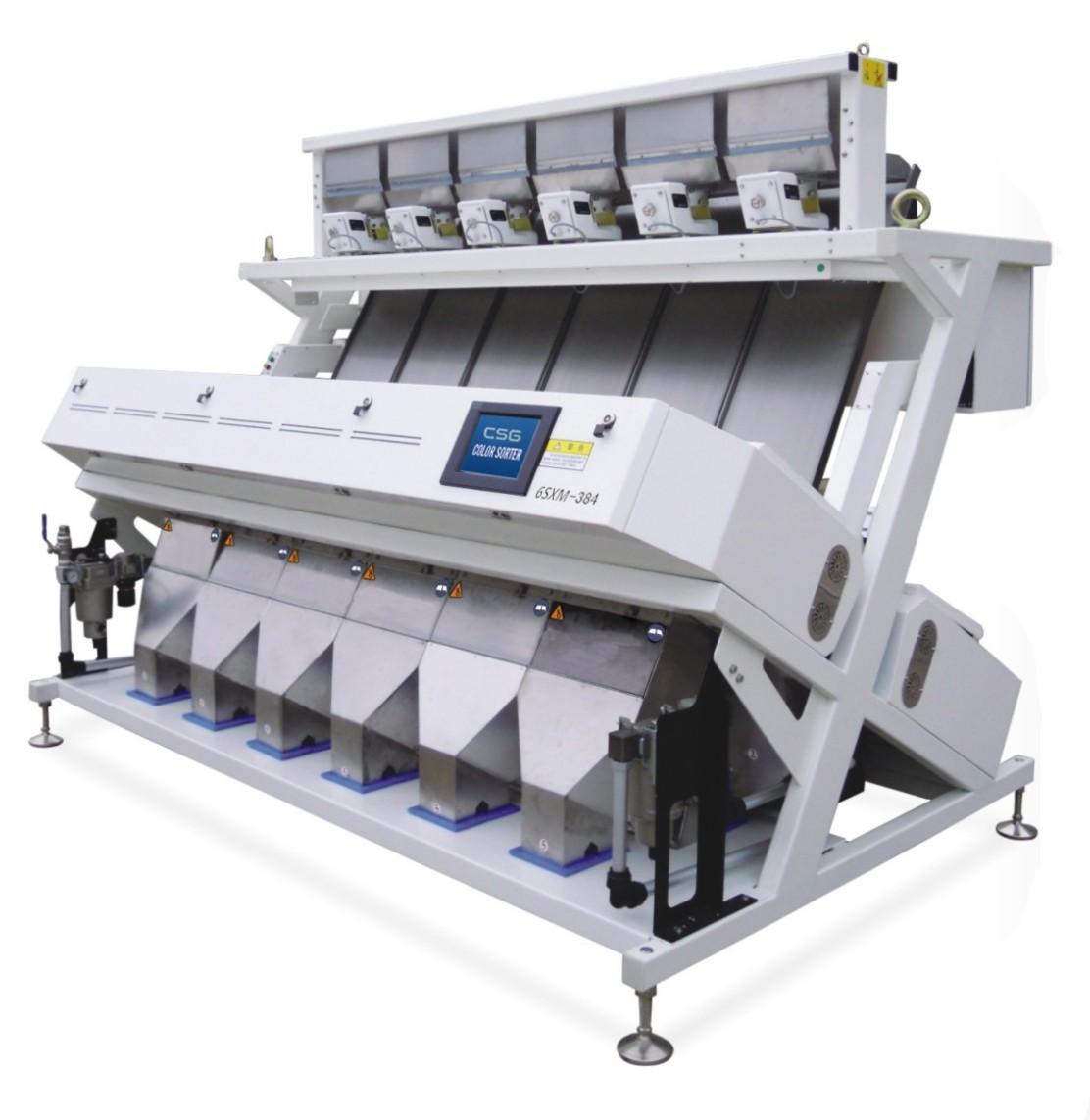
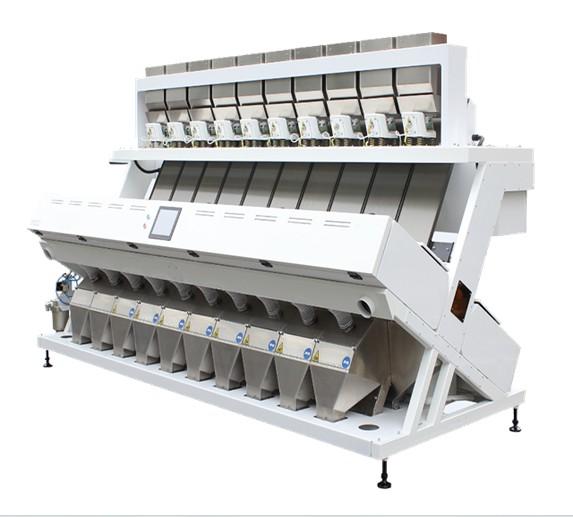
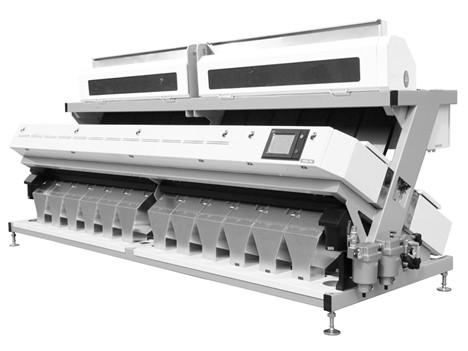
A Blueberry Color Sorter is an advanced optical inspection machinery system designed to enhance the quality and efficiency of blueberry processing. It utilizes cutting-edge multispectral imaging, high-resolution cameras, and intelligent recognition technology to precisely sort blueberries based on external color, size, shape, and surface defects, as well as internal qualities like sugar content (Brix) and hidden blemishes through near-infrared (NIR) spectral analysis.
By integrating a blueberry color sorter into the processing line, packhouses and processors can significantly improve the consistency, market value, and shelf life of blueberry products, while simultaneously reducing labor costs and increasing throughput and profitability. The technology has become indispensable for meeting the exacting visual and quality standards of premium fresh markets, export destinations, and value-added processing applications worldwide.
How Does It Work?
Blueberry color sorters employ high-resolution CCD or CMOS cameras, advanced LED lighting systems, and near-infrared (NIR) or hyperspectral sensors. As blueberries pass through the inspection area—often on specialized rollers or gentle belt conveyors optimized for small fruit and single-layer presentation—the sensors capture comprehensive data on each individual berry. The system then analyzes features such as color profile, size, shape, surface texture, and spectral signature in real-time using sophisticated AI-powered algorithms.
Once a blueberry is identified as defective (bruised, rotten, underripe, overripe), the wrong color, the wrong size, or containing foreign material, the control system instantly activates a rejection mechanism. This is typically a high-speed air ejector that precisely removes the substandard berry from the product stream without disturbing adjacent good berries, ensuring only high-quality blueberries proceed to packaging.
Blueberry Defect Detection by Grade Application
| Grade Application | Common Defects & Foreign Materials | Min. Defect Size | Detection Rate | Recommended Sensor Setup | Key Sorting Challenge | Typical Throughput |
|---|---|---|---|---|---|---|
| 🫐 Premium Fresh Export Grade | Underripe red berries · Overripe soft berries · Bruising · Scars · Insect damage · Calyx attachment · Stems · Leaves · Foreign material | ≥ 0.15 mm | ≥ 99.5% | RGB + NIR · Multi-angle cameras · Gentle roller/belt handling · Hyperspectral optional | Small fruit size inspection · Delicate skin handling · Subtle color variation detection · Calyx vs. stem differentiation · Bloom preservation | 0.5-3 t/h |
| 🫐 Standard Retail Grade | Soft berries · Minor bruising · Slight color variation · Small size berries · Foreign material · Leaves · Stems · Shriveled berries | ≥ 0.2 mm | ≥ 99.3% | RGB + NIR · Multi-angle · Size grading algorithms | Consistent size and color for retail clamshells · Firmness correlation with spectral data · Balanced throughput and accuracy | 0.5-3 t/h |
| 🫐 Processing / IQF Grade | Mold · Rot · Decayed berries · Foreign material · Stones · Plastic fragments · Stems · Leaves · Green berries · Insect larvae | ≥ 0.2 mm | ≥ 99.7% | RGB + NIR · UV fluorescence · Optional X-ray · High-sensitivity defect detection | Mold and rot detection for food safety · Foreign material elimination · High-volume continuous processing · IQF compatibility | 1-5 t/h |
| 🫐 Value-Added Products | Internal defects · Brix below threshold · Soft/spongy texture · Foreign material · Stems · Leaves · Calyx · Insect damage | ≥ 0.15 mm | ≥ 99.4% | RGB + NIR · Hyperspectral · Internal quality sensing | Internal sweetness (Brix) prediction · Firmness estimation without contact · Premium dried/juice feedstock selection | 0.5-2 t/h |
Benefits of Using a Blueberry Color Sorter
By removing defective, underripe, or overripe berries, the sorter ensures uniform batches that meet strict market and retail standards, commanding higher prices in premium fresh and export markets.
Eliminating bruised or decaying berries at the processing stage prevents the spread of mold and spoilage during transport and storage, dramatically reducing waste throughout the supply chain.
Automation allows for high-speed, 24/7 sorting at volumes impossible to achieve manually, dramatically increasing throughput and reducing reliance on seasonal labor during peak harvest periods.
Modern sorters provide detailed data on yield, size distribution, and defect rates, enabling better business decisions and offering traceability for quality control across every batch processed.
Blueberry Quality Grade Classification
| Grade | Designation | Max Defect Rate | Visual Quality Characteristics | Typical Market Application | Price Position | Quality Parameters |
|---|---|---|---|---|---|---|
| A | Premium Export Grade | ≤ 1.0% | Uniform deep blue color with natural bloom · Diameter ≥ 12mm · Firm texture · Zero bruises or scars · No calyx or stem attachment · No red or green berries · Consistent size distribution | Premium fresh export · High-end retail clamshells · Gift packaging · Air-freight markets · Luxury food service | Top Tier +30-50% | Brix ≥ 12° · Firmness ≥ 280 g/mm · USDA Grade A · EU Class I |
| B | Standard Retail Grade | ≤ 3.0% | Generally uniform blue color · Diameter ≥ 8mm · Minor color variation acceptable · Slight softness tolerated · Occasional calyx within limit · Sound wholesome berries | Supermarket retail · Domestic wholesale · Food service supply · Standard clamshell packs · Everyday fresh consumption | Standard Market Price | Brix ≥ 10° · Firmness ≥ 220 g/mm · USDA Grade B · EU Class II |
| C | Processing / IQF Grade | ≤ 5.0% | Mixed sizes accepted · Color variation tolerated · Soft berries acceptable for processing · Foreign material must be removed · No rot or mold permitted · Suitable for freezing or processing | IQF frozen blueberries · Jam and preserve manufacturing · Juice and puree production · Dried blueberry processing · Baking and ingredient supply | Economy -15-25% | Brix ≥ 8° · Food safety compliant · Suitable for thermal processing |
Applications
Blueberry color sorters are critical in multiple stages of the post-harvest supply chain, from initial receiving through to final value-added processing. The versatility of modern optical sorting platforms allows packhouses to handle multiple blueberry varieties and quality specifications with rapid changeover capability.
They are indispensable equipment in modern blueberry packhouses, cooperative centers, and large-scale processing plants, ensuring the delivery of premium, consistent, and reliable berries to consumers worldwide. From small-scale family farms with packing operations to multinational fruit export companies, optical sorting technology provides the consistent, verifiable quality assurance that modern blueberry supply chains demand.
Technical Highlights for Blueberry Applications
Purpose-built roller or belt systems designed for berries as small as 8mm. Individualized singulation ensures each berry receives complete optical inspection without contact damage or bruising during the sorting process.
Hyperspectral and NIR sensors non-destructively estimate internal Brix levels and firmness, enabling separation of sweet premium berries from lower-sugar fruit—creating new value-added product tiers beyond external appearance alone.
Comprehensive recipe library stores optimized sorting parameters for different blueberry varieties (Duke, Bluecrop, Elliott, etc.), growing regions, and customer specifications—enabling rapid changeover with consistent results.
Food-grade stainless steel construction with smooth surfaces and minimal crevices. IP65 washdown-rated components enable thorough sanitation between batches, supporting food safety compliance and preventing cross-contamination.
Conclusion
The blueberry color sorter plays a vital role in modern horticulture and food processing. It offers comprehensive benefits—from drastically improving berry quality, consistency, and shelf life to boosting processing efficiency, profitability, and sustainability. Investing in this sophisticated technology allows growers and processors to maximize the value of their crop, ensure product excellence, and meet the rigorous quality demands of today's global market.
As consumer expectations for premium fresh blueberries continue to rise—and as international markets demand increasingly strict quality, size, and food safety standards—the role of advanced optical sorting technology becomes not just advantageous but essential. From primary post-harvest cleaning to final pre-packaging inspection, the blueberry color sorter ensures consistency at every stage, helping packhouses minimize labor costs, maximize pack-out rates, and confidently deliver the premium berry experience that consumers expect.
Articles about Blueberry Color Sorter
Blueberry Color Sorter Solutions for Unripe and Defective Berry Removal
Discover blueberry color sorter solutions that remove unripe, overripe, and defective berries with 99.99% accuracy. Compare belt-fed vs chute-fed configurations, throughput capacities, and ROI for...