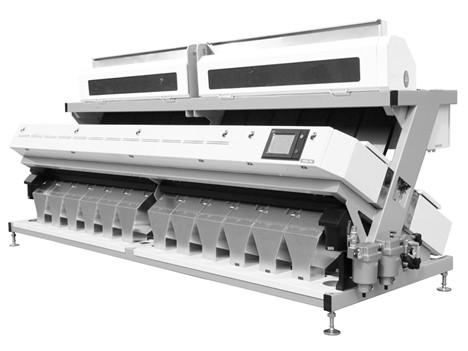
Grain Color Sorter: Enhancing Quality and Efficiency in Grain Processing
Introduction to Grain Color Sorter
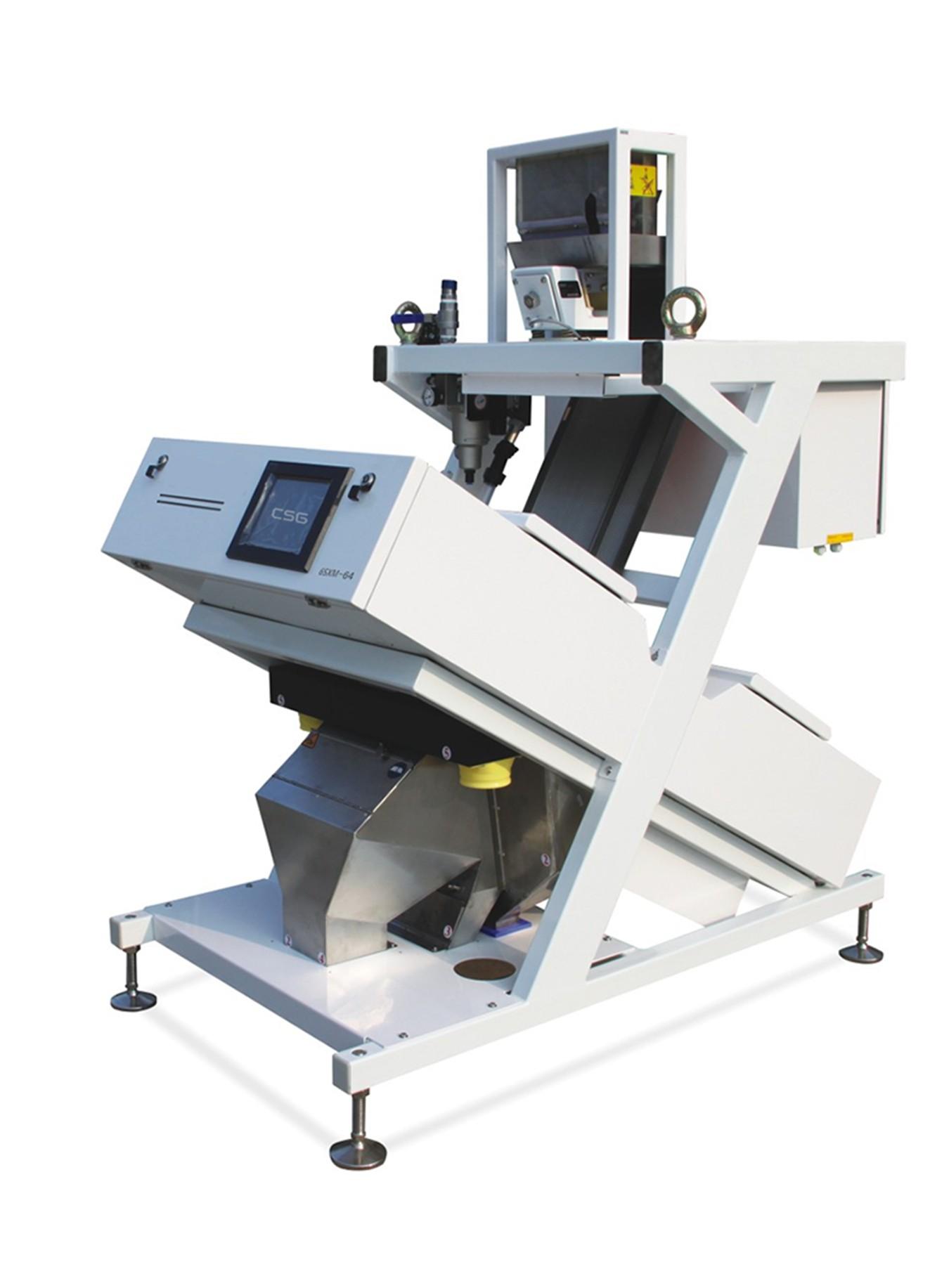
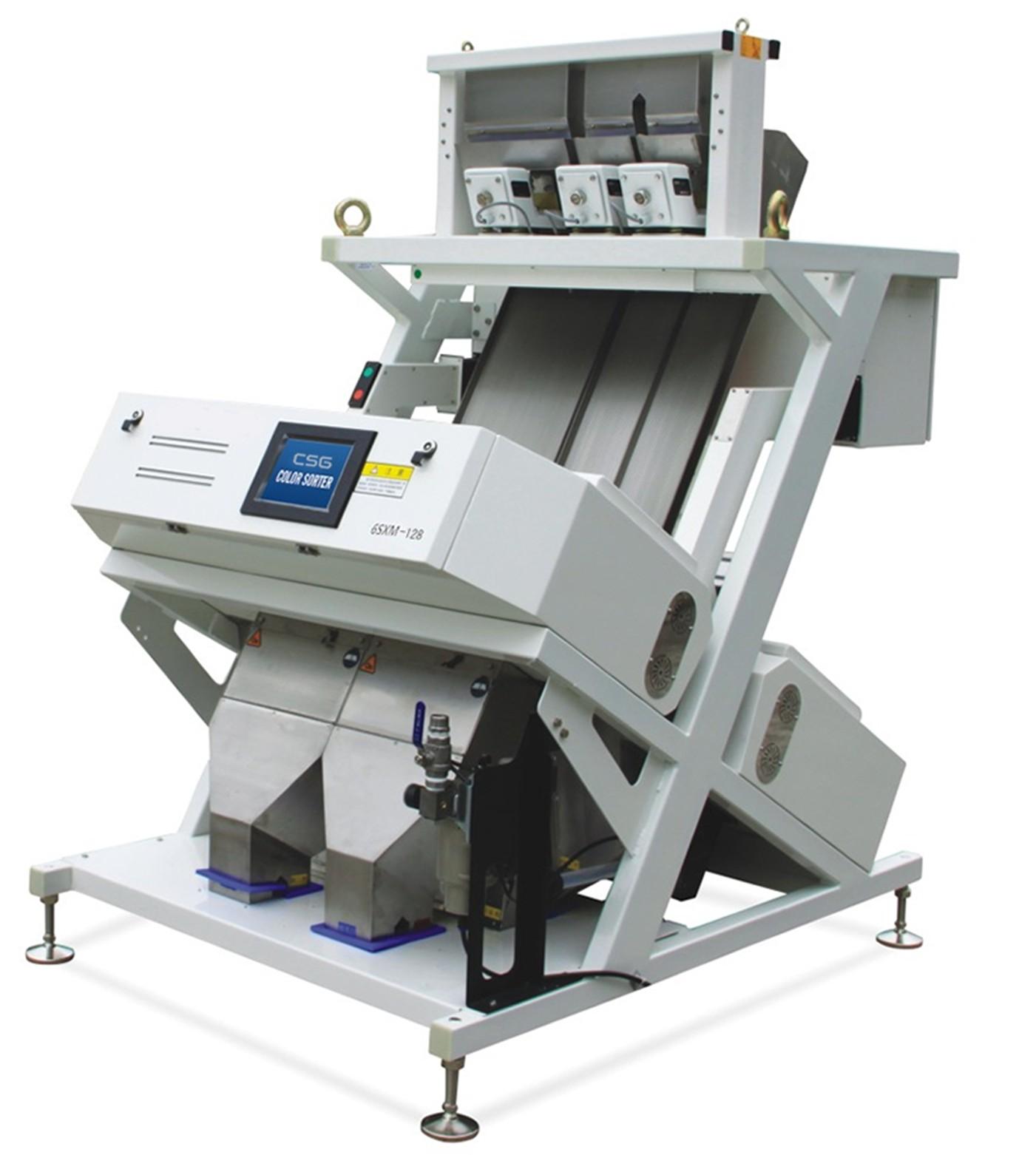
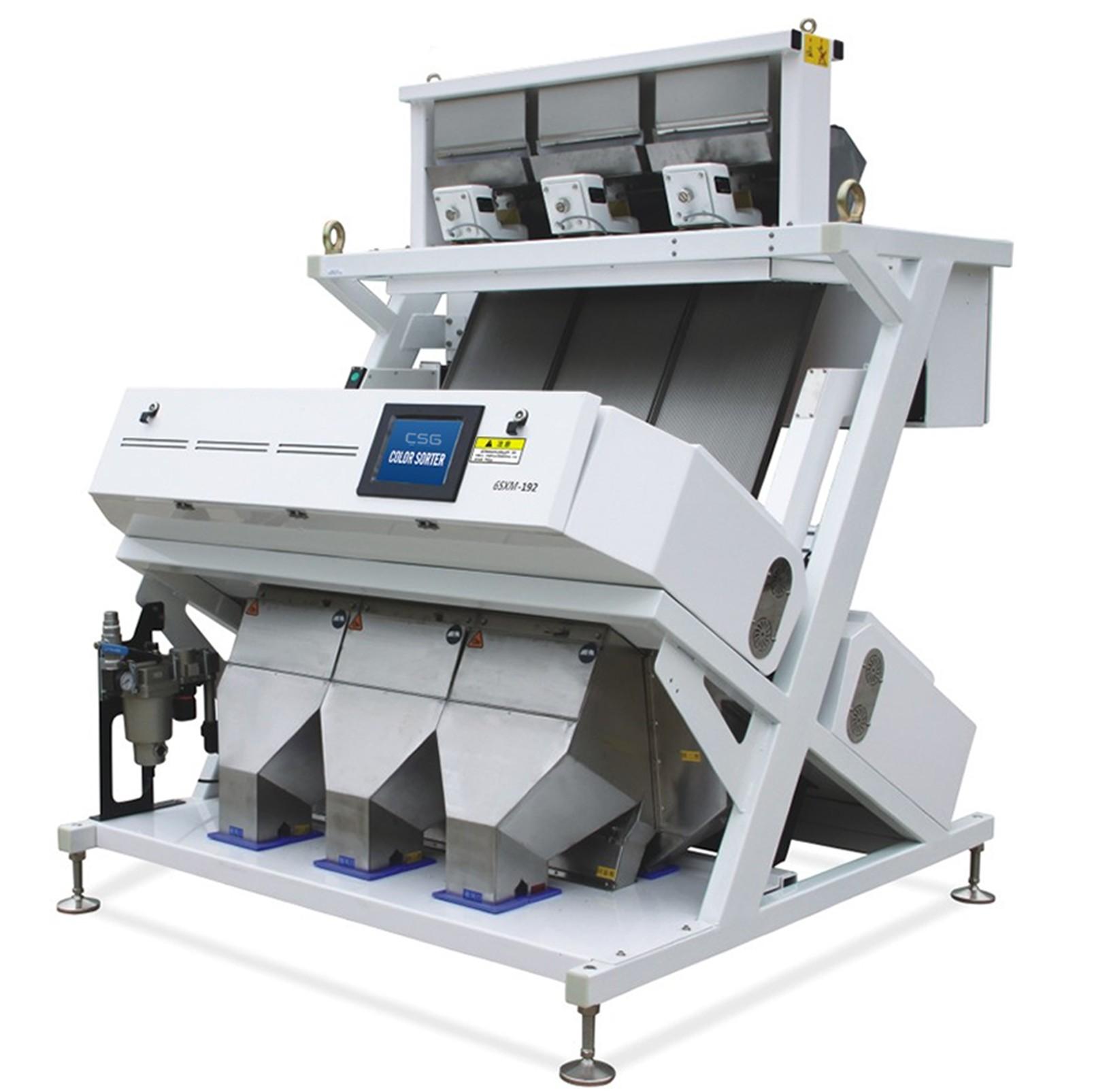
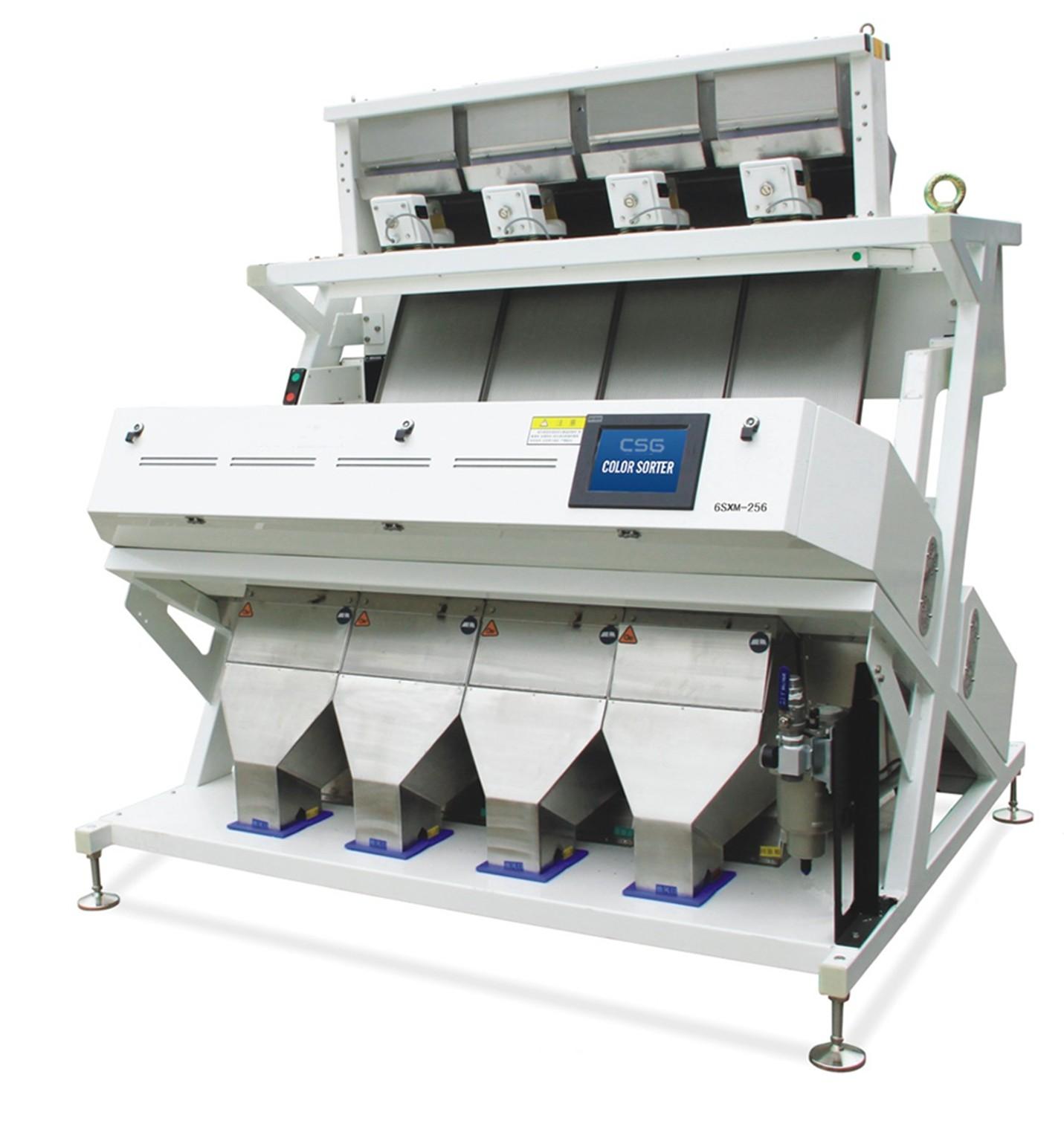
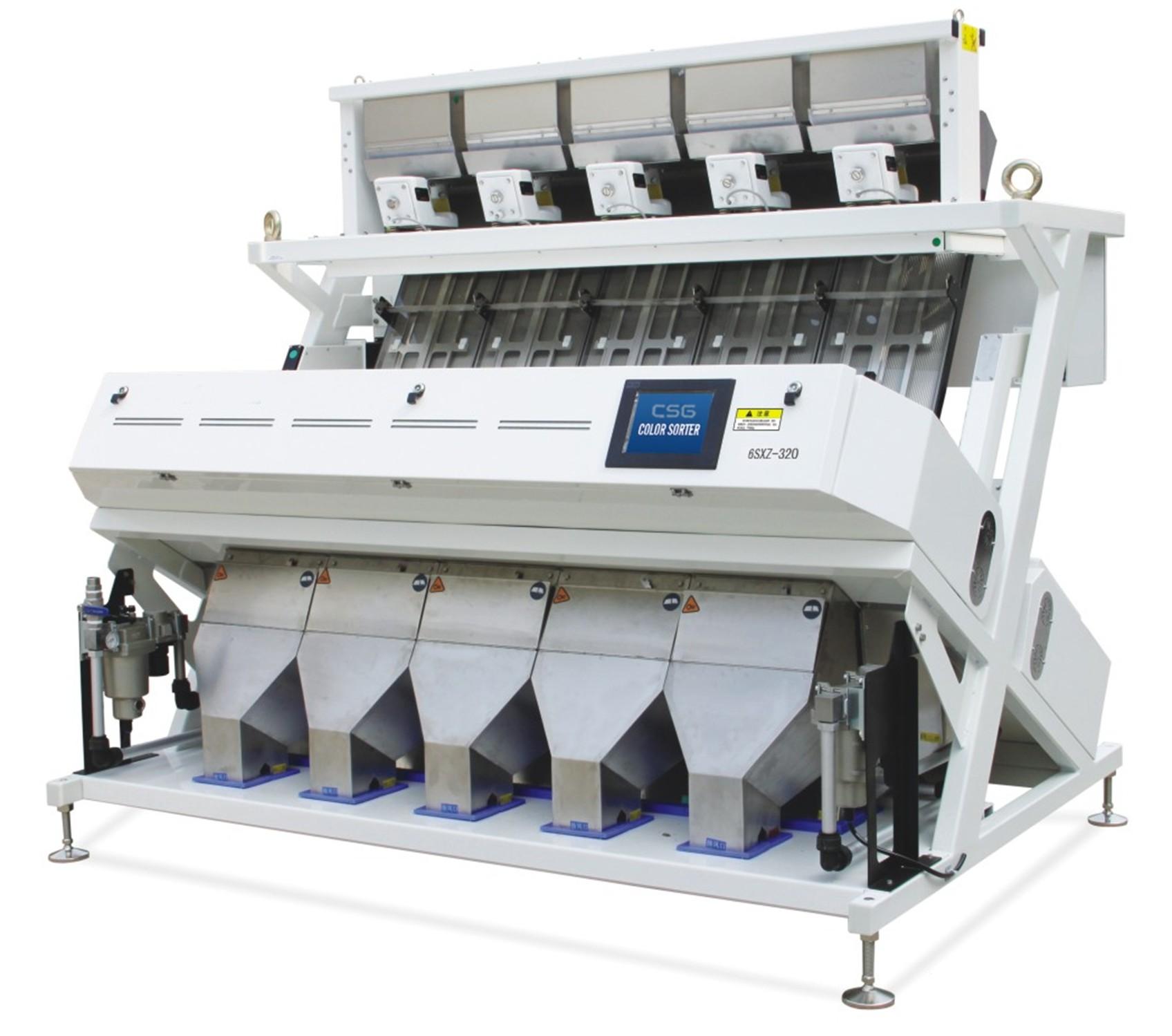
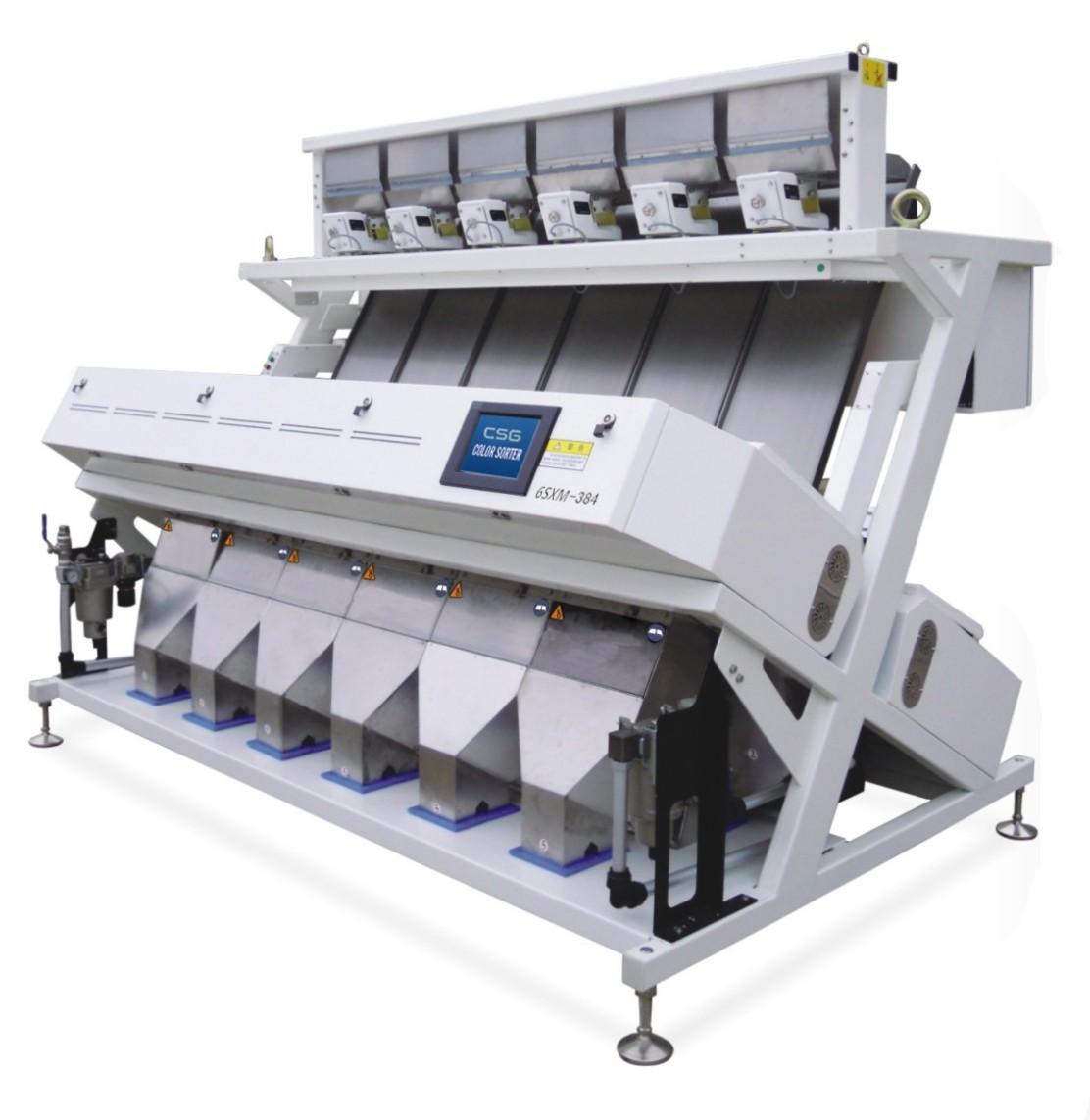
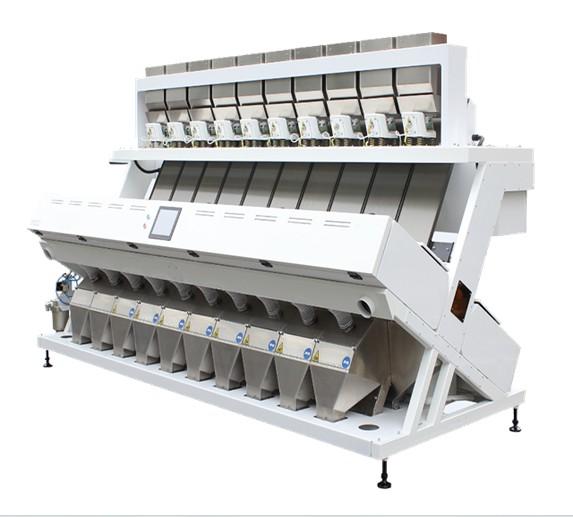
A grain color sorter is an advanced optical inspection machine designed to enhance the quality and efficiency of grain processing across various industries. It employs cutting-edge multispectral imaging technology combined with intelligent algorithms to sort grains based on subtle color variations, effectively removing impurities, foreign materials, and defective grains that compromise product quality and safety.
By integrating a grain color sorter into the processing line, grain producers can significantly improve the overall quality of their products while reducing waste and increasing efficiency. The technology has become an essential component in modern grain handling facilities, enabling processors to meet increasingly stringent food safety regulations and consumer quality expectations across global markets.
How Does It Work?
Grain color sorters utilize high-resolution CCD or CMOS cameras and sophisticated image processing algorithms to detect subtle color differences in grains at high throughput speeds. As the grains pass through the machine in a controlled single-layer flow, multiple cameras capture detailed images of each individual grain from different viewing angles. The onboard processing system analyzes these images in real-time, comparing each grain against user-defined acceptance criteria to identify discolored, mold-affected, insect-damaged, or otherwise defective kernels as well as foreign materials.
Once a defective grain or foreign particle is identified, the sorter employs high-speed pneumatic ejection mechanisms to remove the unwanted material from the product stream with millisecond precision. This targeted removal ensures that only high-quality grains proceed further in the processing line while maintaining maximum throughput and minimal product loss.
Multi-Grain Defect Detection Capability
| Grain Type | Common Defects Detected | Min. Defect Size | Detection Rate | Recommended Sensor Configuration | Typical Throughput | Key Quality Standard |
|---|---|---|---|---|---|---|
| 🍚 Rice | Chalky grains · Yellowed kernels · Black tip · Paddy grains · Stones · Immature grains · Red rice | ≥ 0.04 mm | ≥ 99.5% | RGB + NIR · Front/Rear cameras | 2-10 t/h | ISO 7301 · Codex Stan 198 |
| 🌾 Wheat | Fusarium damage · Black point · Ergot · Foreign grains · Stones · Insect damage · Shriveled kernels | ≥ 0.05 mm | ≥ 99.3% | RGB + NIR · Multi-spectral | 3-12 t/h | USDA Grades · EU Reg. 1881/2006 |
| 🌽 Corn / Maize | Aflatoxin-affected · Broken kernels · Foreign material · Discolored grains · Cob fragments · Insect holes | ≥ 0.08 mm | ≥ 99.2% | RGB + NIR · UV fluorescence (optional) | 4-15 t/h | USDA Grades · FDA Aflatoxin Action Levels |
| 🫘 Beans & Pulses | Discolored beans · Insect damage · Mold stains · Foreign seeds · Stones · Split beans · Weather damage | ≥ 0.10 mm | ≥ 99.4% | RGB + Shape analysis · NIR for composition | 1-8 t/h | USDA Grades · Codex Stan 171 |
| 🌱 Seeds & Oilseeds | Off-color seeds · Immature seeds · Foreign crop seeds · Weed seeds · Inert matter · Damaged seeds | ≥ 0.06 mm | ≥ 99.6% | RGB + NIR · High-magnification optics | 0.5-5 t/h | ISTA · AOSA · OECD Seed Schemes |
| 🌾 Barley & Oats | Fusarium damage · Discolored hull · Foreign grains · Ergot · Stones · Thin grains · Sprouted kernels | ≥ 0.06 mm | ≥ 99.3% | RGB + NIR · Multi-angle cameras | 2-10 t/h | USDA Grades · EU Brewing Barley Standards |
Benefits of Using a Grain Color Sorter
By removing defective grains and impurities, grain color sorters ensure a higher quality end product, meeting stringent quality standards for domestic and export markets.
Automating the sorting process significantly enhances processing speed and efficiency, leading to higher throughput and reduced processing time compared to manual methods.
Minimizing the presence of defective grains reduces waste and maximizes yield, resulting in significant cost savings for grain producers across all crop types.
By eliminating impurities, foreign materials, and mycotoxin-carrying grains, grain color sorters contribute to the overall safety and hygiene of final grain products.
Grain Quality Grade Classification
| Grade | Designation | Max Defect Rate | Quality Characteristics | Typical Market Application | Price Position | Certifications |
|---|---|---|---|---|---|---|
| A | Export Premium | ≤ 0.5% | Bright uniform color · Zero visible mold · No foreign grains or seeds · Plump and well-formed kernels · High test weight | International export · Premium retail packaging · Specialty milling · Baby food ingredients |
Premium +10-25% |
Organic · Non-GMO · Fair Trade · Geographic Indication |
| B | Domestic Standard | ≤ 2.0% | Generally uniform color · Minor variation acceptable · Trace foreign matter within limits · Sound and wholesome kernels | Domestic retail · Food service · Institutional supply · Standard milling and processing |
Standard Market Price |
HACCP · GMP · National Grade Standards |
| C | Feed / Industrial | ≤ 5.0% | Noticeable discoloration accepted · Foreign grains present · Mixed sizes and varieties · May contain shriveled or damaged kernels | Animal feed manufacturing · Ethanol and biofuel production · Industrial starch extraction · Non-food applications |
Discounted -15-30% |
Feed Safety · GMP+ · FEMAS · UFAS |
Applications
Grain color sorters find applications across virtually all segments of the grain processing industry, serving as critical quality control infrastructure from initial receiving through final packaging. The versatility of modern optical sorting platforms allows a single machine to handle multiple grain types with simple recipe changes, providing processors with the flexibility to serve diverse markets.
They are indispensable equipment in grain processing facilities, ensuring the production of high-quality grain products for consumers worldwide. From small-scale specialty mills to multinational commodity traders, grain color sorters provide the consistent, verifiable quality assurance that modern supply chains demand.
Conclusion
Grain color sorters play a crucial role in modern grain processing, offering a range of benefits from improved quality and efficiency to waste reduction and enhanced food safety. By investing in this advanced technology, grain producers can elevate their production standards and meet the demands of discerning consumers in the global market. As food safety regulations continue to tighten and consumer expectations for visual quality increase, optical sorting technology will remain an essential investment for competitive grain processing operations of all scales.
Articles about Grain Sorting
Small Grains Color Sorter: Beans, Grains & Seeds Sorting for Premium Agricultural Products
Discover how small grains color sorters revolutionize the processing of beans, grains, and seeds. Learn core technology, types, functions, and ROI for achieving premium quality.
Articles about Grain Sorting
The Precision Separation of Green and Brown Hulled Buckwheat: A Technical Exploration of Color Sorting
A technical exploration of how modern optical color sorters accurately distinguish and separate green hulled grains from brown hulled grains in buckwheat processing, covering optical sensing, image...
Articles about Grain Sorting
How Advanced Color Sorting Technology Transforms Wheat into Premium Quality Flour
Discover how advanced wheat color sorting technology enhances flour quality through contaminant removal, protein improvement, and functional optimization for superior baking results and extended shelf...