Food Color Sorter: Optimizing Quality and Efficiency in Food Processing
Introduction to Food Color Sorter
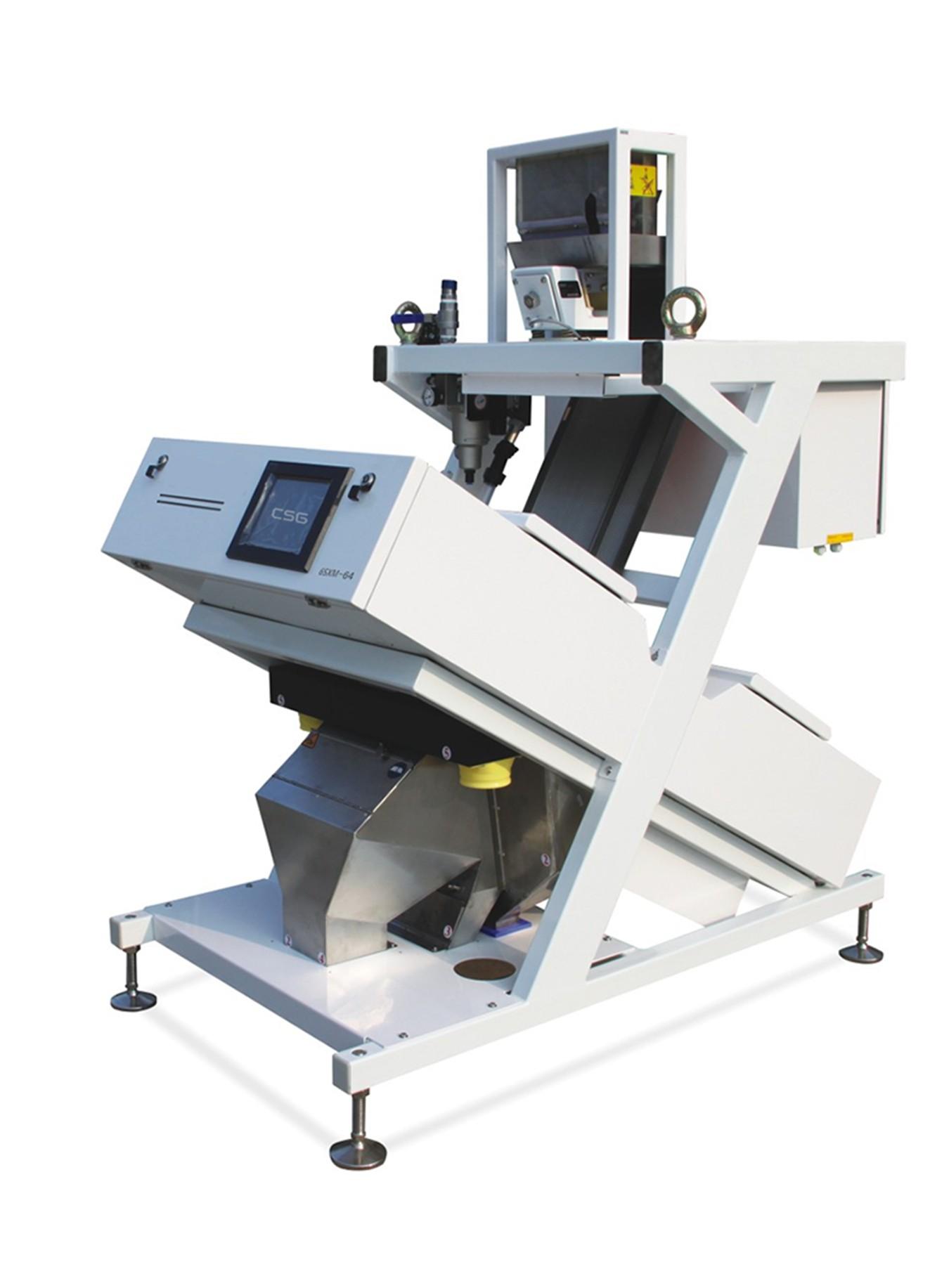
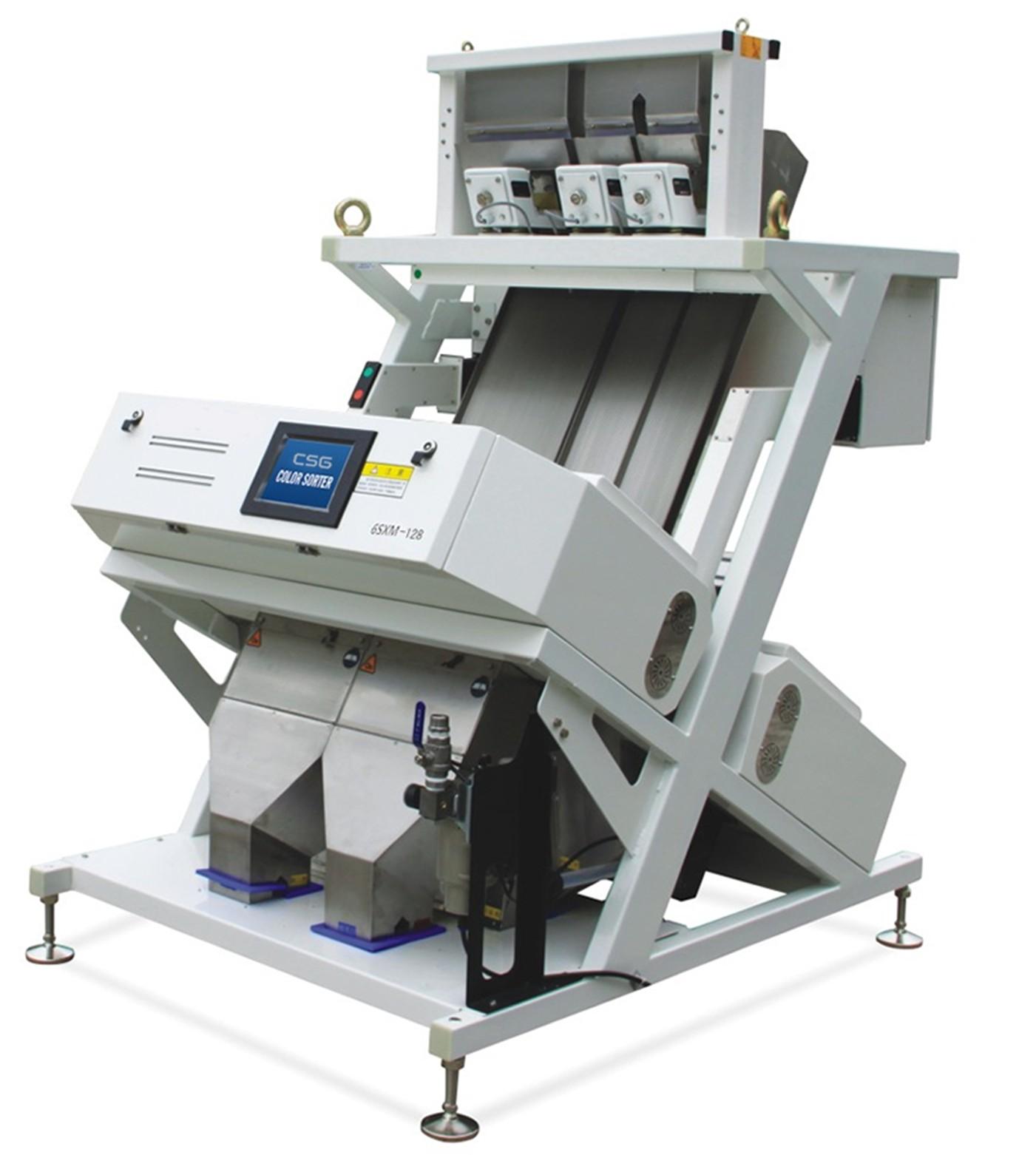
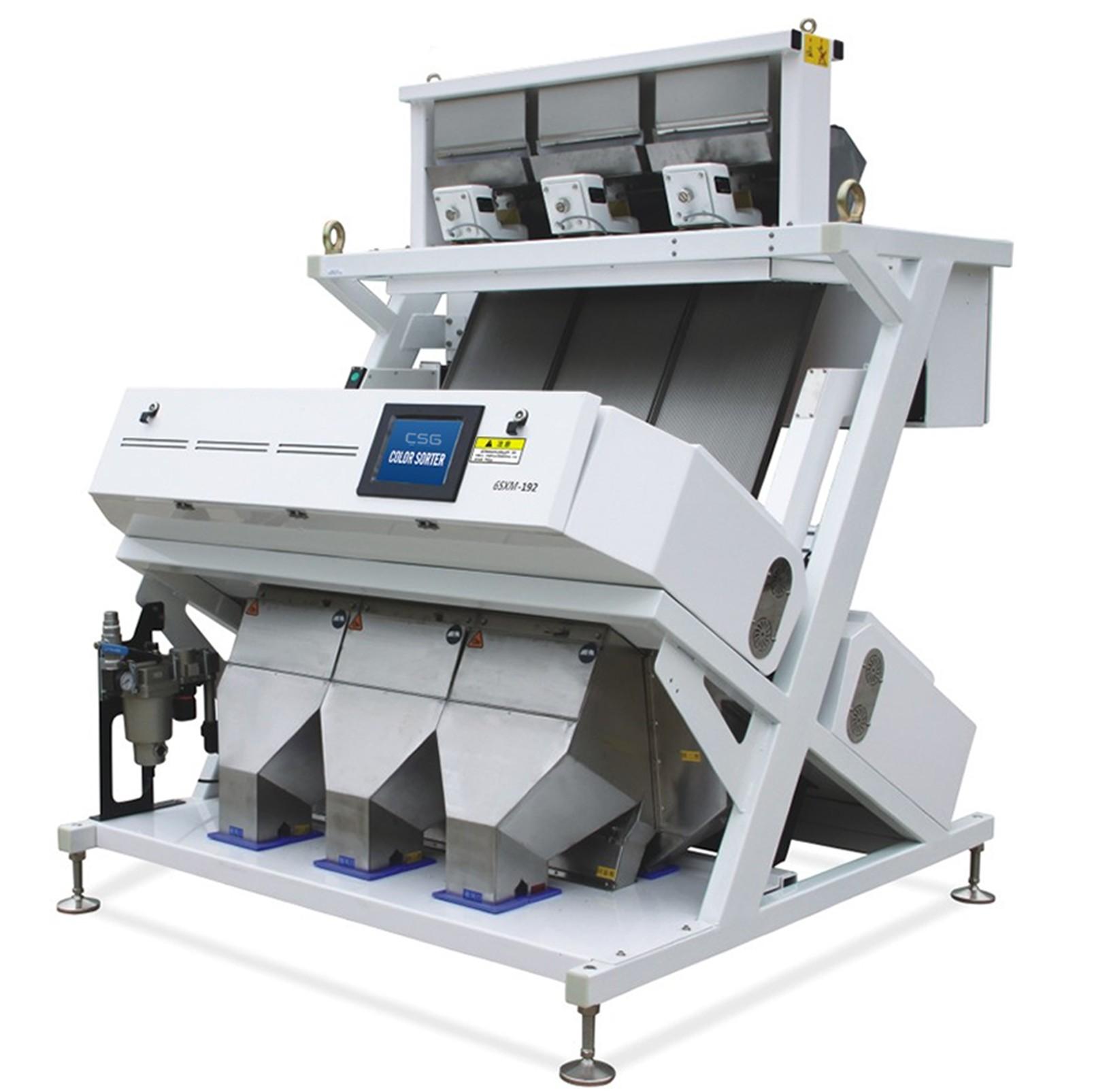
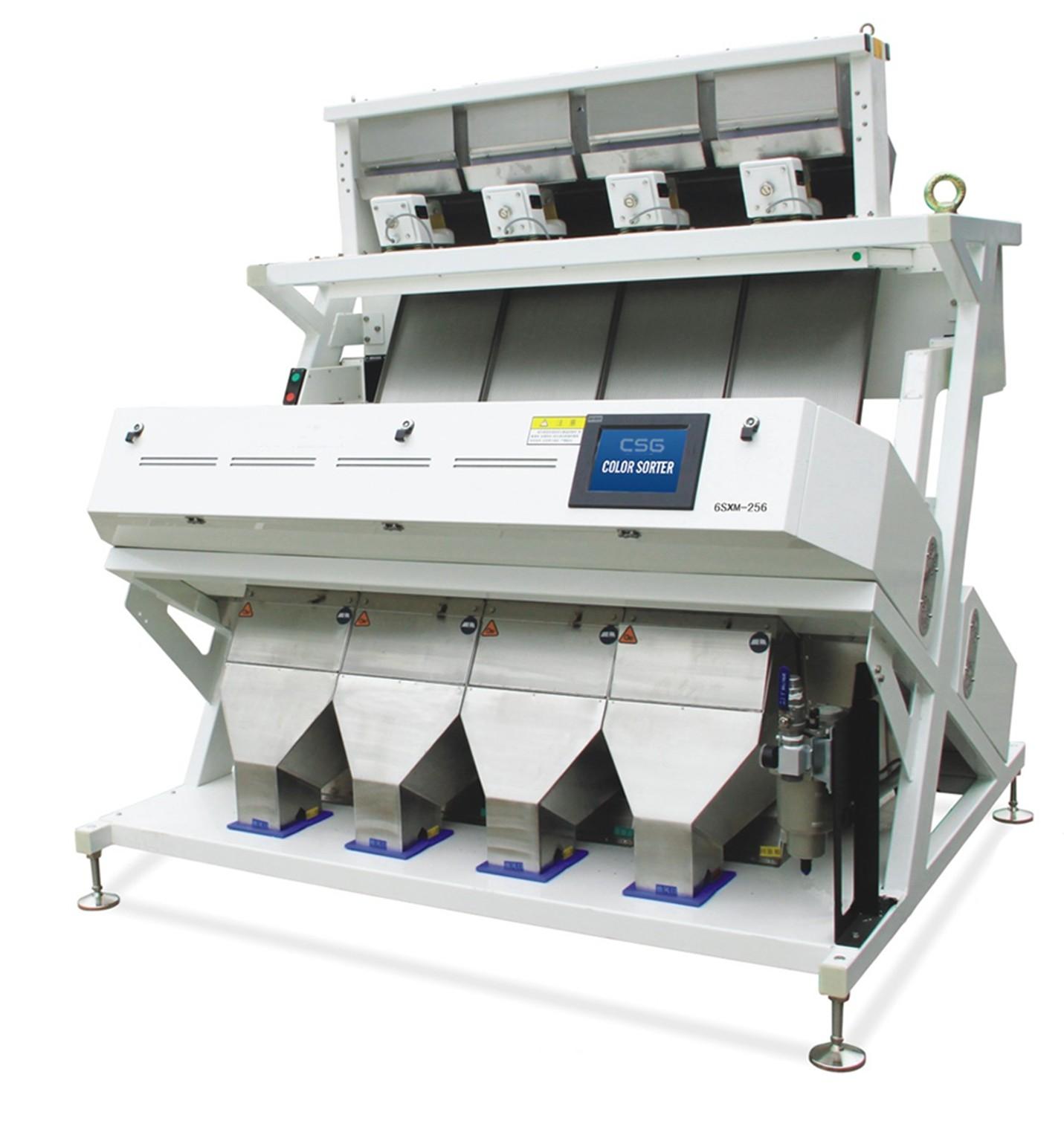
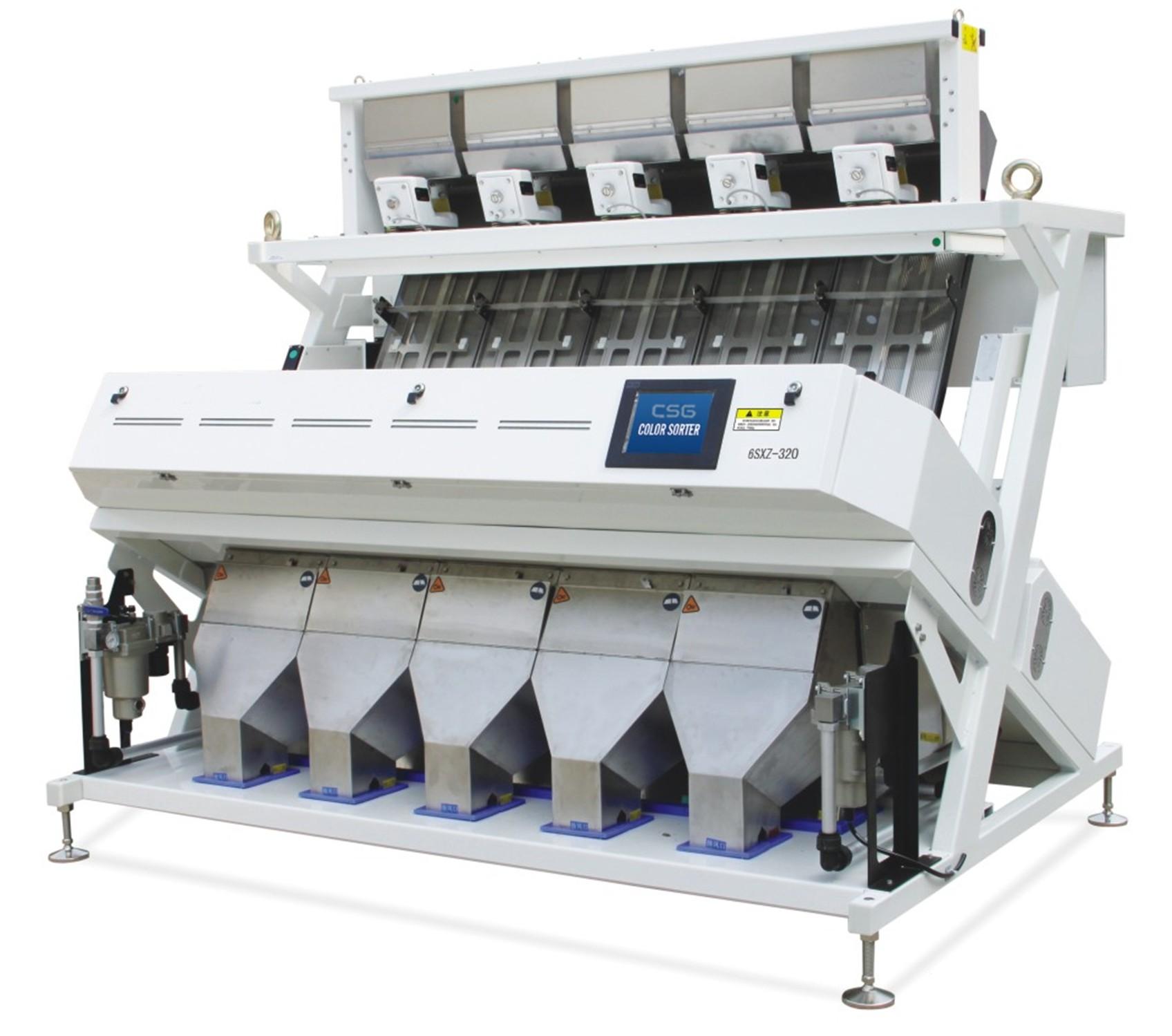
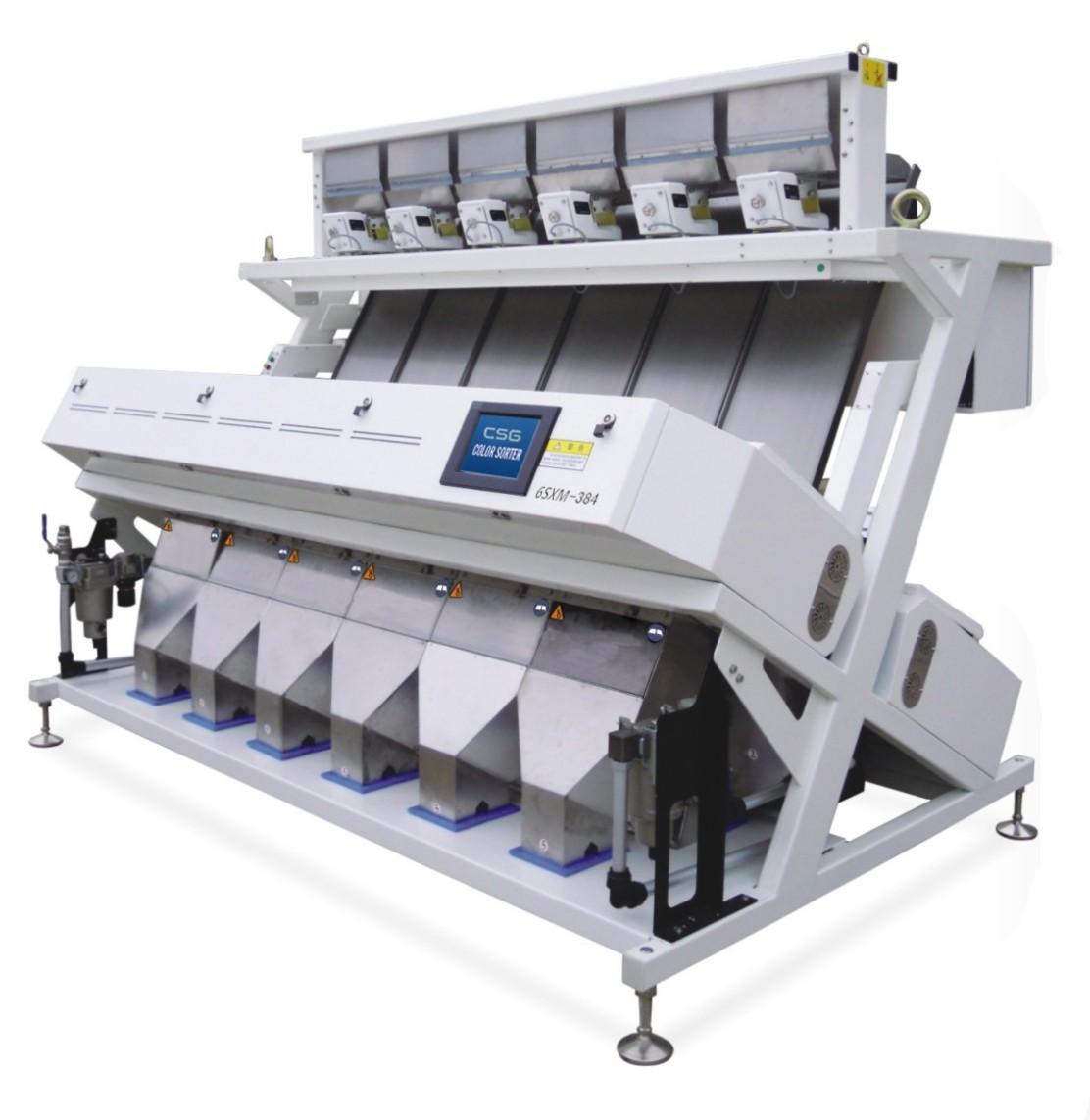
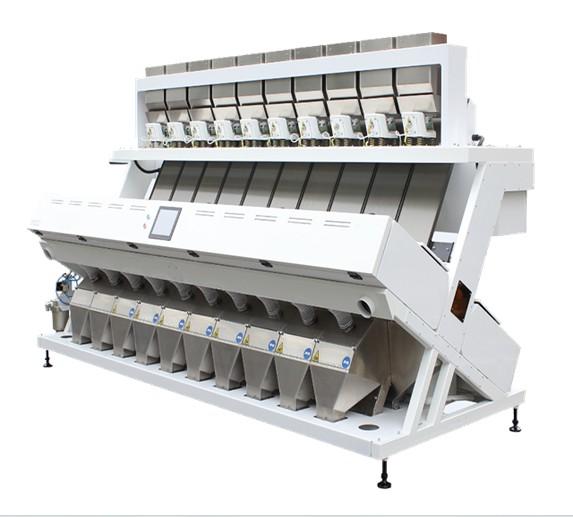
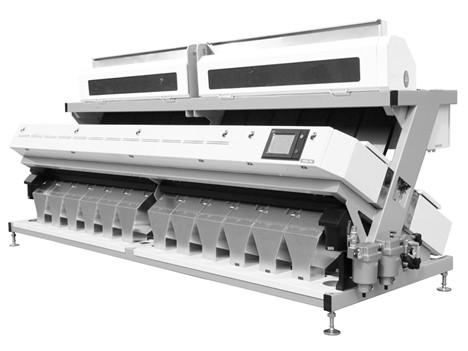
A food color sorter is an advanced optical inspection machine designed to enhance the quality and efficiency of food processing across various industries. It employs cutting-edge multispectral imaging technology combined with intelligent recognition algorithms to sort food products based on subtle color differences, effectively removing impurities, foreign materials, and defective items that compromise product quality and consumer safety.
By integrating a food color sorter into the processing line, food producers can significantly improve the overall quality of their products while reducing waste and increasing efficiency. The technology has become a cornerstone of modern food quality assurance, enabling processors to meet increasingly stringent regulatory requirements and consumer expectations for visually perfect food products.
How Does It Work?
Food color sorters utilize high-resolution CCD or CMOS cameras and sophisticated image processing algorithms to detect subtle color differences in food items at high production speeds. As the items pass through the machine in a controlled single-layer flow, multiple cameras capture detailed images of each individual piece from different viewing angles. The onboard processing system analyzes these images in real-time, comparing each item against user-defined acceptance criteria to identify discolored, damaged, or otherwise defective pieces as well as foreign materials.
Once a defective item or foreign particle is identified, the sorter employs high-speed pneumatic ejection mechanisms to remove the unwanted material from the product stream with millisecond precision. This targeted removal ensures that only high-quality food products proceed further in the processing line while maintaining maximum throughput and minimizing the loss of acceptable product.
Benefits of Using a Food Color Sorter
By removing defective items and impurities, food color sorters ensure a higher quality end product, meeting stringent quality standards for domestic and international markets.
Automating the sorting process significantly enhances processing speed and efficiency, leading to higher throughput and reduced processing time compared to manual inspection.
Minimizing the presence of defective items reduces waste and maximizes yield, resulting in significant cost savings for food producers across all product categories.
By eliminating impurities and foreign materials, food color sorters contribute to the overall safety and hygiene of final food products, supporting HACCP compliance.
Applications Across Food Processing Sectors
Food color sorters find applications across virtually every segment of the food processing industry, serving as critical quality control infrastructure from raw material receiving through final packaged product verification. The following table illustrates the breadth of applications and the specific sorting objectives for each food category.
| Food Category | Products Processed | Defects & Foreign Materials Removed | Typical Accuracy | Key Quality Benefit | Throughput Range |
|---|---|---|---|---|---|
| 🌾 Grains & Cereals | Rice · Wheat · Corn · Barley · Oats · Millet · Sorghum · Quinoa | Discolored kernels · Mold-damaged grains · Ergot · Foreign seeds · Stones · Insect-damaged grains · Chalky kernels | ≥ 99.5% | Grade standardization · Mycotoxin risk reduction · Export specification compliance | 2-15 t/h |
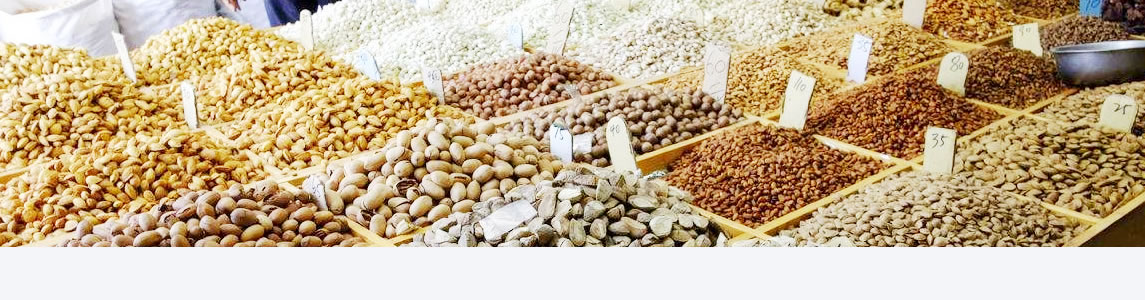
| 🥜 Nuts & Seeds | Almonds · Cashews · Walnuts · Sunflower seeds · Pumpkin seeds · Peanuts · Pistachios | Shell fragments · Discolored kernels · Mold · Insect damage · Foreign material · Shriveled nuts · Rancidity indicators | ≥ 99.3% | Aflatoxin prevention · Premium grade separation · Customer specification compliance | 1-8 t/h |
| 🫘 Legumes & Pulses | Lentils · Chickpeas · Beans · Peas · Soybeans · Mung beans · Fava beans | Discolored pulses · Insect holes · Weather staining · Foreign seeds · Stones · Split beans · Mold spots | ≥ 99.4% | Visual quality for retail · Canning grade compliance · Export market acceptance | 1-8 t/h |
| 🍓 Dried Fruits & Vegetables | Raisins · Dried cranberries · Dried apricots · Sun-dried tomatoes · Dried mango · Dried apple · Freeze-dried vegetables | Mold · Discoloration · Stem fragments · Foreign botanical matter · Stones · Insect damage · Sugar crystallization | ≥ 99.0% | Retail appearance · Mold prevention in storage · Premium grade recovery | 0.5-5 t/h |
| 🐟 Seafood | Shrimp · Fish fillets · Scallops · Squid rings · Crab meat · Surimi products | Melanosis · Shell fragments · Parasites · Blood spots · Foreign material · Discolored portions · Bone fragments | ≥ 99.2% | Food safety compliance · Premium grade sushi/sashimi · Consumer visual appeal | 0.5-4 t/h |
| 🌿 Spices & Herbs | Black pepper · Cumin · Coriander · Chili flakes · Dried herbs · Turmeric · Paprika · Cinnamon | Stems · Stalks · Foreign seeds · Stones · Mold · Insect fragments · Discolored spices · Extraneous vegetable matter | ≥ 99.6% | ASTA color compliance · Microbial load reduction · Export grade purity | 0.5-4 t/h |
| 🍵 Tea & Coffee | Tea leaves · Green coffee beans · Roasted coffee · Herbal tea ingredients · Matcha · Tea bag cut | Stems · Stalks · Discolored leaves · Foreign matter · Under/over-roasted beans · Quakers · Shell fragments | ≥ 99.5% | Specialty grade designation · Flavor consistency · Premium market positioning | 0.5-6 t/h |
Food Quality Grade Standards
Conclusion
Food color sorters play a crucial role in modern food processing, offering a range of benefits from improved quality and efficiency to waste reduction and enhanced food safety. By investing in this advanced technology, food producers can elevate their production standards and meet the demands of discerning consumers in the global market. As regulatory requirements continue to tighten and consumer expectations for visual quality and safety increase, optical sorting technology will remain an essential component of competitive food processing operations worldwide.
Articles about Food Sorting
Common Failures of Grain Color Sorters and Rapid Troubleshooting – A Practical Guide for Operators
Learn to diagnose and fix frequent grain color sorter problems including optical, pneumatic, and electrical failures. Step‑by‑step guide with field data, maintenance tips, and rapid troubleshooting...
Articles about Food Sorting
The Critical Role of Color Sorters in Achieving Perfect Cereal Texture: A Focus on Immature Oat Grain Removal
Explore how advanced food color sorting technology identifies and removes immature oat grains, ensuring superior texture consistency in breakfast cereals. Learn about the process, benefits, and...
Articles about Food Sorting
Advanced Aflatoxin Detection in Peanuts Using Specialized Color Sorting Technology
Explore how special recognition technology in peanut color sorters effectively detects and removes aflatoxin contamination, enhancing food safety and processing efficiency. Learn about core mechanisms...